Tulum: what to do, where to stay, how to get there, and when to go
Tulum: see what to do, where to stay, and how to get around to plan your itinerary with beaches, ruins, cenotes, and useful tours.
Where Tulum is and how the destination is organized
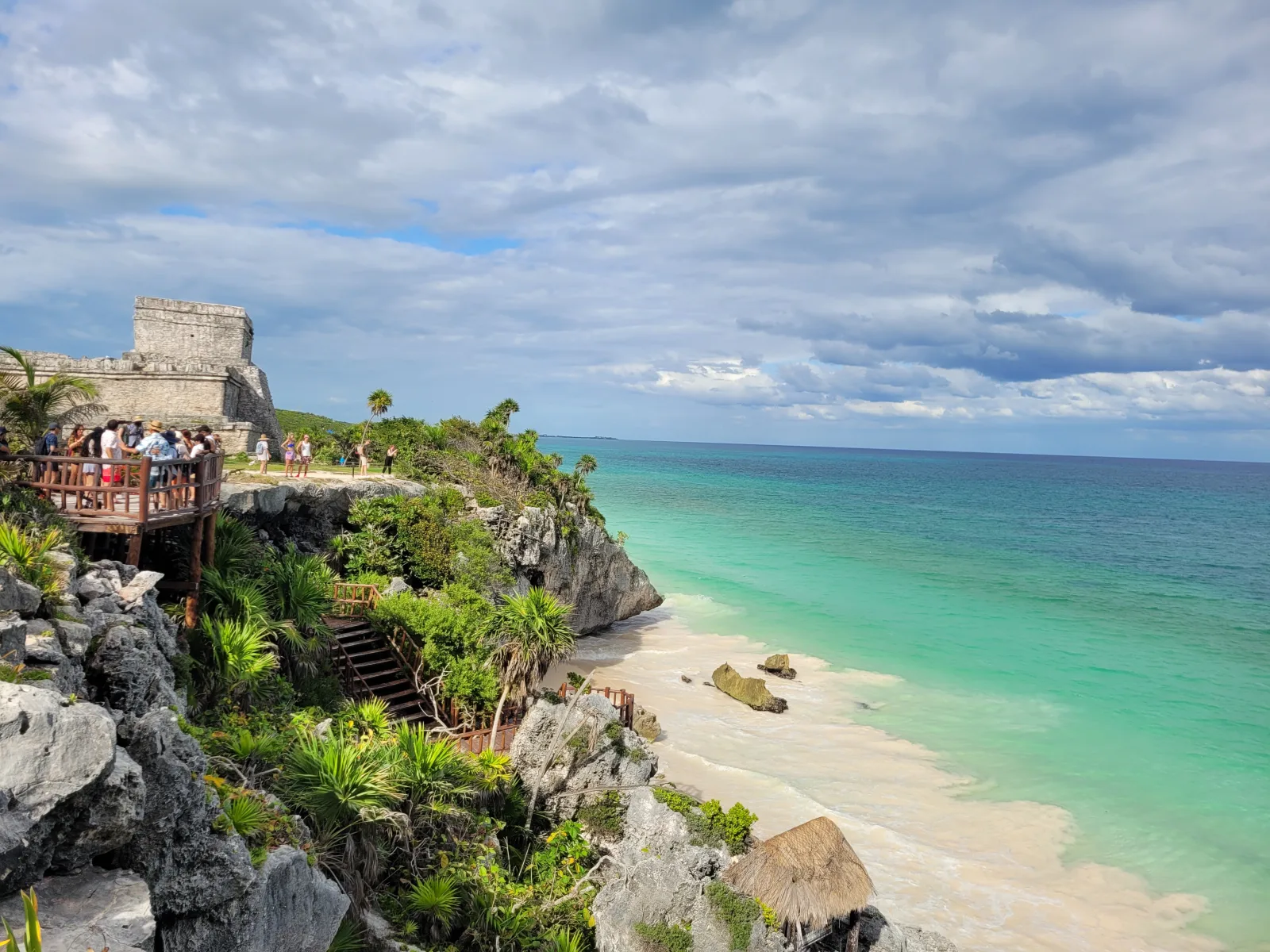
Tulum is located on the east coast of Mexico, in the state of Quintana Roo, between Cancún and Playa del Carmen. The city is about 130 km from Cancún, 64 km from Playa del Carmen, and approximately 1,500 km from Mexico City. In practice, this helps explain why Tulum is often included in itineraries along with other stops on the Riviera Maya.
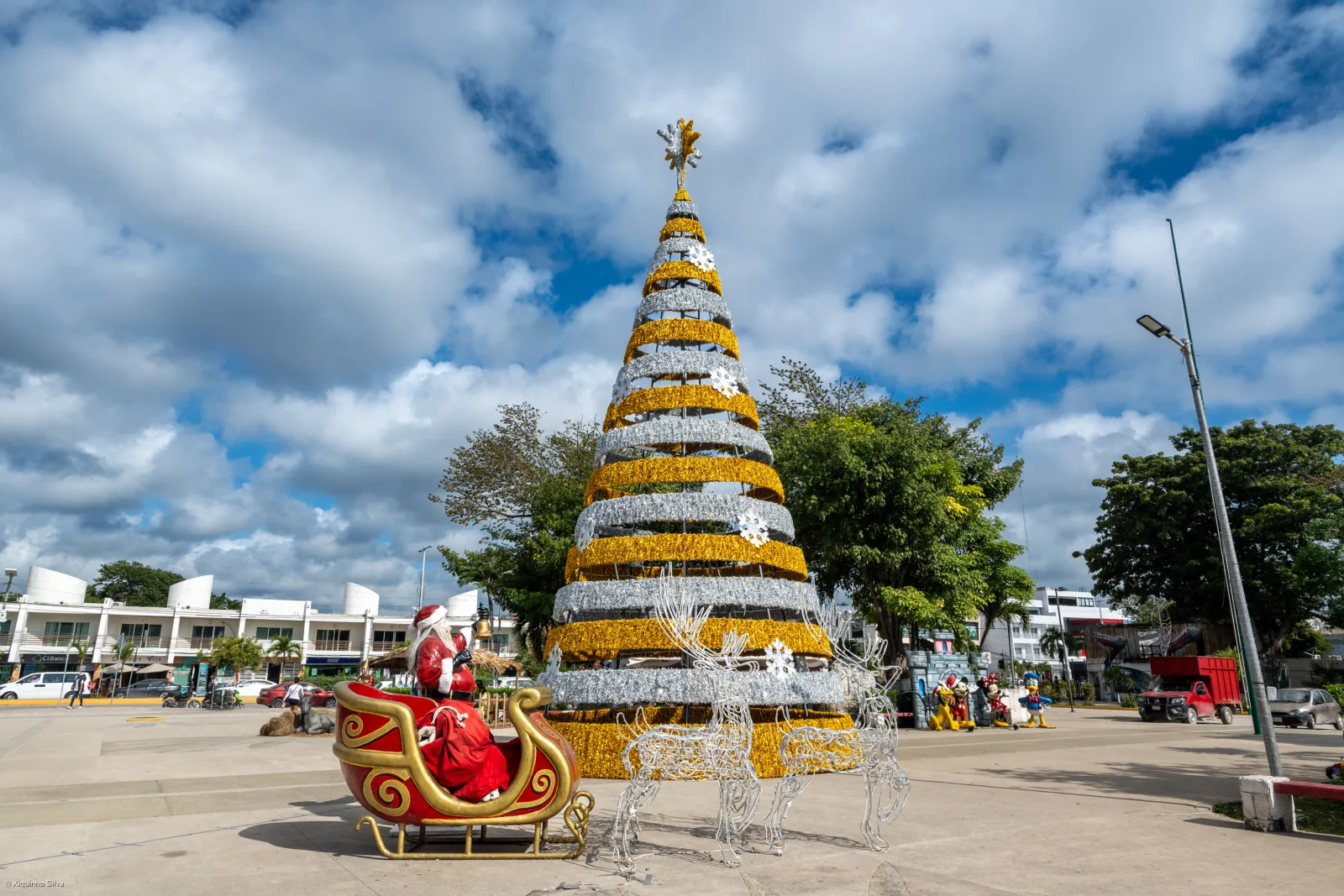
The destination is divided into two areas that work very differently. Tulum Pueblo is the urban center, where local residents live and where daily life is more typical, with shops, services, and more basic accommodations. The coastal strip, on the other hand, concentrates the hotel and tourist zone, spread along the Carretera Tulum-Boca Paila, where most of the hotels and restaurants geared toward visitors are located.
This layout affects the experience of those staying there. Staying in the town tends to make life easier for those who want to handle everything more conveniently away from the beach. On the seafront, the idea is different: more direct access to the sea, short distances between hotels and beach clubs, and a more spread-out environment, with low-rise buildings and less heavy urbanization than in other destinations in the region.
Tulum has a calmer and less crowded pace than neighboring places like Cancún, and this is reflected in the city’s design. The streets, the beach, and the lodging areas are not concentrated in a single core; they are spread out, which requires a bit more planning when choosing where to stay and how to get around between the center and the coast.
Mayan ruins and archaeological sites worth visiting
The archaeological site of Tulum sits on the cliff facing the sea and was a strategic point for movement and observation during the Mayan period. The visit makes more sense when you set aside time to walk calmly among the structures and understand the whole site, rather than treating it as a quick photo stop. The setting helps, but the value of the tour lies in what the ruins reveal about the walled city and its role on the coast.
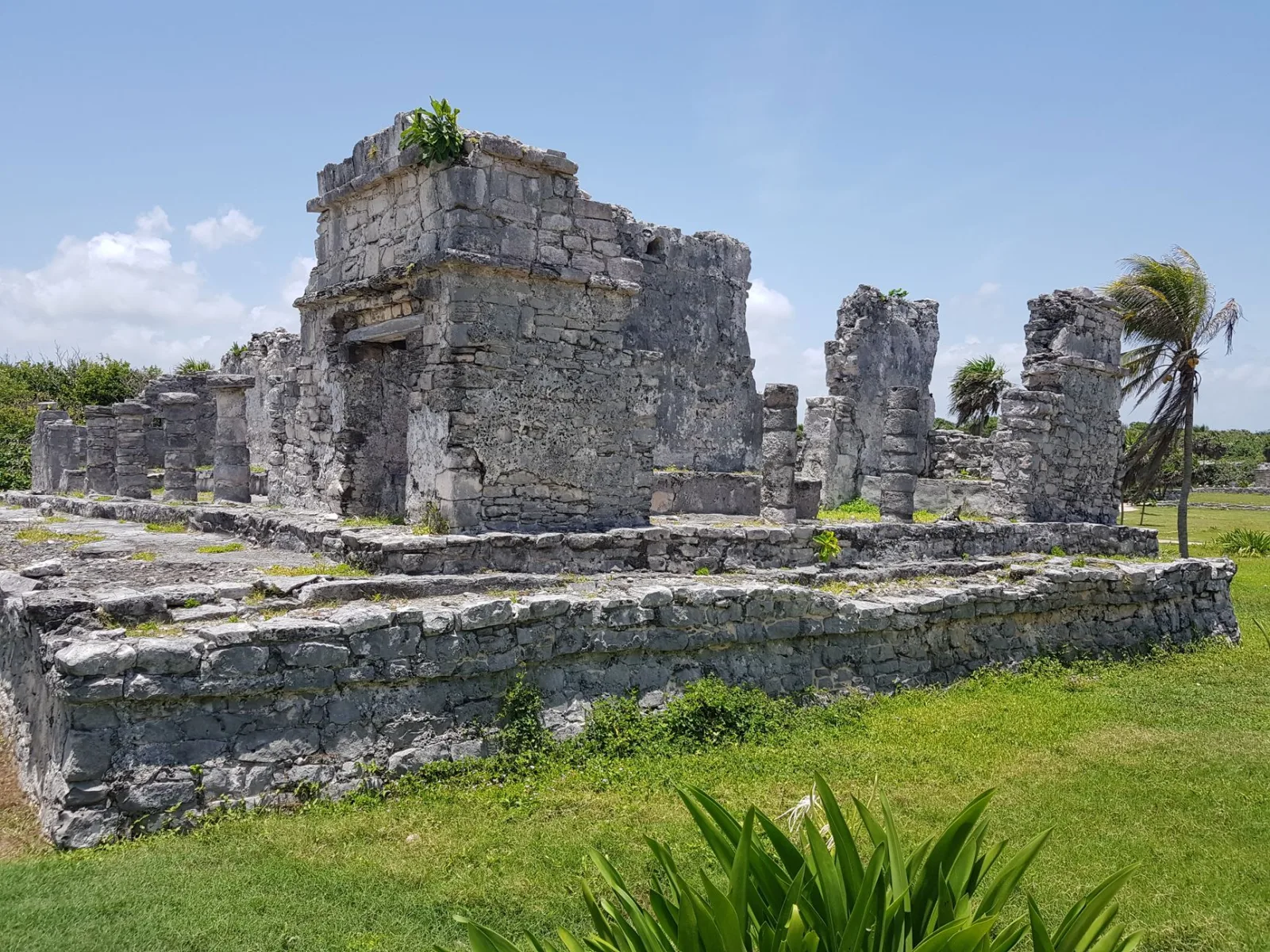
Among the buildings, El Castillo stands out for occupying one of the ends of the site. It served as a navigation beacon and astronomical observation point, which explains why its location is so striking within the complex. With a guide, the site becomes much easier to understand: you better grasp the layout of the buildings, their relationship with the coastline, and the everyday use of the space by the Mayans.
If there is time to extend the itinerary, Chichén Itzá and Cobá help broaden the picture without repeating the Tulum experience. Chichén Itzá has very well-preserved structures and is known for the mathematical, architectural, and astronomical precision of the complex, in addition to the main pyramid. Cobá, in turn, has a more spread-out atmosphere, with buildings amid the vegetation, and stands out for allowing bicycle visits along part of the route.
The choice between them depends on the type of archaeological site you want to see. Tulum combines ruins and sea; Chichén Itzá offers the most famous and most studied complex; Cobá is the option with a more dispersed route, with a forest feel and independent movement within the site.
Editorial transparency: Some links on this page are affiliate links. We may earn a commission at no extra cost to you. This does not influence our recommendations.
Beaches, beach clubs, and what to expect from the sea in Tulum
The beaches in Tulum have a rhythm of their own: along much of the coastline, access to the sea goes through beach clubs or hotel and private property areas. Truly public stretches are few, so it helps to think of the beach more as a day at a beach club than as an open, continuous waterfront.
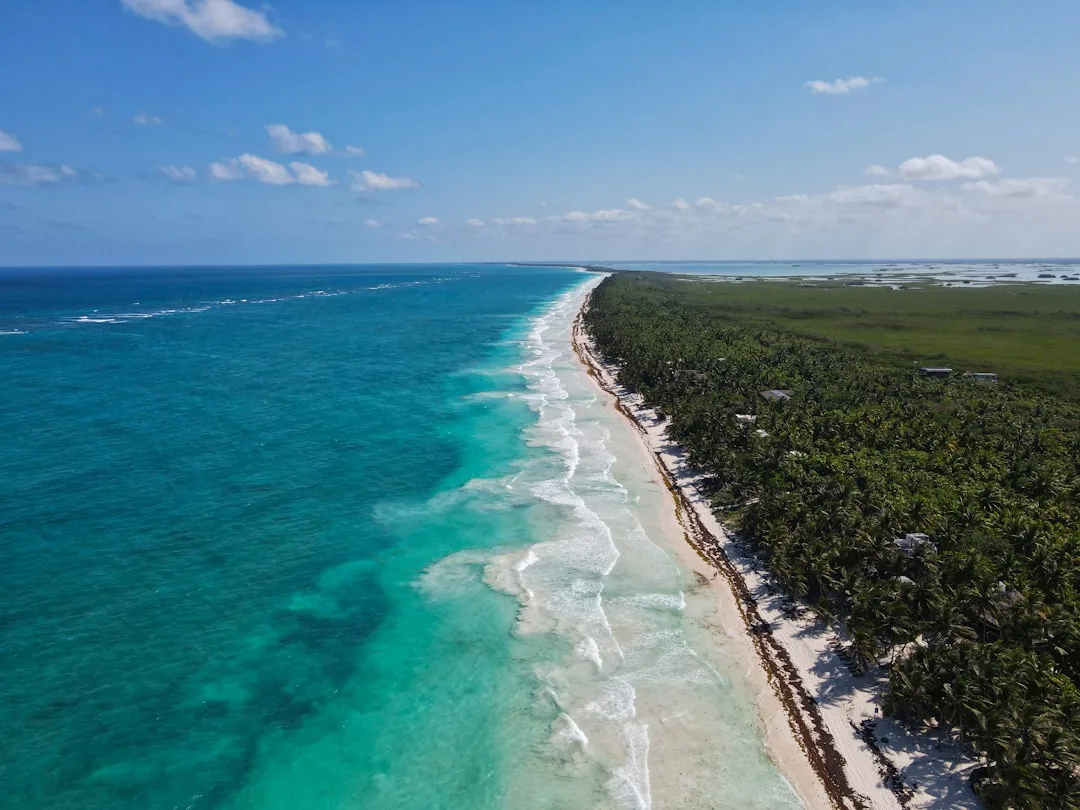
These clubs usually cover the basics for a beach day: access to the sea, loungers, food, drinks, and, in some cases, a pool. It’s the infrastructure that makes the difference in a destination where you don’t always just arrive, sit down, and claim a patch of sand on your own. Among the most sought-after names are Ahau Tulum, Taboo Tulum, and Ziggy’s Beach. The best criterion for choosing is simple: see whether you want a more low-key atmosphere, a table for lunch, or a beach area with service throughout the day, because the experience varies quite a bit from place to place.
The sea in Tulum also depends on a variable beyond the control of any visitor: sargassum. When it appears in larger amounts, the water loses its clarity and swimming becomes less pleasant, in addition to requiring more maintenance on the sandy stretches. This can change from one week to the next, so the ideal beach photo doesn’t always match the day of your trip.
If your intention is to spend the day at the beach, check the current situation before leaving the hotel and choose the beach club based on the service it offers, not just its reputation. In Tulum, that decision matters more than in destinations with open and uniform access to the waterfront.
Cenotes to include in the itinerary
Gran Cenote, near Tulum Pueblo, is one of the most sought-after in the region because it combines a cave section with an open area. The water usually has that turquoise blue that catches your eye as soon as you arrive, and the main draw there is the chance to swim and snorkel in the same place. It works best for those who want a first cenote experience without complications, but it also suffers the most from crowds, so it’s worth going early if the idea is to avoid overcrowding.
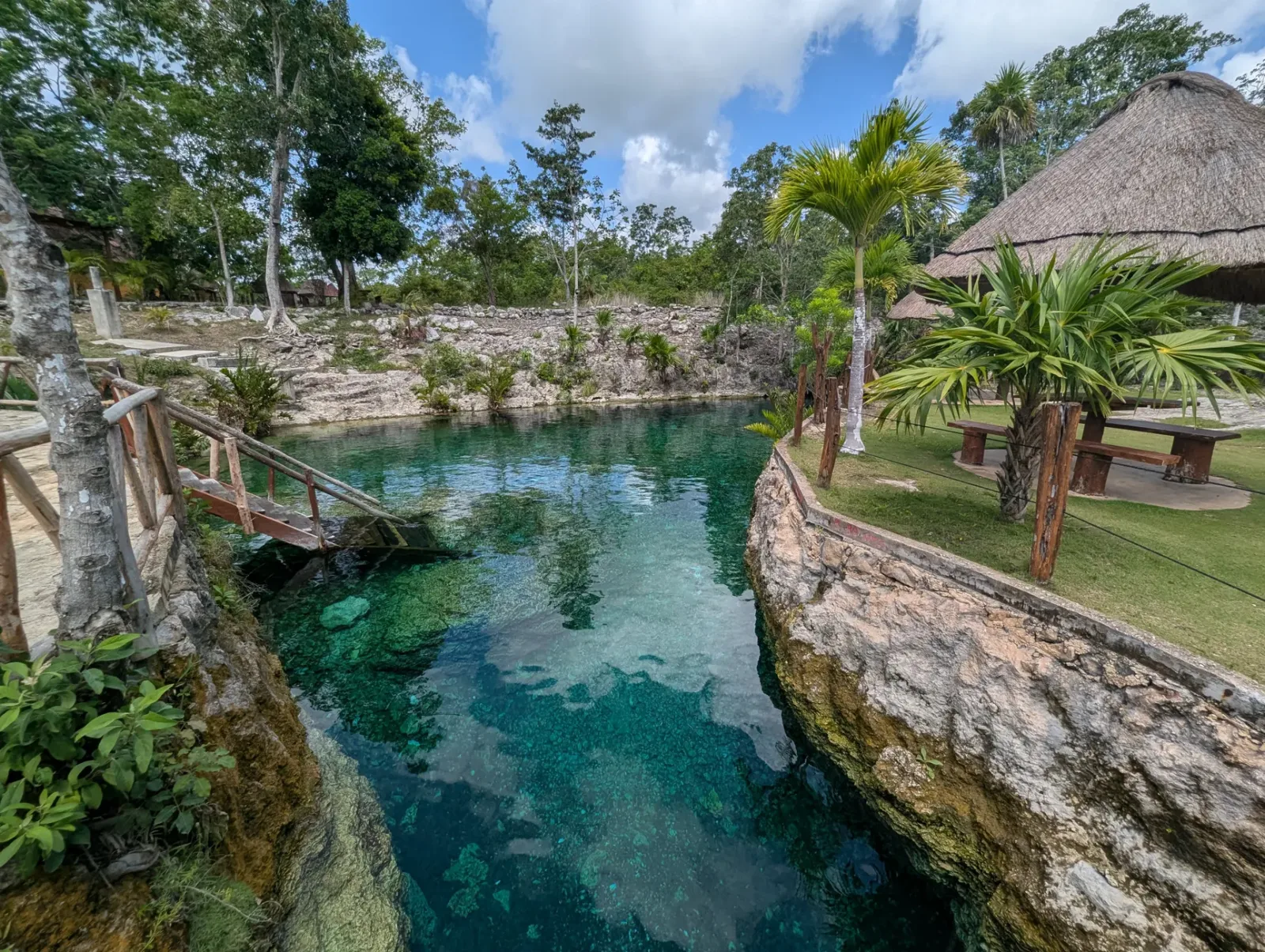
Cenote Dos Ojos has two caverns inside caves, with clear water and a more enclosed atmosphere. It’s a good spot for those who want snorkeling or diving, because the natural structure favors this type of visit. Since it’s surrounded by trees and rest areas, the experience tends to be calmer than in cenotes very close to the city. If the day is overcast, it’s still a good choice.
Cenotes Casa Tortuga brings together four cenotes on the same property, with cave sections, semi-open areas, and open-air parts. The tour is usually guided, which helps you understand the difference between each formation without wasting time trying to find your way around on your own. It’s a practical option for those who want to see more than one type of cenote in a single visit, with life jackets and masks available on site.
Xenotes follows a different logic: it’s an organized tour with four cenotes of different profiles, including cave, semi-open, and open, as well as activities like ziplining and jumping into the water. As part of the Xcaret group, it tends to appeal to those who prefer everything more structured, with the day planned from start to finish. Meanwhile, Cenote Ik-Kil is located in a deep sinkhole, with an open-air section and access via a staircase between the rocks; it is the most photogenic of the group and usually makes more sense for those who value scenery and good facilities over silence.
Sian Ka’an Reserve and water parks in the region
Sian Ka’an works best for those who want to get away from the more frequented Tulum area and spend the day in a natural setting. The reserve combines mangroves, lagoons, wildlife, and stretches of coastline, where the tour usually includes boat rides and snorkeling. Since the experience depends on the type of tour booked, it’s worth checking in advance whether the excursion includes animal watching, a swimming stop, and time in open water or in more sheltered areas.

Xel-Há is the most straightforward option for those who want an organized day, with facilities and activities concentrated in one place. The park offers snorkeling, zip lines, and water slides, so it works well for families with children or for those who prefer not to plan the day on their own. If the idea is to stay in one place and have everything sorted there, it tends to be the easiest to fit into the itinerary.
Xcaret and X-Plor are alternatives for different profiles. Xcaret usually works better for those who want a large park, with a full-day program and more variety of activities. X-Plor makes more sense if the priority is adventure, with a focus on more physical circuits. In all cases, check the official website to see what is included in the ticket, because this type of park frequently changes packages, hours, and restrictions.
Where to stay in Tulum
Staying in Tulum Pueblo usually works best for those who want to handle logistics more easily and pay less. That is where the daily activity happens, with simpler accommodations, small hotels, and more direct access to shops and services. Meanwhile, the hotel zone/coastline suits those who want to sleep closer to the beach and accept a more spread-out stay, with longer transfers from one point to another.

The accommodation pattern in Tulum differs from the large concrete-filled resorts. The city has many boutique hotels, inns, and smaller lodgings, with a more intimate feel and a less vertical structure. This shows up both in budget options and in higher-end ranges, so what changes less is the city’s overall style and more the level of comfort, privacy, and distance from the sea.
Among the best-known names, Azulik Tulum follows a very specific concept: wooden construction, strong integration with nature, rooms with little technological interference, and a design intended for those willing to give up some conventional hotel amenities. The experience is not for everyone, and that is exactly why it makes sense to know in advance what to expect. Nomad Tulum is in the higher price range and sits between the jungle and the beach, with a rustic and charming lodging style. For those who want something more conventional, Rosa del Viento and Playa Xcanan are among the beachfront options in the mid-price range. In Tulum Pueblo, Mayan Monkey Hostel and Aruma Hotel & Boutique cater to more budget-conscious travelers, while Hotel Dos Ceibas Eco Retreat is right by the sea and follows a more nature-oriented approach.
If the priority is to wake up near the sand, the coastal zone makes more sense. If the idea is to reduce costs and have more practicality away from the beach area, Tulum Pueblo usually fits better. Before booking, it is worth checking on the website or current listing what each accommodation includes, because in Tulum the difference between rooms, beach access, and services tends to matter more than the hotel name.
Where to eat and which restaurants to consider
The food in Tulum blends Mexican cuisine with seafood, and this shows up both in the simplest dishes and on the city’s most expensive tables. There is also room for vegetarians and vegans, with options that go beyond the basics in some parts of the menus. The sensitive point is price: eating well in Tulum usually costs a lot, especially in the beachfront area and at the most sought-after restaurants.
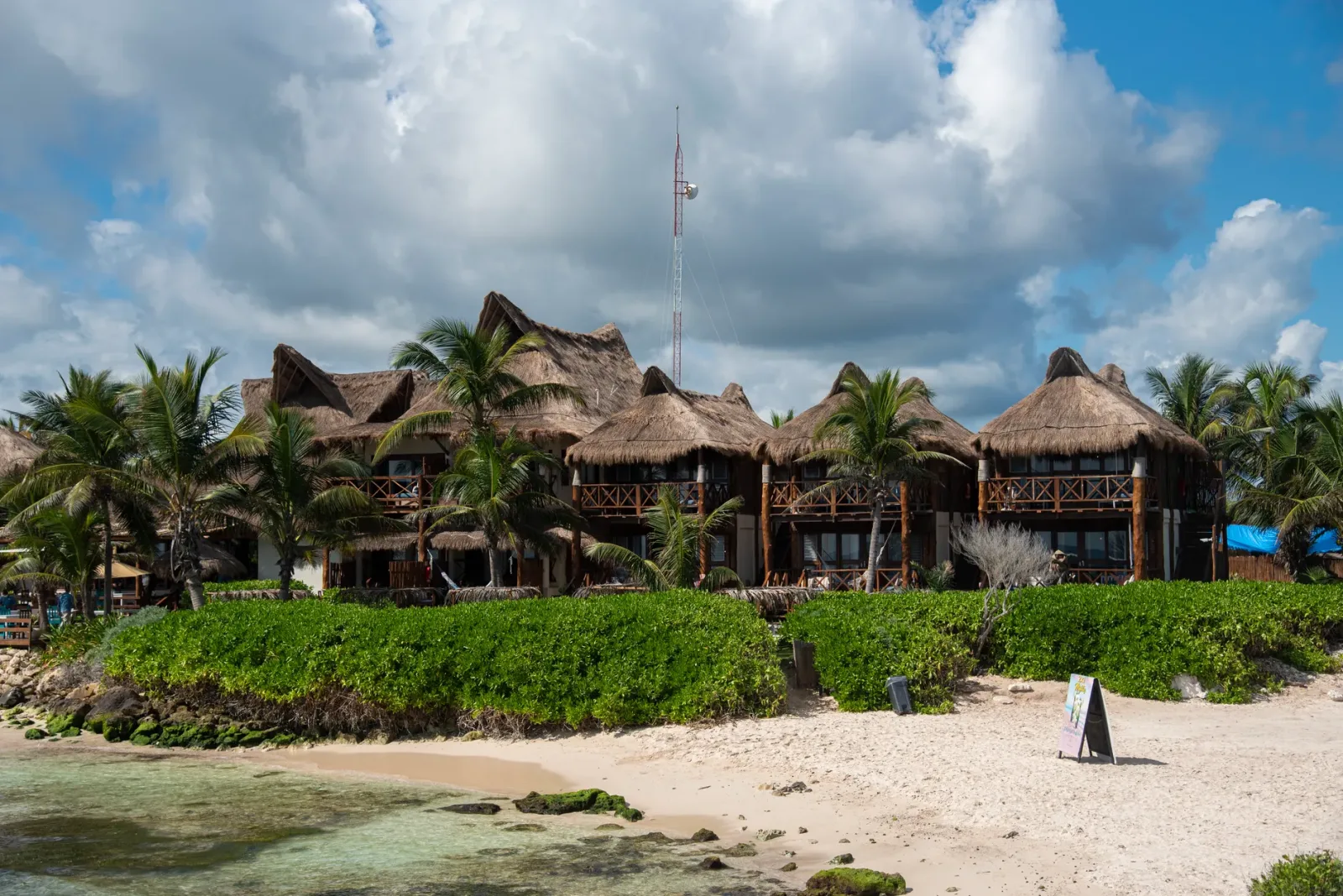
Among the best-known places, Taboo Tulum and Ahau Tulum lean more toward the beach club and seaside restaurant atmosphere. Rosa Negra is more about a more elaborate experience, while Kin Toh and Tseen Ja are among the names most associated with a carefully presented dinner and a more extensive menu. Casa Banana follows a different line, with a focus on meats and dishes that usually appeal to those looking for a more substantial meal.
For something more straightforward, Taqueria La Eufemia and Burrito Amor are better suited to those who want to eat without turning the meal into a long outing. They are useful choices for lunch or for a break during the day, especially if the idea is to spend less time and less money than at the trendiest restaurants. In Tulum, this matters a lot: the difference between a casual dinner and a highly sought-after table can be big, so it’s worth looking at the menu, atmosphere, and bill before deciding.
How to get around, when to go, and what to know before your trip
Tulum does not rely on public transportation to be explored comfortably. Between the airport and the city, travel is usually done by transfer, taxi, or rental car, and that also applies to those arriving via Cancún. If the idea is to move only between the busiest areas, bicycle and taxi handle most of the itinerary. For longer trips or to fit in excursions outside the urban core, a car offers more freedom, but it is not mandatory for everyone.
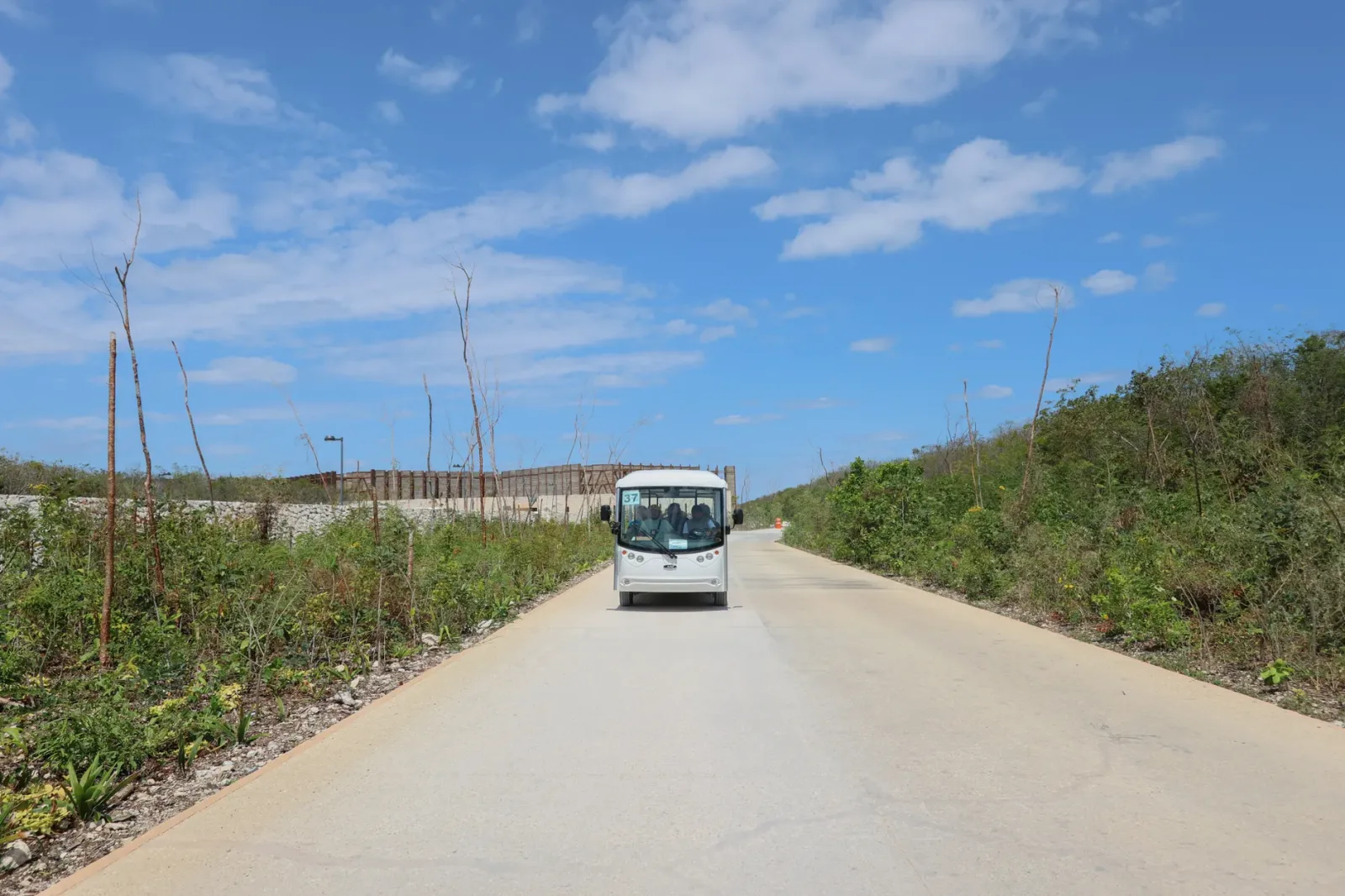
The bicycle works well on flat, short stretches, especially in the most touristy area. Taxi, on the other hand, is useful when the heat sets in or when the trip crosses the city from one point to another. In Tulum, logistics matter more than distance itself: the city is spread out, and that makes a difference when combining the beach, downtown, and day trips. If you plan to leave the main area frequently, it is worth carefully evaluating whether it makes sense to depend on individual rides or have your own vehicle.
For those planning an itinerary based on the region, Cozumel comes in as a connection point and Cancún as the most common gateway. What matters in practice is choosing the mode of transportation that fits the type of trip: more independence with a car, more simplicity with transfers and taxis, more economy and light movement with a bicycle over short distances. Before leaving, confirm with the hotel or transportation company the route format and the exact drop-off point, because that changes the arrival experience quite a bit.
Tulum’s climate is warm year-round, with a period more prone to hurricanes between late summer and autumn in the Caribbean. High season usually brings more activity and less friendly prices, so booking in advance helps. If the priority is beach and sea, it is worth keeping an eye on the sargassum situation and choosing the date based on that, not just the calendar. At any time of year, keep in mind that the sun is strong and part of the day may call for a break in the shade.
For entry into Mexico, a valid passport and any visa requirement depend on the traveler’s nationality, so this needs to be checked before the trip. Cash helps a lot for shorter trips and at establishments that do not handle cards well; in Tulum, the local currency is the Mexican peso. The electrical grid follows North American standards, so adapt chargers and devices before leaving. Payments in pesos are usually more practical in everyday life, and not every place handles other currencies or cards well outside the more structured areas.
Frequently asked questions
What to do in Tulum besides the beach?
Besides the beach, Tulum has Mayan ruins, cenotes, a nature reserve, and parks such as Xel-Há, Xcaret, and X-Plor. You can also include trips to Sian Ka’an in your itinerary.
Is it worth staying in Tulum Pueblo or the hotel zone?
Tulum Pueblo is usually better for those who want more convenience and lower prices. The hotel zone is the best option for those who want to stay closer to the sea.
Are Tulum beaches public?
Along much of the coastline, access to the sea goes through beach clubs or hotels. The truly public stretches are few.
Which cenotes are worth visiting in Tulum?
Gran Cenote, Cenote Dos Ojos, Casa Tortuga, Xenotes, and Ik-Kil are among the most sought-after options. The choice depends on whether you want snorkeling, caves, facilities, or a more organized tour.
How do you get around in Tulum?
Bicycle, taxi, transfer, and car are the most commonly used options. The bicycle works well for short distances, but for longer trips, a taxi or a car is more convenient.