San José del Cabo: travel itinerary with what to see, where to stay, and how to get around
San José del Cabo: discover where to stay, how to get around, and what to see in 2 to 3 days, with practical tips to plan your trip.
Where is San José del Cabo and how the city is organized
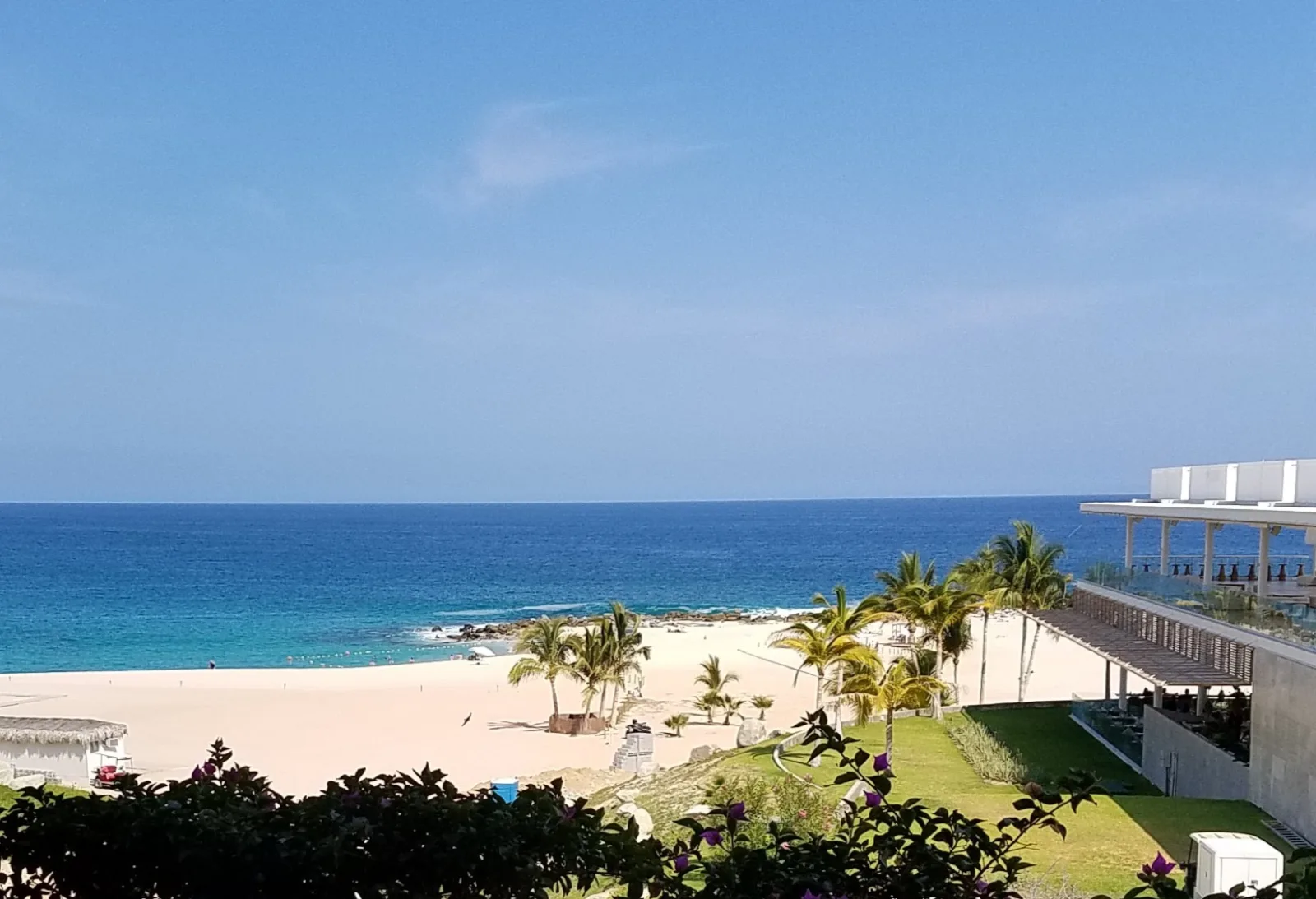
San José del Cabo is located at the southern tip of the Baja California peninsula, within the Los Cabos region, which brings together the city and Cabo San Lucas. The two have very different profiles: San José is the calmer and more organized base, centered around the historic center and art, while Cabo San Lucas concentrates the energy of the marina, bars, and tourist activity.
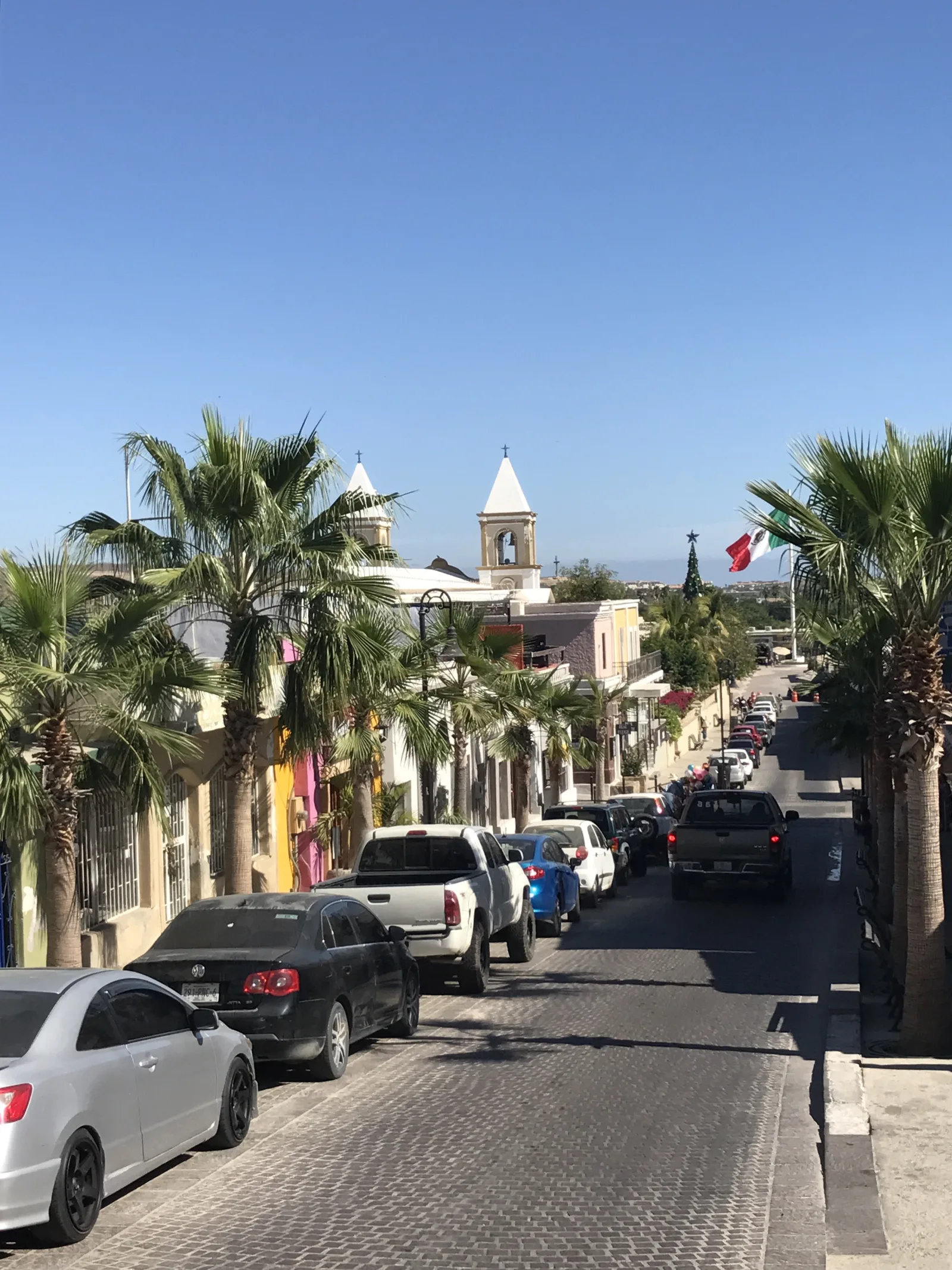
In practice, the city is divided into three useful areas for travelers. The Art District brings together galleries, smaller shops, and streets that are easy to explore on foot, with an atmosphere more focused on art and unhurried strolling. The historic center revolves around Plaza Mijares and the Mission San José del Cabo, with more street life and everyday commerce. Meanwhile, the Zona Hotelera lies along the coast, with resorts and quick access to the beach, in an environment that is more about lodging than urban sightseeing.
From Los Cabos International Airport, the trip to San José del Cabo takes about 25 minutes. To Cabo San Lucas, the practical reference is approximately 45 minutes by car. This distance helps explain why San José often works well as a calmer base, without cutting off access to the rest of the Los Cabos area.
If you want to walk among galleries, restaurants, and central streets, the Art District and the historic center make more sense. If the priority is staying close to the beach and resorts, the Zona Hotelera is the better fit. Cabo San Lucas already moves at another pace, livelier, and it is worth thinking of it as an extension of the trip, not the same kind of experience.
What Is the Best Time to Visit
From June to October, San José del Cabo enters the hottest part of the year. The heat feels heavier at midday, and humidity rises, especially between August and September, when the heaviest rains of the annual cycle are also concentrated. For those who can tolerate this kind of weather, the advantage is finding a less crowded city than at the peak of winter.

Between December and March, the weather is usually milder, with comfortable days and cooler nights. It is also whale-watching season, which runs from December to April, when many travelers combine beach time, sightseeing, and outings to see the animals. February to April usually works well for those who want this package without hitting the peak vacation periods and the most crowded holidays.
If the priority is walking, dining outdoors, and spending the day out without suffering from excessive heat, it is worth aiming for the final stretch of winter and the beginning of spring. If the trip falls between August and September, it makes sense to plan fewer long walks and leave room for changes in the weather throughout the day.
Editorial transparency: Some links on this page are affiliate links. We may earn a commission at no extra cost to you. This does not influence our recommendations.
How to get to and from the airport without hassle
When leaving Los Cabos International Airport (SJD), the simplest option is to have your transfer arranged before arrival. This reduces the chance of entering the approach area and losing time to transportation offers, tour sales, and other common distractions there. For those who want predictability, a pre-booked transfer is usually the most direct option; the shuttle is the most economical choice, especially if shared, while a private service costs more and gives you more control over timing.

A taxi is the quick-response alternative after landing, but it is usually more expensive than a shuttle. The important thing is to use the official counter to agree on the fare before proceeding. Uber appears as an option, but at SJD pickup does not happen in the arrivals area; you need to leave the terminal and meet the driver outside, which makes the process less practical than it seems. If the idea is to leave without waiting, a taxi tends to work better than an app; if saving money is the priority, the shuttle has the advantage.
Those who will be driving should arrange the car rental in advance. Rental companies do not operate as an immediate pickup inside the terminal: generally, a shuttle takes the customer to the company’s external location. This makes sense for those who already plan to use the car from day one or continue traveling beyond San José del Cabo. If you’ll only be staying between the hotel and downtown, a car may be extra baggage.
There is also the Ruta del Desierto bus, which serves those who want the cheapest option and do not mind traveling with less comfort and less room for luggage. It is the simplest option for ground transportation from the airport, but it requires attention to the boarding point and final destination, because it was not designed for door-to-door service. To leave SJD without hassle, the choice usually comes down to a booked shuttle, a taxi at the counter, and a rental car; the rest are budget solutions, not convenience solutions.
How to get around between the downtown area, the hotel zone, and the surroundings
If you stay between Zona Hotelera and downtown, you can get by without a car for much of your stay. The stretch is not made for long walks, but it works well for occasional trips by taxi, Uber, or local bus, especially if your itinerary is more focused on meals, the beach, and a trip downtown on alternate days.
For day trips outside the urban area, a car makes a difference. It becomes more useful when the idea is to plan your day at your own pace and head out without depending on other people’s schedules. If the plan is just to move between the hotel, downtown, and an isolated spot in the Los Cabos region, renting a car becomes more useful than essential.
Uber usually handles short trips, with the advantage that you can see the cost before confirming. A taxi is more straightforward when you need to leave right away, but the fare is usually higher. The local bus is an economical alternative for those willing to accept less comfort and a simpler ride; it works better for unhurried trips than for squeezing in tight schedules.
Between Zona Hotelera and downtown, walking may be viable depending on where you are staying, but it does not count as the main mode of transportation for most travelers. Going from San José del Cabo to Cabo San Lucas takes about 45 minutes by car, so that change of city works better as a planned outing than as an improvised trip between one commitment and another.
What to do on a 2- to 3-day itinerary
Start the first day on foot through the historic center and the Art District, letting the pace be guided by the galleries, small shops, and the streets around Plaza Mijares. The colonial mission of San José del Cabo fits well in the same block, because it helps provide context for the center without requiring long transfers.
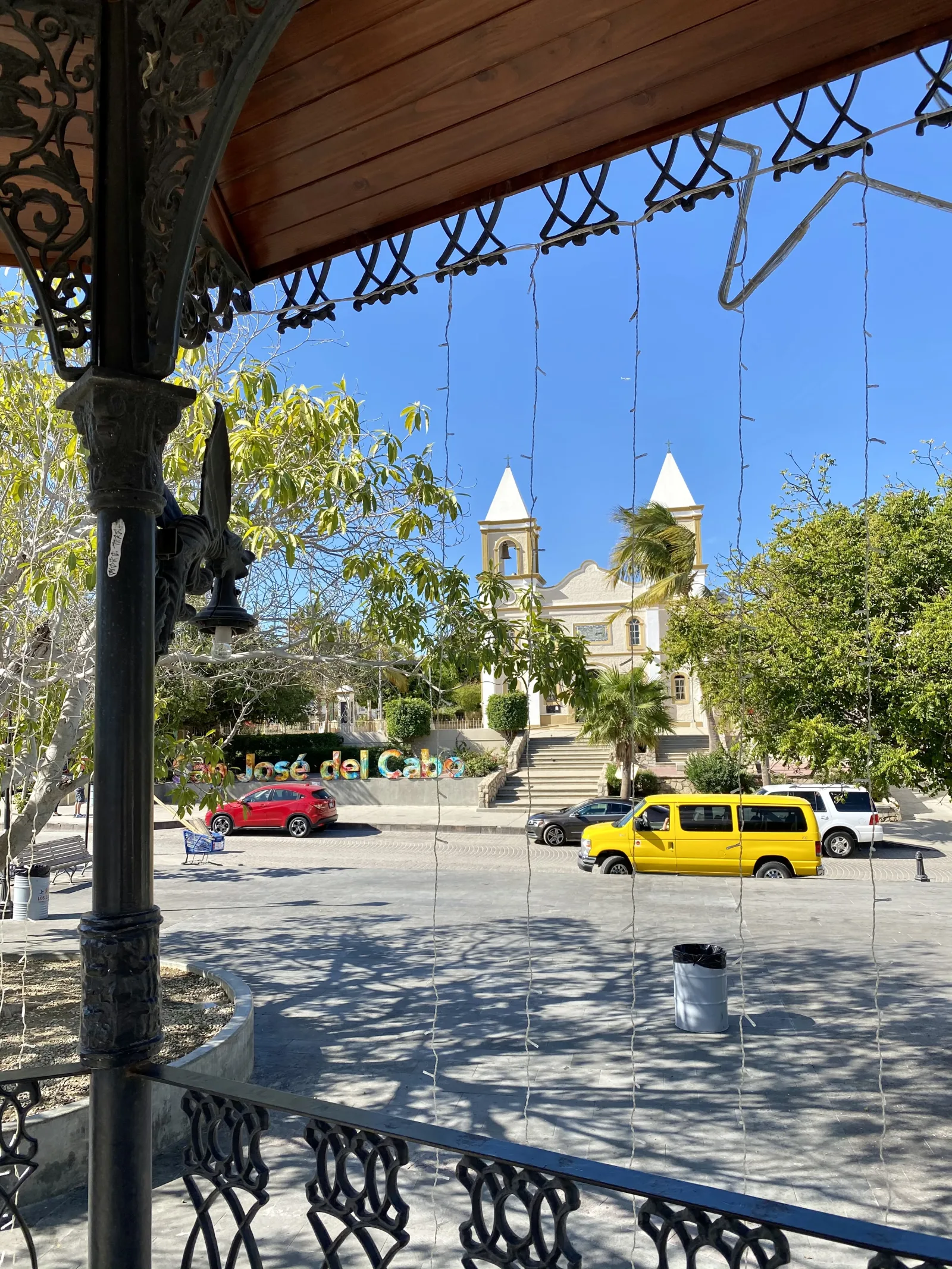
If the trip falls on a Thursday, save late afternoon for the Art Walk. That is when the Plaza Mijares area gets livelier, with stalls, crafts, and works by local artists. Those who want to have dinner there usually gain more time if they make a reservation at places like La Lupita, especially on that day.
On the second day, it is worth setting aside the morning for one beach and the other half for another. Palmilla is usually the calmer choice for swimming and snorkeling; Costa Azul works better for those who want to see the sea with waves and a more active beach vibe. If the visit is between December and April, fit whale watching into this block or another day: you can see it from the coast or go on a tour, and the experience changes quite a bit depending on the sea conditions.
With 2 to 3 days, the third day fits well as a short outing day. Cabo San Lucas usually comes in as a quick option because of El Arco and Lover’s Beach. Cabo Pulmo calls for a fuller day, because the interest there is in marine life and diving, not a hurried visit.
Where to eat: tacos, street food, and farm-to-table restaurants
In Plaza Mijares and the streets nearby, the simplest food is often the most useful for an unpretentious stop. Doña Nina sells tamales, as well as churros, elote, and walking tacos from carts in the area. It’s the kind of place to eat quickly before or after strolling through the center, without sitting down for a long meal.
If you’re looking for tacos with a less conventional twist, La Lupita Taco & Mezcal fits that bill. The focus there is on more creative combinations, with mezcal in the mix, and it’s worth booking for Art Walk Thursday if you want to eat there that day. Los Guacamayas is more straightforward: it works well for anyone who wants al pastor tacos without fuss. Los Tres Gallos, meanwhile, is usually remembered for its margaritas, especially the hibiscus one, and is a convenient stop for a drink before continuing the outing.
For a farm meal, Flora Farms and Acre call for a different pace. Flora Farms works best when you pair the visit with the property’s daily tours; it’s a more leisurely meal, with cuisine tied to what comes from the land. Acre follows a similar farm-to-table line, with an emphasis on local ingredients and homegrown production. If you want to choose between the two, Flora Farms tends to be the more rural and relaxed option, while Acre leans more toward a planned-dinner experience.
Where to stay according to your travel style
If the trip calls for family-friendly structure, Westin Los Cabos is the most straightforward name on the list. It works well for those who want rooms with a kitchenette, a kids club, daily activities, and space to keep the children’s routine without relying on every meal being eaten out. For a more practical stay, that combination matters more than any talk of luxury.
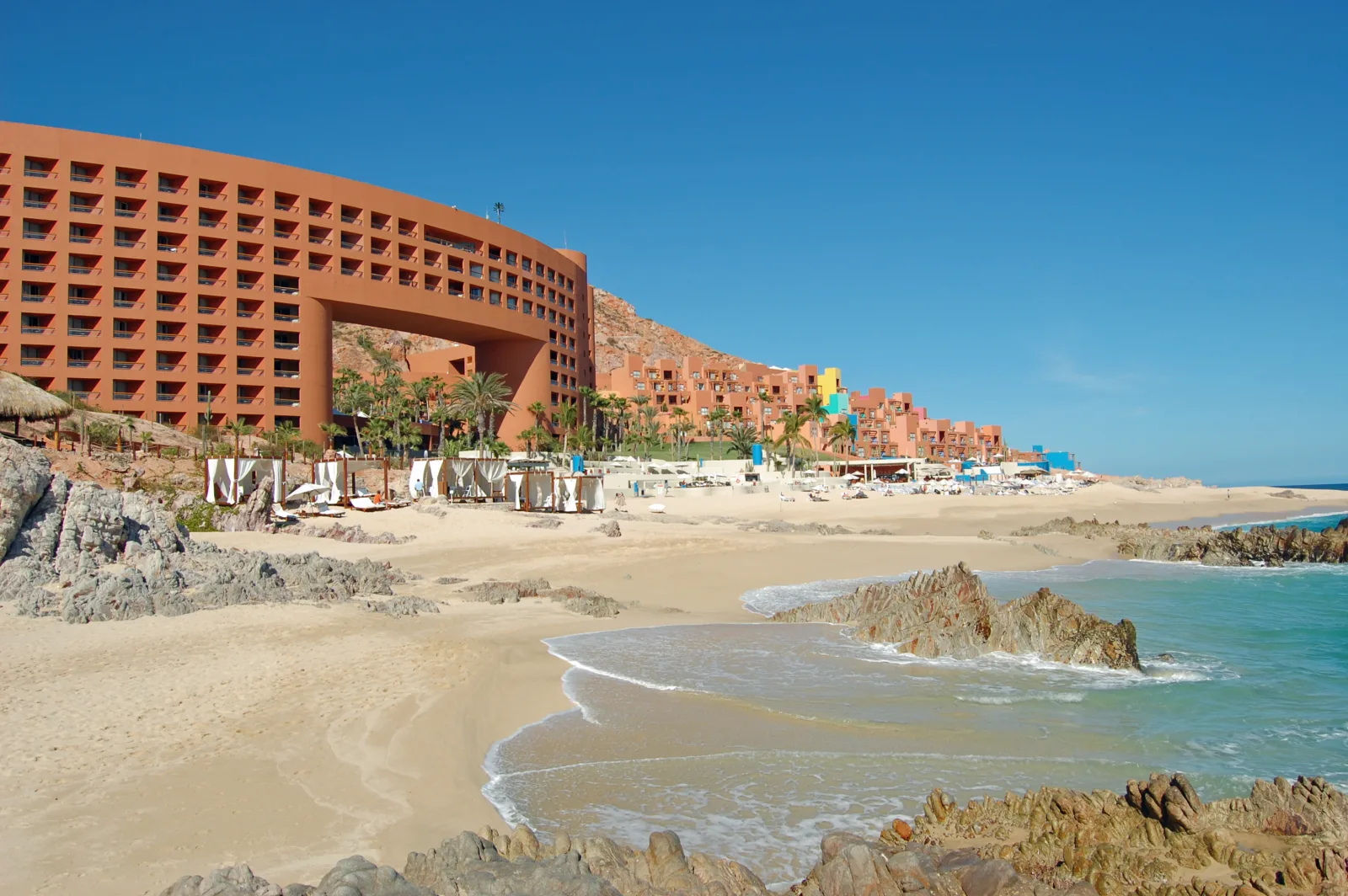
Those who prefer to handle almost everything within the hotel usually look first at Grand Velas Los Cabos. It is the all-inclusive option in the selection, with a version for all ages as well as a wing intended only for adults. It makes sense for those who want spending predictability and fewer decisions throughout the day.
JW Marriott Los Cabos works well for those who prioritize spa, golf, and high-end service. Its proximity to the 27 holes of Puerto Los Cabos appeals to golfers, but the hotel also attracts those who want to stay at a more complete address, with several dining options and areas to watch the sunset without leaving the property. Meanwhile, Hilton Los Cabos Beach & Golf Resort makes the list for a more specific reason: it has a swimmable beach, something that does not always come up in the region. If that detail matters, it quickly moves up the ranking.
For those looking for a smaller, more central stay, Drift gets the job done without feeling like a resort. It is the boutique choice on the list, with easy access to the historic center and a more compact vibe, good for those who spend more time outside the hotel and do not need the large-scale structure of a complex.
Easy day trips from San José del Cabo
Cabo San Lucas works best as a half-day or full-day outing if the idea is to see El Arco and continue on to Lover’s Beach. It is the most obvious short trip from San José del Cabo because it concentrates what many people want to see in Los Cabos without requiring a complex itinerary. The visit makes sense if you want the sea, a boat ride, and a change of pace from the historic center.
Cabo Pulmo calls for a different approach. The appeal there lies in marine life and diving, so it is better for those who want to spend the day with that focus than for a rushed visit. If you like water and plan to get in the sea, it easily makes the list; if the trip is short and you do not want to dedicate hours to a specific activity, you can skip it without guilt.
To decide between the two, think about what you want from the day: Cabo San Lucas delivers a postcard view and an experience that is easier to fit in; Cabo Pulmo requires more dedication, but it pays off for those who prioritize the sea above all.
Frequently asked questions
What is the best time to visit San José del Cabo?
From December to March, the weather is usually milder and more comfortable. Between December and April, it is also possible to see whales, and from February to April it usually works well to travel with a lower risk of very crowded periods.
How do I get from Los Cabos Airport to San José del Cabo?
The simplest option is to leave with a pre-booked transfer, as well as shuttle, taxi, and rental car. The Ruta del Desierto bus is the cheapest alternative, but it is less practical for those who want comfort and door-to-door service.
Do I need a car to get around San José del Cabo?
Not necessarily, if you stay between the Hotel Zone and the center. For day trips and outings outside the urban area, a car makes more of a difference.
What can I do in 2 or 3 days in San José del Cabo?
The itinerary can combine the historic center, the Art District, Plaza Mijares, and a beach such as Palmilla or Costa Azul. With more time, it is worth including Cabo San Lucas or Cabo Pulmo as a short trip.
Where to eat in San José del Cabo?
For something simple, there are carts and spots in the center with tamales, churros, elote, and tacos. For more complete meals, options like La Lupita, Los Guacamayas, Flora Farms, and Acre suit different travel styles.