Salzburg: how to plan the trip, what to see, and when to go
Plan Salzburg with tips on when to go, how many days to stay, what to see in the historic center, and how to fit in trips to the surrounding area.
Where is Salzburg and why does it belong in an Austria itinerary
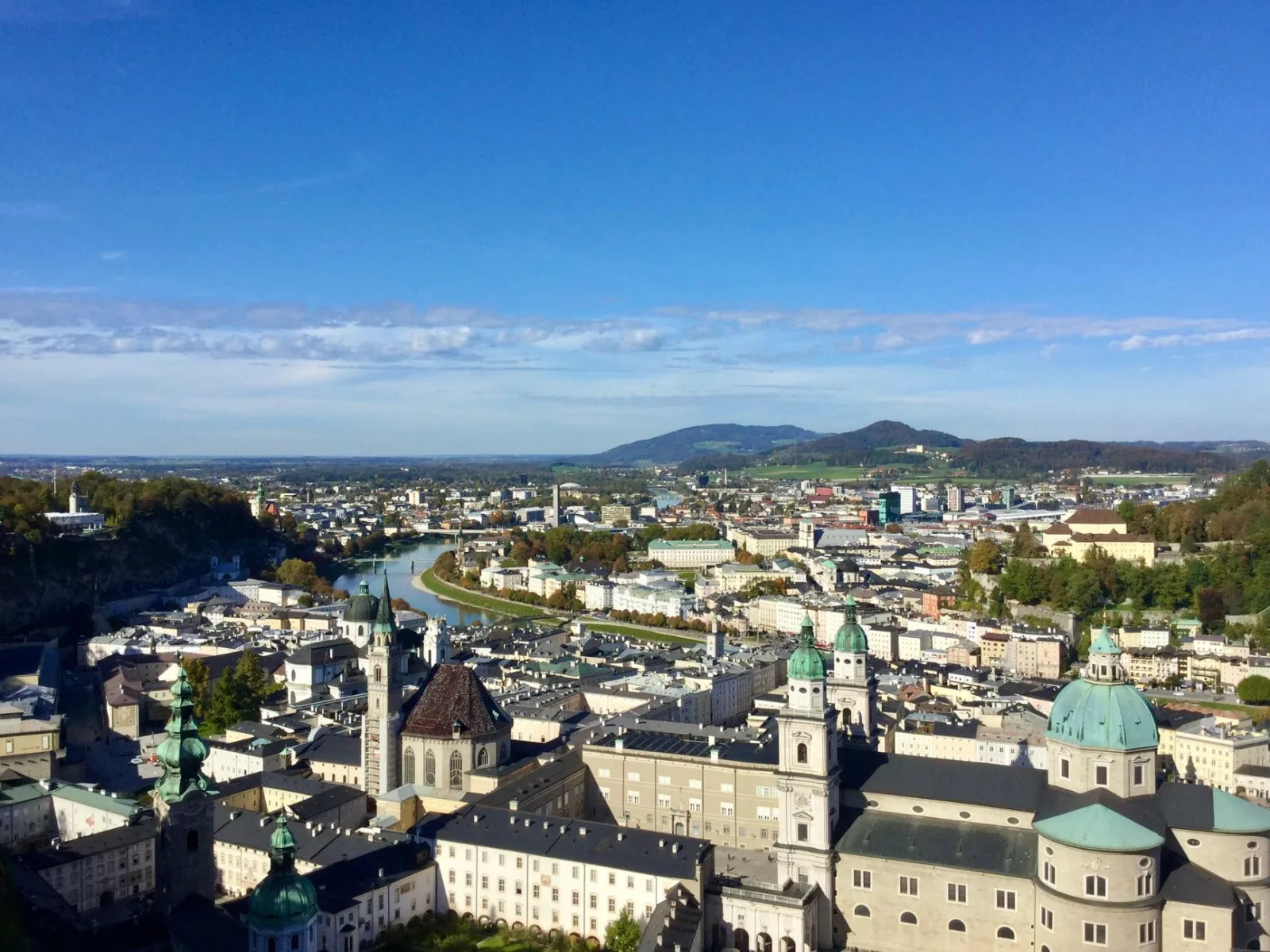
Salzburg is in western Austria, very close to the border with Germany, and that explains part of its relevance in the country’s itinerary: it works as an Austrian city with easy movement through the neighboring region and quick access to alpine landscapes, lakes, and small historic towns nearby. For anyone planning an itinerary through Austria, it fits in easily because it combines urban heritage with short trips into nature.
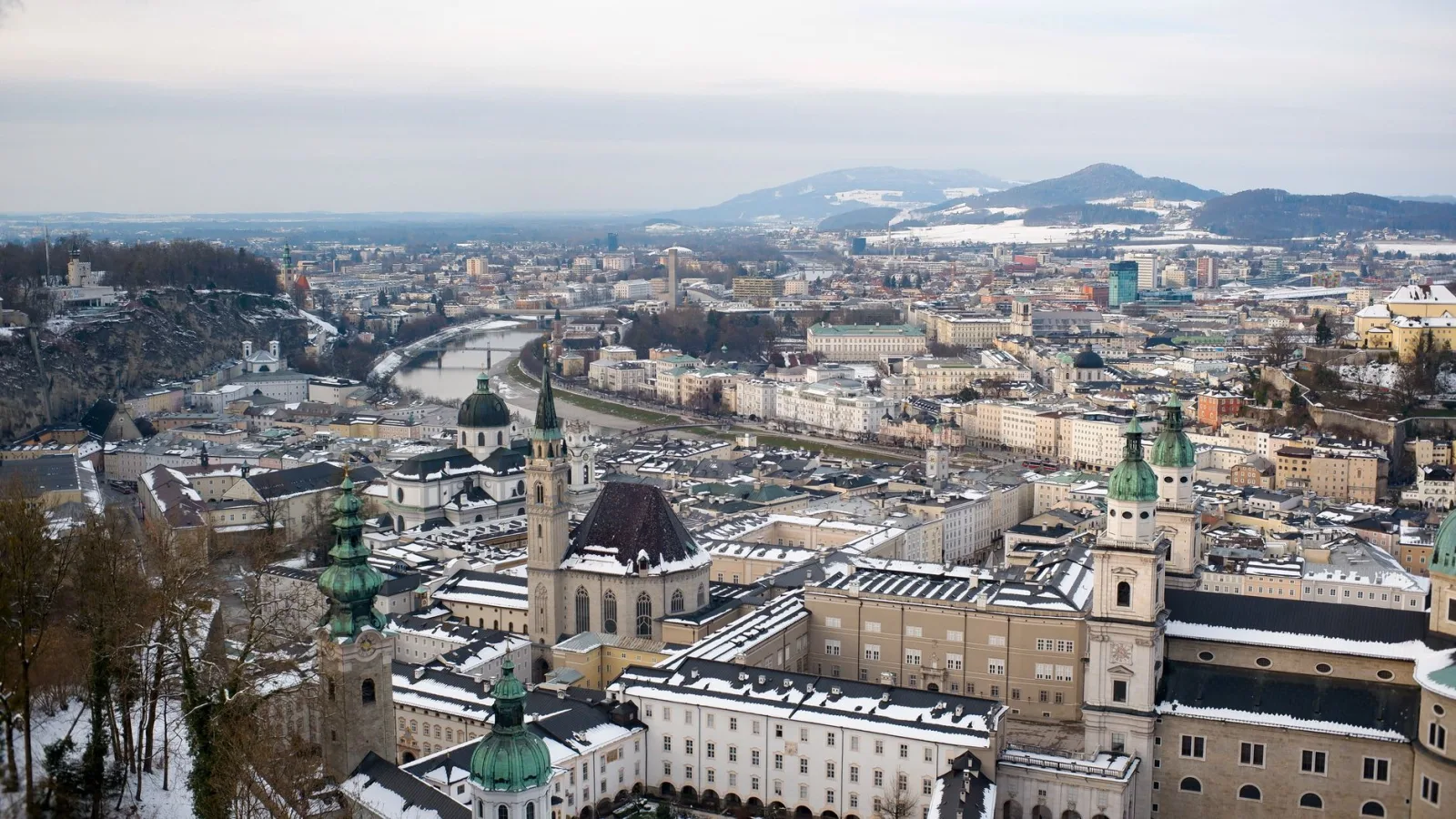
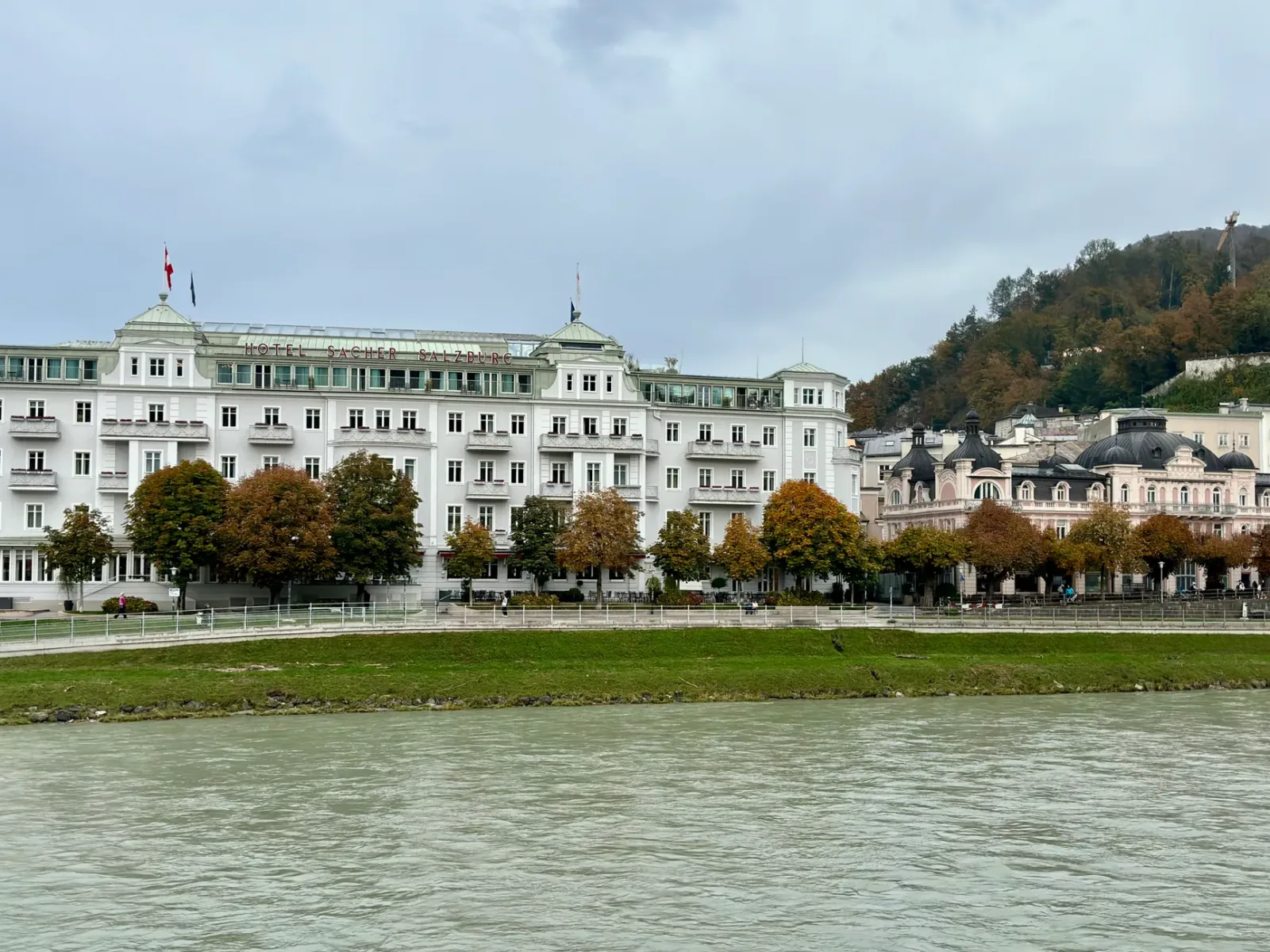
The city is crossed by the Salzach River, which separates the old city from the new city. On the old side is the most historic part, with narrower streets and an urban ensemble that was restored after the bombings of World War II. The Altstadt was recognized as a UNESCO World Heritage Site in 1997, which helps show the importance of the historic center within the city.
Salzburg also has a very clear cultural importance. The connection with Mozart is everywhere, but the city is not limited to that: it preserves old churches, medieval fortifications, and Baroque buildings that help tell the story of the region’s development. St. Peter’s Church, for example, dates back to 686 and is part of this historical layer that sets Salzburg apart from other, more straightforward stops in Austria.
For the traveler, this translates into a destination that is worthwhile as a whole. Salzburg works well as a base city for those who want to alternate between historic center, religious heritage, and alpine atmosphere without leaving the country for long stretches. Those who include the city in their itinerary are usually looking for exactly this combination: a major urban stop, surrounded by a region that expands the trip beyond the center.
How to get to Salzburg by train, bus, car or plane
From Vienna, the rail connection is usually the most practical option: the journey takes less than three hours and trains run frequently throughout the day. The bus also makes the trip in less than three hours and, on some dates, can be cheaper than the train. If the idea is to compare price and schedule, it’s worth checking both before buying.
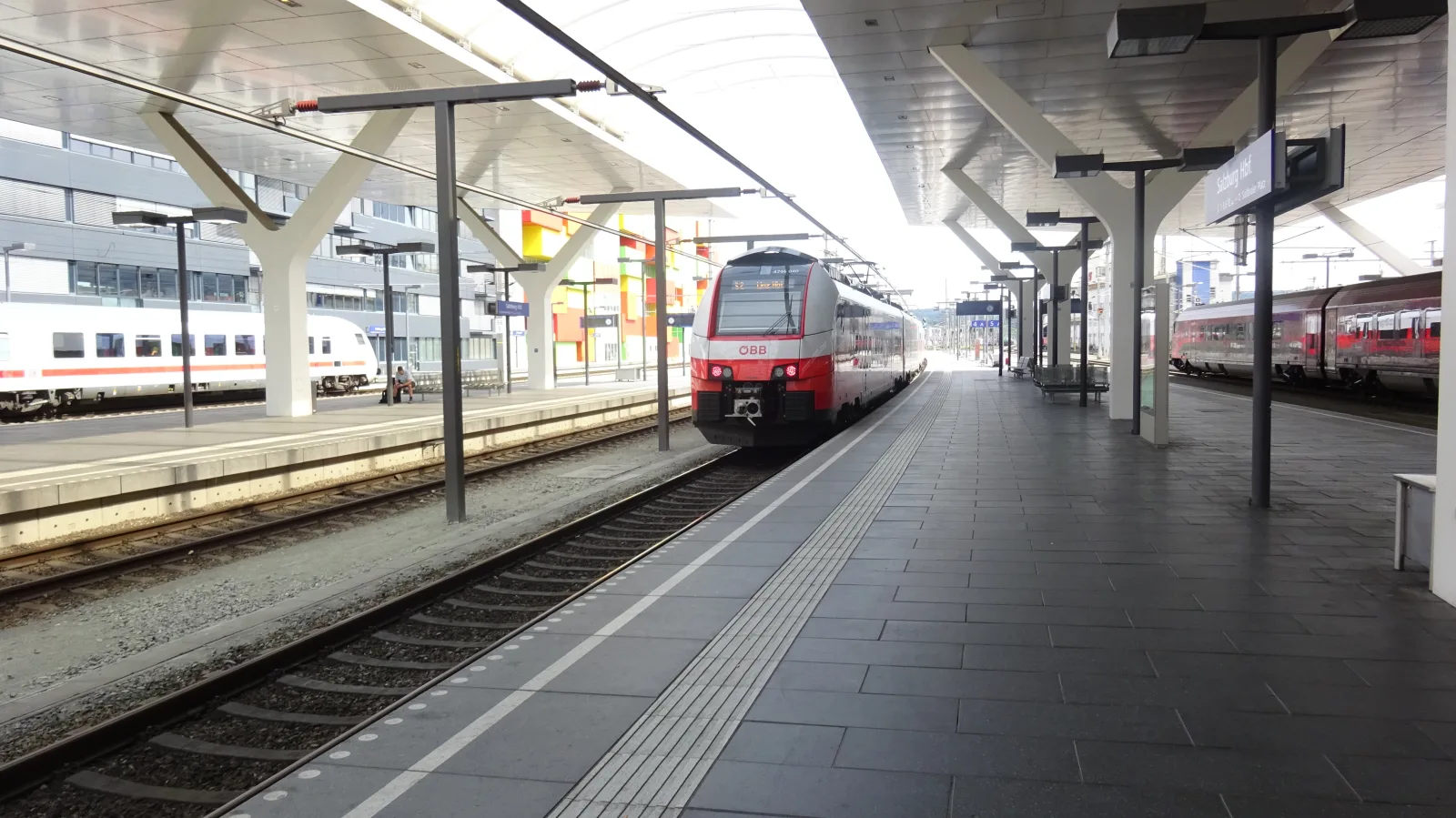
Munich also works well as a starting point, because Salzburg is close to the border with Germany and the overland journey is direct. By car, the trip is quick, but you need to pay attention to tolls in Austria, which are not very intuitive for those renting a vehicle. Before finalizing the rental, confirm with the company how payment is handled in the country. For driving, a Brazilian driver’s license with a sworn translation or an International Driving Permit is accepted.
Those who prefer to fly will find in Salzburg an airport with low-cost airline operations, such as Ryanair and EasyJet. This route usually works well when the ticket fits better with the rest of the itinerary, but it is the kind of segment that changes a lot depending on the season and availability. If the goal is to arrive without relying on long connections, the train is usually the most predictable option; if price is the priority, the bus and airport promotional fares are worth checking before purchase.
Editorial transparency: Some links on this page are affiliate links. We may earn a commission at no extra cost to you. This does not influence our recommendations.
How Many Days to Stay in Salzburg and How to Organize the Trip
If you only have one day, it is possible to get a clear sense of the city: the historic center, one main attraction, and a short walk through the nearby areas. It is a tight stay, but enough to understand Salzburg’s scale without turning the visit into a rush.
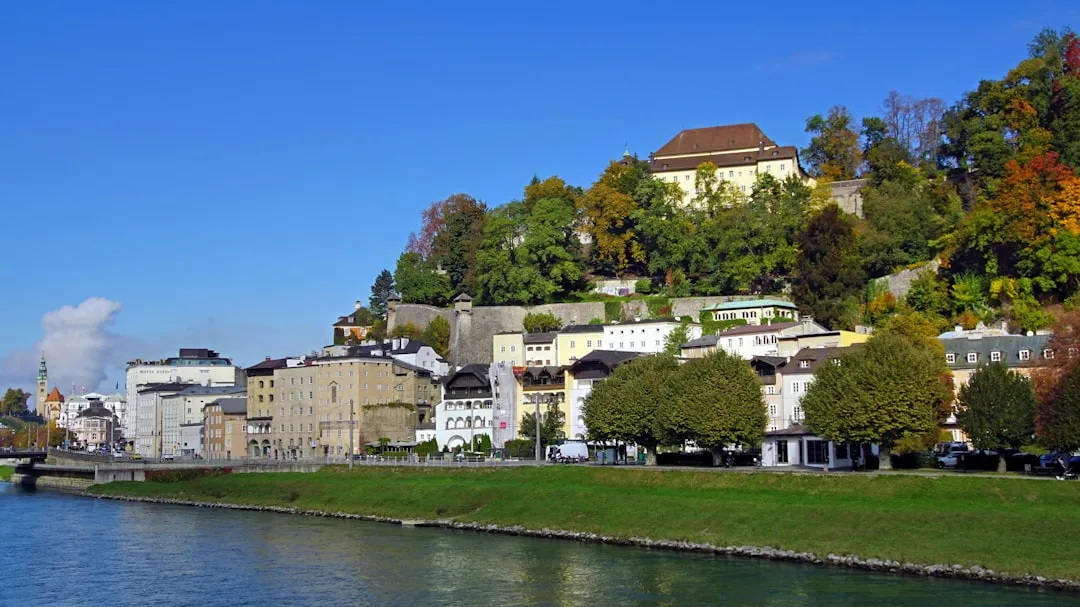
With 3 to 5 days, the trip becomes more balanced. This time frame allows you to see the city at a relaxed pace and still fit in short outings to the alpine lake region of Salzkammergut and to Hallstatt. It also leaves room to choose the city’s rhythm without depending on a perfect match between tickets, transportation, and weather.
If Salzburg is your base, the logic changes little: sleep in the city and divide the outings into blocks. On one day, stay in the urban core; on another, set aside Salzkammergut; on another, consider Hallstatt or Werfen, if that is in your itinerary. Those who want to extend the trip can use the same base to alternate between city and nature without changing hotels every night.
The practical decision usually depends on two questions: do you just want to see the main sights, or do you want to use Salzburg as a starting point to go elsewhere? If the answer is the second, it is worth seeing the city as a support base rather than as an isolated stop.
When to go to Salzburg: weather, high season and events
Summer brings together the longest days and also the greatest pressure on prices and crowds. It is the time when several attractions stay open longer, which helps those who want to fit in visits without racing against the clock. In July and August, the city usually receives more visitors and prices tend to rise.
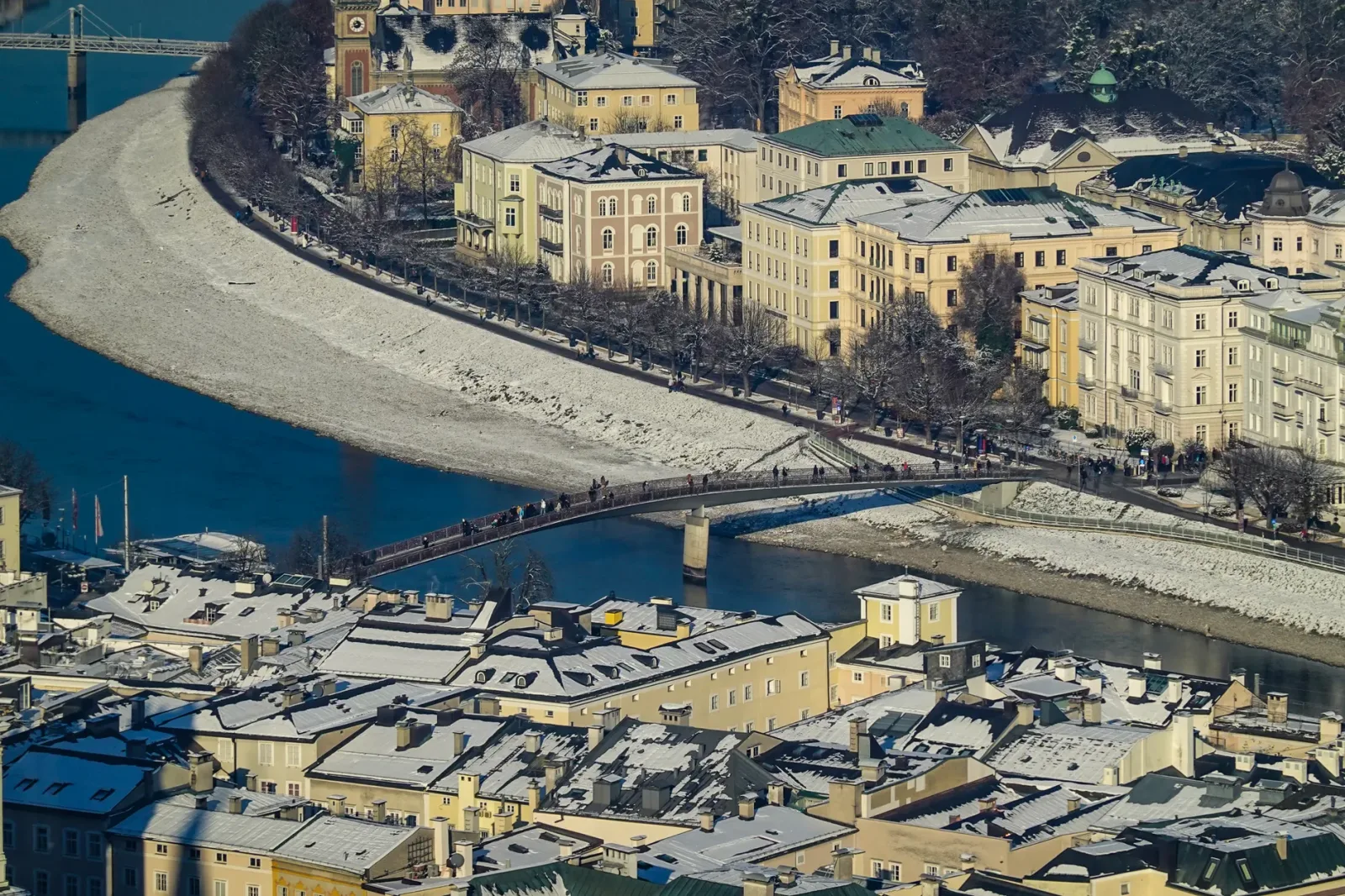
In winter, Salzburg changes pace. December stands out for its Christmas markets, which drive demand up, and January remains busy because of the ski season in the surrounding Alpine areas. For those traveling at this time, it is worth checking updated attraction and transport schedules, because they can vary quite a lot depending on the season. On the other hand, the cold weather pairs well with the Mozartwoche, which takes place during this period and fills the program with classical music.
Spring and autumn are usually the most balanced months for getting around the city. There are fewer tourists, prices tend to be lower, and the visit flows with less competition for tickets and restaurant tables. During Easter week, the city hosts the Osterfestspiele, with concerts and activities spread throughout Salzburg.
If cultural programming is the priority, the Festival de Salzburgo weighs heavily in the choice of dates. It takes place between July and August and requires advance planning, because demand rises along with the season. If the priority is spending less and finding the city more open, spring and autumn are usually the simplest bet.
What to do in Salzburg in the historic center
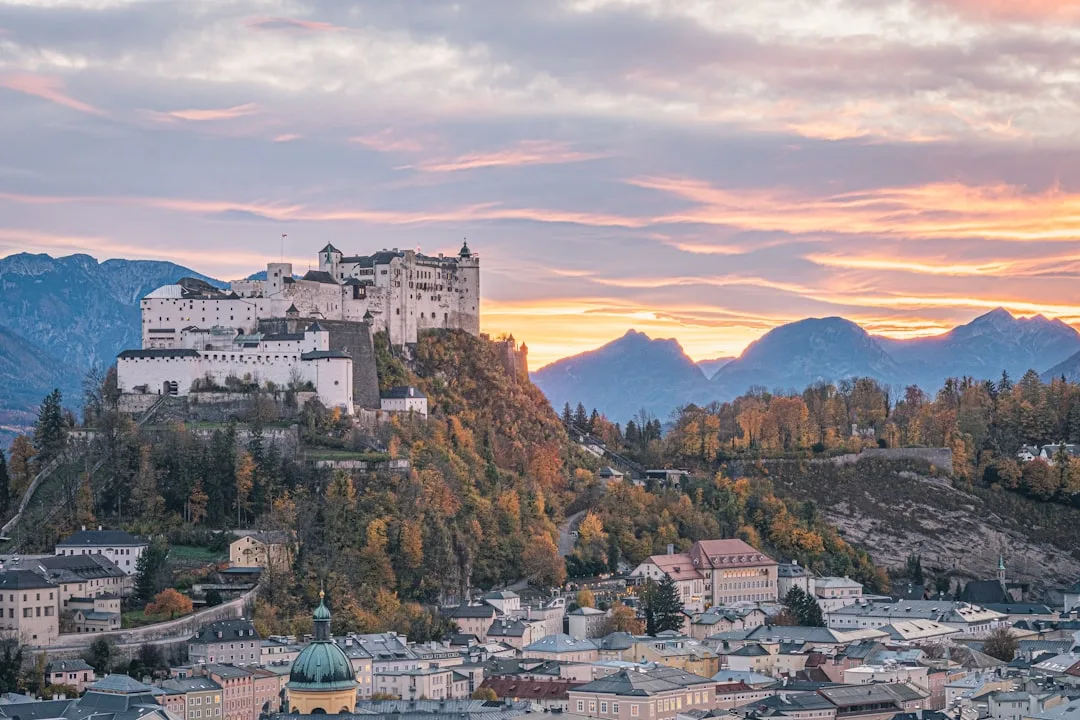
Hohensalzburg Fortress is usually the first stop for anyone who wants to understand the city from above. Access by funicular is included in the visit, and admission for adults is around 15 euros, with the ride already included for those who prefer to avoid the climb. It is one of the best-preserved medieval castles in Europe and offers the best view of the old urban layout without relying on a long walk.
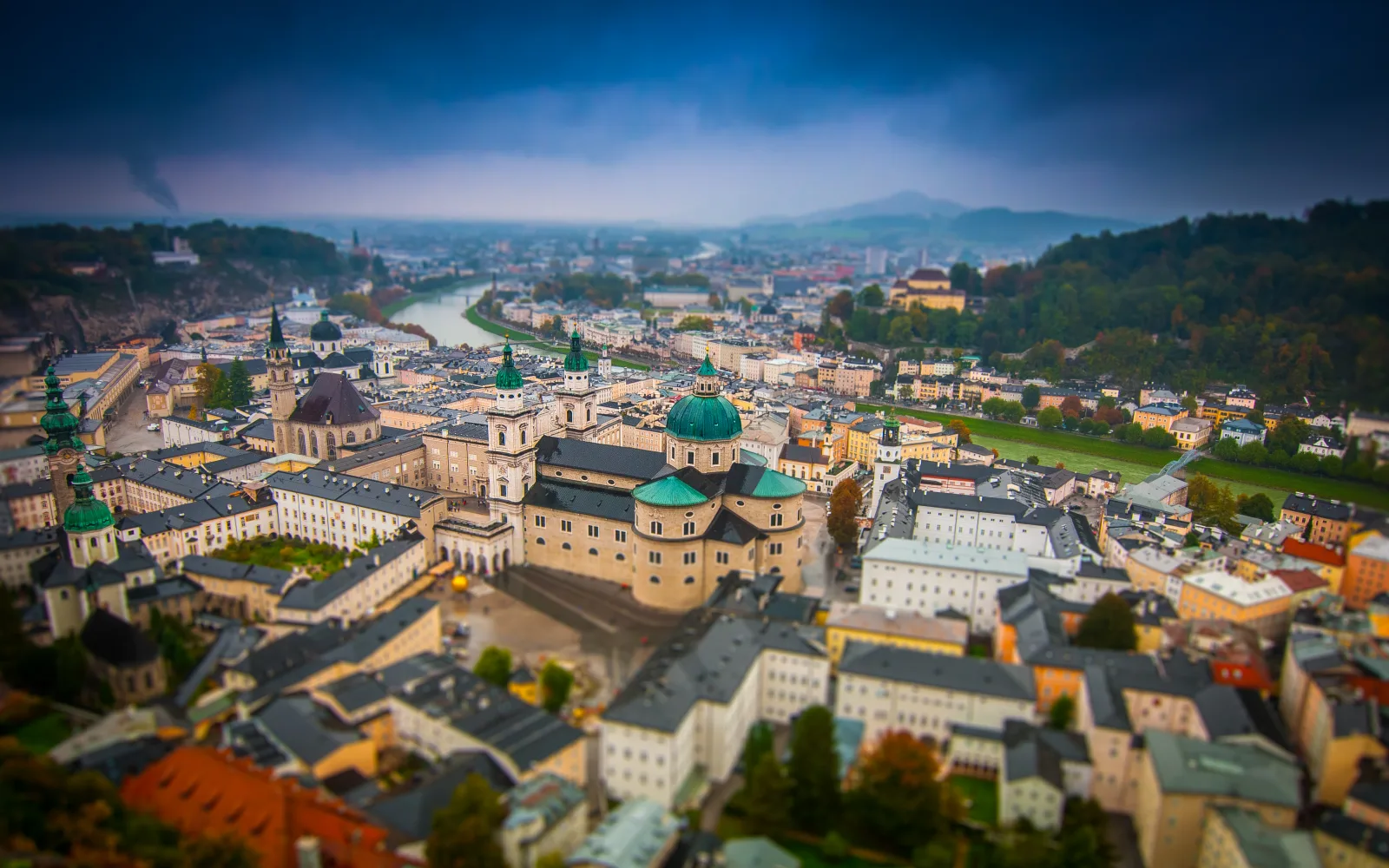
Along the most central axis, Schloss Mirabell works well for a short visit: the gardens are free, and the outdoor area is open from 6 a.m. until dark. The interior closes at 4 p.m. The Residenz also fits easily into a downtown itinerary, with admission of 12 euros for adults and visiting hours from 10 a.m. to 5 p.m. Salzburg Cathedral, in Baroque style, has free access and opens at times that vary depending on the day of the week and the time of year, so it is worth checking the current schedule before going.
For the Mozart side of the city, Mozart's Birthplace, where he was born, and Mozart-Wohnhaus, where the family moved later, function as two separate visits. Each ticket costs 10 euros for adults, and the collections help you understand the composer at different stages of his life. The first shows childhood and the early years; the second, the period when he was already working in a larger space and produced an important part of his work.
Erzabtei St. Peter closes this circuit with historical weight. The church and the monastery are among the oldest in the German-speaking world, and the visit to the catacombs costs 2 euros for adults. If you are putting together the historic center piece by piece, this is the attraction that best connects architecture, religiosity, and the city’s oldest layer without requiring any extra travel.
How to organize tickets and the Salzburg Card
The Salzburg Card pays off when you want to fit several visits into a short time and enter attractions without having to buy ticket after ticket. It gives access to the main tourist sights as well as public transportation, which helps a lot if the idea is to get around the city with less hassle.
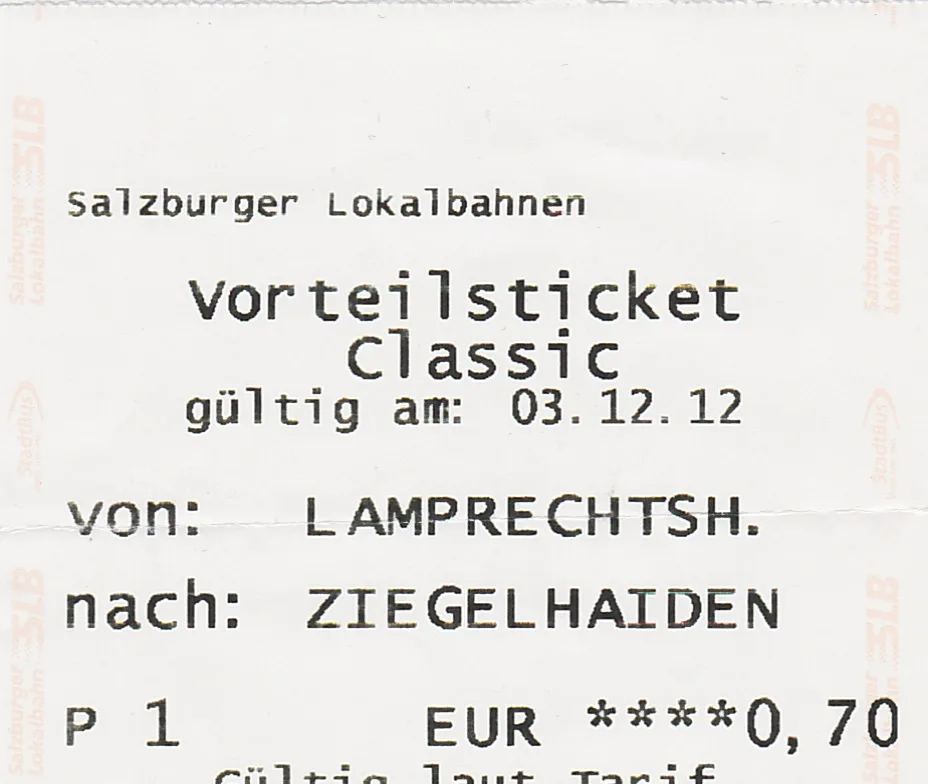
In the available material, the card appears with two price ranges already used by travelers: 42 euros for three days per person and, in the low season, a lower price. Since the cost varies depending on the time of year and the purchase channel, it is worth checking the current price before booking. The logic is simple: if you plan to visit more than one paid attraction and use public transportation, the card tends to make sense; if your stay in the city will be very short, the benefit may be smaller.
Buying in advance online or at tourist information points helps avoid wasting time at the destination and allows you to compare the card with the total cost of individual tickets. This is especially useful when the trip includes attractions with admission fees and short transfers between them, because the calculation is no longer just about discounts but about real convenience.
If you are unsure, make your own calculation based on what you plan to see in one or three days and check how much everything would cost separately. If the total is already close to the price of the card, it is usually the most practical option.
What to do in the surroundings of Salzburg
Hallstatt usually makes it onto the itinerary because of the image of the village by the lake, but what really matters is the kind of outing: a full-day trip that combines scenery, a short walk, and time to look around the town unhurriedly. If you just want to feel the atmosphere of the region, it works well as a one-off visit; if the idea is to explore it calmly, the trip is more worthwhile when paired with other stops in the area.
Salzkammergut expands that experience. Instead of a single point, you pass through a region of alpine lakes and small towns, which changes the pace of the trip: less monument, more road, viewpoints, and outdoor breaks. It’s the kind of outing that makes sense for those who want to leave the urban core and see the landscape around Salzburg without turning the day into a marathon.
Werfen is the destination for anyone who wants to trade city life for nature and scale. Eisriesenwelt is there, an ice cave that stands out precisely because of the visit itself, and the area as a whole also includes mountains and a medieval fortress. Hallein and Bad Dürrnberg work better for those who like history tied to salt: in Hallein, the medieval town makes for a short stop; in Bad Dürrnberg, Salzwelten takes you to a salt mine with the slide that is part of the visit.
For road scenery, the Grossglockner Road calls for a full day. The route is the reason for the trip: you go for the views of the Alps and the sequence of lakes and waterfalls. If the goal is water in volume, Krimmler Wasserfälle is a trip of its own, farther from Salzburg, with the 380-meter waterfall as the center of the visit. It’s the kind of outing that works when you want to leave the city without relying on a single tourist spot and are willing to spend an entire day outside Salzburg.
Where to eat in Salzburg and what dishes to look for
Salzburg’s center works well for anyone who wants to eat without complicating the itinerary. At Zum Zirkelwirt, the bet is on traditional Austrian dishes, with Kaspressknödelsuppe and Schweinsbraten im Weissbier-Kümmelsafterl on the menu. The atmosphere is that of a classic restaurant, with a biergarten for warm days and a more comfortable indoor dining room when the temperature drops.
Bärenwirt operates on a different wavelength: it has been around since 1663 and has the feel of a historic house, the kind where the meal is also part of the visit. There you’ll find sausages, stews, and fish from the region’s lakes. In winter, the fireplace adds more to the atmosphere; in summer, the terrace table overlooking the river is what makes sense to look for.
For something more informal, StieglKeller leans toward a bar and brewery, with a cavernous setting and outdoor area. The focus there is on heavier dishes, such as schnitzel and pork knuckle, as well as beer served on the terrace. It’s a good choice if the idea is to have dinner without ceremony, with simple food and generous portions.
If you want to choose by the dish rather than the name of the place, look for these items on the menu: Kaspressknödelsuppe, Schweinsbraten, schnitzel, pork knuckle, sausages, stews, and fish from the lakes. They cover the local repertoire well and help separate the more touristy restaurant from the place that really cooks everyday Austrian food.
Where to stay in Salzburg: areas and types of accommodation
At the top of the price range is the Hotel Schloss Mönchstein, a five-star hotel on Mönchsberg hill, about a seven-minute walk from the historic center. The location works well for those who want to stay close to the old town without giving up silence and views over the city. Rates start at 400 euros, with breakfast included, and it is suited to a more comfortable stay, with spacious rooms that work well for couples as well as families willing to pay more for the facilities.
The B&B Villa Verde is a 15-minute walk from the historic center and is the most balanced option in terms of location, price, and guesthouse atmosphere. The rooms are modern, there is a garden, and breakfast is included, with regional specialties. Rates start at 95 euros. It is a good choice for couples and small families, but it also suits solo travelers, since there are single rooms with private bathroom.
For those looking to spend less, the The Keep Eco Residence works as a hostel and is located on the banks of the Salzach River, about 500 meters from Mirabell Palace. The rooms have two single beds, a shared bathroom, and a washing machine. There is a common lounge, bar, free Wi-Fi, and express check-in and check-out. Rates start at 35 euros in a single room with shared bathroom and breakfast. It is the most practical option for those traveling alone or who just want a functional base to sleep.
Frequently asked questions
How many days should I stay in Salzburg?
With 1 day, you can see the historic center and one main attraction. With 3 to 5 days, the trip becomes more balanced and still allows for outings to Salzkammergut and Hallstatt.
What is the best time to visit Salzburg?
Spring and autumn are usually the most balanced periods, with fewer tourists and lower prices. In summer there is more activity, and December sees the highest demand because of the Christmas markets.
Is the Salzburg Card worth it?
It is more worthwhile when you want to visit several paid attractions and use public transportation. If the stay is short and there are only a few visits, the benefit may be smaller.
What are the main tourist attractions in Salzburg?
Highlights include Hohensalzburg Fortress, Schloss Mirabell, the Residenz, Salzburg Cathedral, Mozart's House, and St. Peter's Church.
What trips should I take around Salzburg?
Hallstatt, Salzkammergut, and Werfen are some of the most common trips. Hallein, Bad Dürrnberg, the Grossglockner Road, and the Krimmler Wasserfälle are also included.