Pingtung County: how to get there, where to stay, and what to do in southern Taiwan
Pingtung County: see how to get there, where to stay, and what to do to put together an itinerary with beaches, trails, hot springs, and practical bases.
Where is Pingtung County and how is the territory divided
Pingtung County is located at the southernmost tip of Taiwan, between Kaohsiung to the north and Taitung to the east. It is the longest county on the western side of the island, with a north-south axis that stretches for more than 100 kilometers. This scale changes the way you plan a visit: the points of interest are not concentrated in a single center, and the journey from one end to the other is already part of the experience.
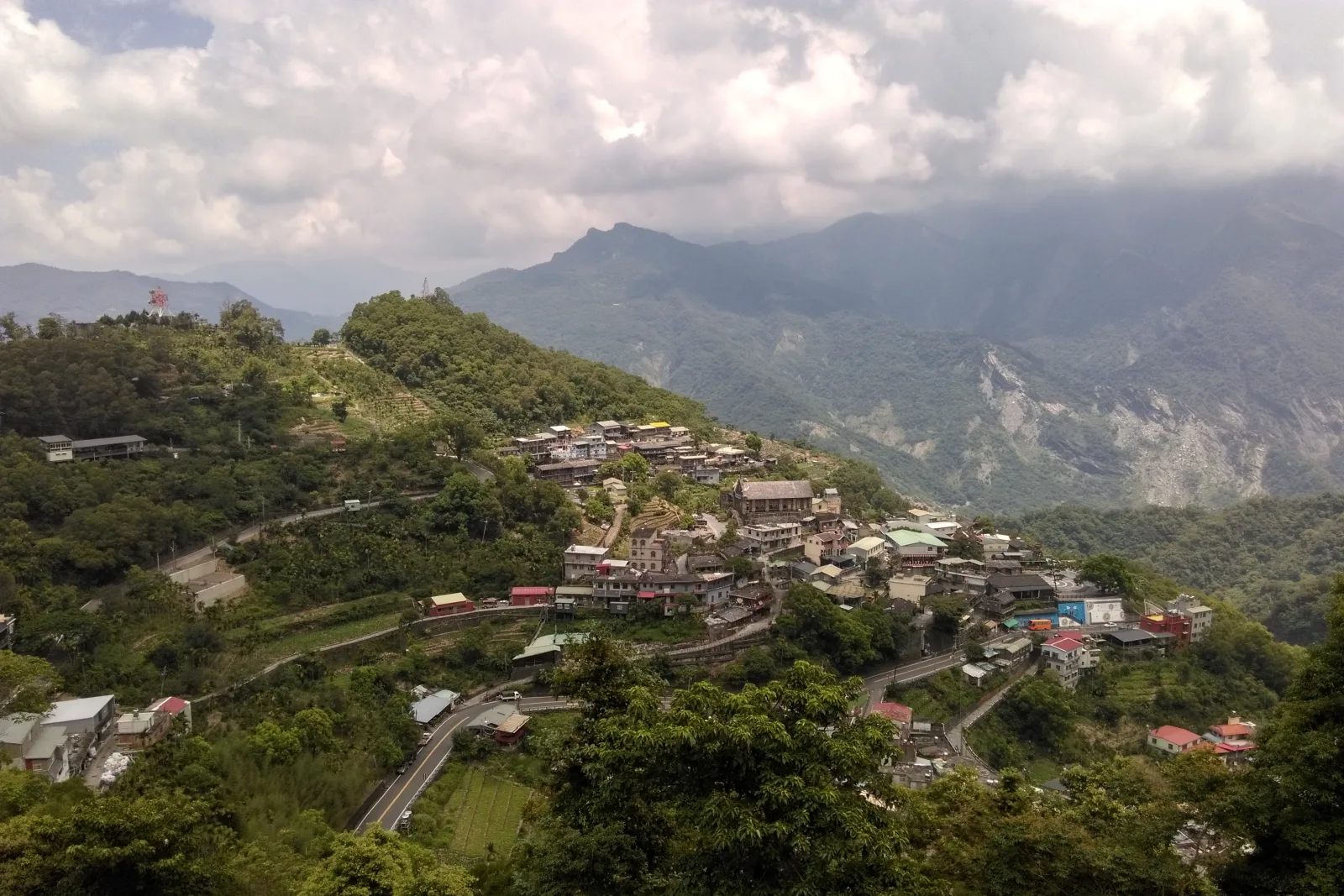
Administratively, the county is divided into 33 townships. On the map, this translates into a large and varied territory, with plains, mountainous areas, bays, and peninsulas all within the same county. The west coast opens onto the Taiwan Strait, the south onto the Bashi Channel, and the east onto the Pacific, something rare in Taiwan and useful for understanding why the landscape and climate change so much from one area to another.
This variety also explains the county’s visual contrast: low, populated fields in some areas, more enclosed mountain ranges in the north, rugged coastal stretches, and land projections extending into the sea in the south. Before putting together your itinerary, it is worth looking at the county as a set of zones, not as a single city. This helps you decide where to base yourself and how much travel makes sense for the time you have available.
How to get to Pingtung County and get around between the areas
Getting to Pingtung County is usually straightforward because the county is connected to Taiwan’s rail network and the road corridor that runs down through Kaohsiung. The most direct train option is to use the TRA, which serves Pingtung City and other areas of the county. If you are already using the Taiwan High-Speed Rail, the practical connection point is usually Kaohsiung; from there, continue by regional train or bus to the south.
To get to Pingtung City, Hengchun Township, and the Kenting National Park area, buses handle the final leg well. They are the most useful alternative when the goal is to avoid driving and go straight into the county’s most visited areas. Between one base and another, public transportation works best if you are willing to allow for some waiting and plan your itinerary with some flexibility, because connections are more comfortable when matched to the time of day.
Those who prefer autonomy can travel by car or scooter, which makes a difference especially outside the urban centers. The roads make it possible to arrange short trips between the plain, the coast, and lower areas in the south of the county without depending on several combined segments. For those who want to get around after arriving, buses and bicycles cover the simpler trips well; the bicycle is especially useful when the route is flat and you want the freedom to stop, while the bus is better for connections between townships.
If the idea is to use public transportation as the basis of the trip, it is worth planning the routes by corridor: Pingtung City for services and connections, Hengchun for the far south of the county, and local buses to enter and leave the coastal areas. On more flexible days, a scooter and bicycle reduce the friction between one point and another; on days with tighter logistics, the bus remains the safest option if you do not want to depend on a single journey.
Editorial transparency: Some links on this page are affiliate links. We may earn a commission at no extra cost to you. This does not influence our recommendations.
What is the best time to visit and what to expect from the weather
Pingtung has a warm subtropical climate, with strong sunshine and high temperatures for most of the year. Between April and November, the heat is usually more intense; from December to March, it eases a bit, but for many people it still feels like summer. For those who want to walk, cycle, or spend the day outdoors, the milder months tend to be more comfortable. If your trip falls during the hottest period, schedule activities for early morning and late afternoon.
Rain is not the only thing to watch for. The region can also be hit by typhoons, especially because of the low-lying terrain in many areas. This can bring strong winds, heavy rain, and disruptions to transportation and tours. Before you leave, check the local forecast and official advisories, especially if your itinerary includes the coast, islands, or more exposed trails.
When packing, think about light, breathable clothing, sun protection, a hat, and a thin jacket for air-conditioned spaces. A compact rain item is useful in any season. If your trip is close to typhoon season, it’s worth keeping your itinerary flexible and avoiding tight transfers between different parts of the county.
Where to stay: Pingtung City, Hengchun Township and bases for exploring the county
Pingtung City works well as an urban base. You stay close to services, restaurants, and the county’s day-to-day pace, which helps if the idea is to sleep in a practical place and use the city to organize a short itinerary. For those spending two or three days in the region, it is often the simplest option for starting and ending the trip without changing accommodations at every leg.
Hengchun Township makes more sense when the focus is the southern tip of the county and the Kenting area. Staying there reduces back-and-forth within the same region and makes it easier to fit in full days outdoors without relying on long transfers in the middle of the trip. It is a more direct choice for anyone who wants to stay close to the coast and match the trip’s pace to the sea and the natural areas in the south.
It is also worth looking at local bed and breakfasts. In Pingtung, they work well for those who want a smaller stay, with more contact with the region’s hospitality, without the rigidity of larger hotels. Since the county is extensive, choosing a base matters more than it might seem: one night in Pingtung City and another in Hengchun can make sense in a 2- or 3-day itinerary, but only if you want to split the trip between the urban north and the coastal south.
If your priority is convenience, stay in Pingtung City; if you want to concentrate your days in the far south, choose Hengchun Township; if you prefer a more local stay, look for a B&B and plan your itinerary from there.
What to do outdoors in Pingtung County
You can spend entire days just between coast, trails, and freshwater. In Kenting National Park, the most useful circuit combines forest, cliffs, and beaches like Baisha Bay and Maobitou Park; it’s also worth setting aside time for Eluanbi Lighthouse and for viewpoints along the park. If the idea is to see marine life with less travel, Xiaoliuqiu fits well into the itinerary: the island is small, coral-based, and offers snorkeling and stops at points like Vase Rock and the White Lighthouse.
For hiking, the county has options that are very different from one another. Beidawushan is the most demanding route on the list, with 9 km and a two-day crossing; Wanlideshan is shorter, at 3 km, with a simpler ascent; the Alangyi Ancient Road connects the village of Xuhai, in Pingtung, to that of Nantian, in Taitung, in a 12 km linear stretch with a strong coastal presence; and the Shuangliu National Forest Recreation Area combines dense forest with Shuangliu Waterfall, on a 3.2 km route. The Shimei Trail, meanwhile, is for those who want to walk without turning the day into an expedition. For viewpoints and a sense of height, paragliding in Sandimen puts the plain beneath your feet; if you prefer to stay on the ground, the Dapeng Bay Cycling Road is the most direct route for cycling with open views.
Hot water comes in at Sichongxi Hot Spring, one of Taiwan’s best-known hot springs, useful for ending a day of hiking or cycling. If you want a more complete nature itinerary, think about combining coast, mountainous interior, and an offshore island in the same trip. The county works well this way: one day for the sea, another for hiking, another for hot springs, and short transfers between areas with very different profiles.
The main places to visit, from beaches to cultural centers
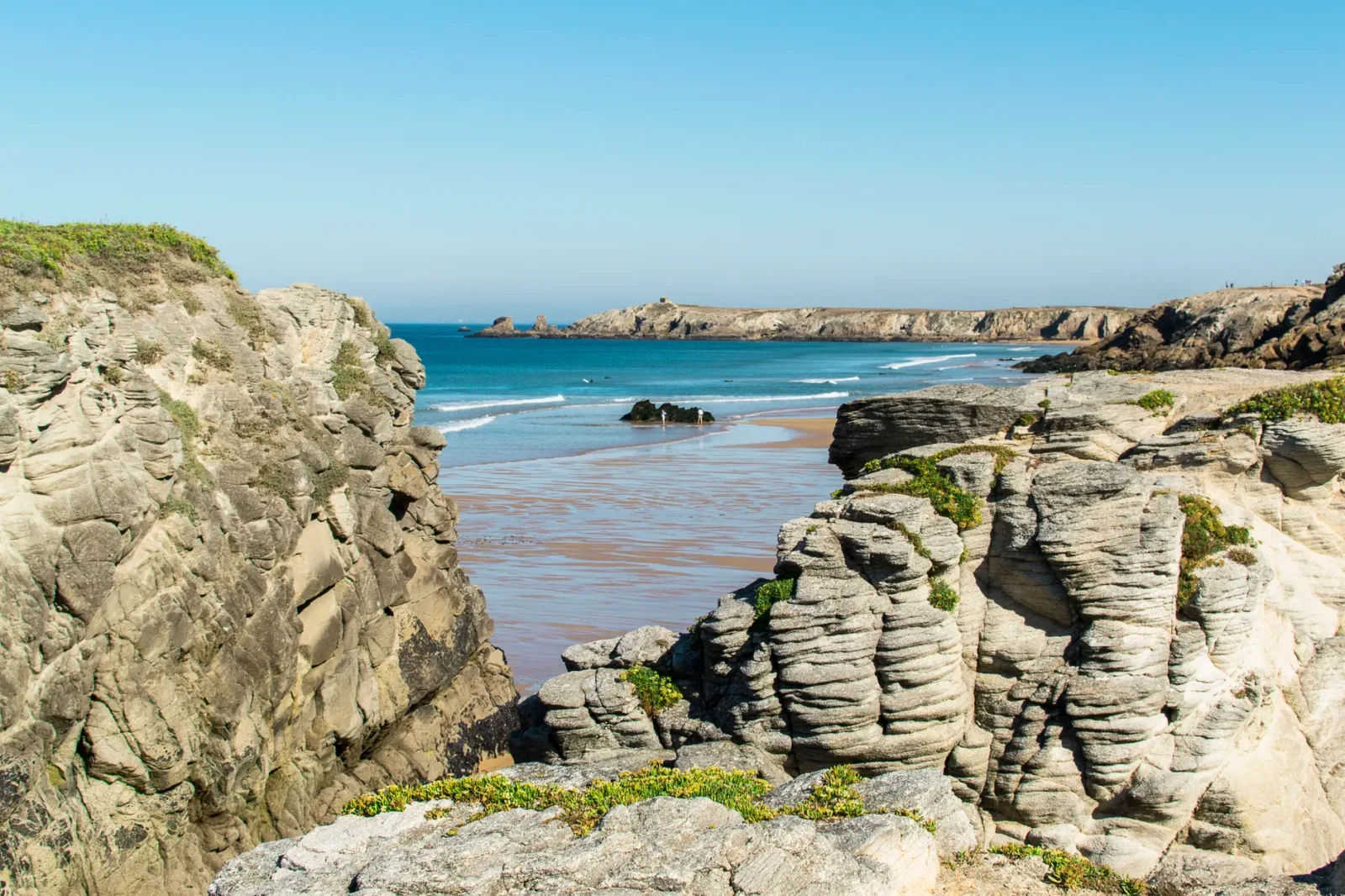
Eluanbi Lighthouse marks the southernmost point of Taiwan and is worth including in the itinerary along with the surrounding coastal stretch. Nearby, Baisha Bay and Maobitou Park help make up the mix of sea and rock that many people seek in Pingtung: one stop for the beach, another to take in the wind- and erosion-sculpted terrain.
In Hengchun Old Town, the appeal lies less in the scenery and more in the historical layer. The walls still help you read the old city and make sense for anyone who wants to include a compact urban core among the coastal visits. If you have little time, Hengchun works well as a base for combining heritage and coastline in the same day.
For those who want to fit culture and marine life into the same itinerary, the National Museum of Marine Biology and Aquarium deserves attention, as do the Taiwan Indigenous People’s Culture Park and the Liudui Hakka Cultural Park. They broaden the county’s appeal beyond the beaches, showing how Pingtung blends ecology, local peoples, and regional memory. Dapeng Bay comes in as a more open coastal landscape stop, while Xiaoliuqiu deserves its own place in the itinerary: it is a coral island and usually does not work as a rushed visit.
Local food and agricultural products of Pingtung
Pingtung appears on the plate with the same mix that defines the county: warm-climate agriculture, local production, and cuisines from diverse origins. Among the products most associated with the region are wax apple, lemon, and mango, as well as roses, onion, coffee, and cocoa. This set says more about Pingtung than a generic list of “local flavors”: the agricultural landscape changes with the terrain and climate, and this shows up both in fresh ingredients and in processed products that are gaining ground.
The table also reflects the county’s multicultural makeup. In different townships, flavors change with the presence of Hokkien, Hakka, indigenous, and new immigrant communities. For those who want to taste the city rather than just “eat well,” this makes a difference: each area tends to favor its own preparations and seasonings, and the contrast is clear in markets, small eateries, and street stalls.
At Pingtung Night Market, it is worth looking for dishes that appear frequently in the local repertoire, such as turkey rice, swordfish soup, and beef noodles. This is not a route centered on a single specialty; the interest lies precisely in comparing what the market serves with what the region produces. If you want to organize stops by flavor, think in two directions: what comes from the land, such as fruits and agricultural products, and what comes from the everyday table, where these dishes are served without ceremony.
If there is room left in the food itinerary, also notice how coffee and cocoa have been joining what the county has long produced. They help explain why Pingtung does not work as a destination with just one “signature dish.” Here, the most useful approach is to choose where to eat based on the kind of atmosphere you want: night market for quick variety, neighborhood spots for everyday food, and rural products to take something from the county beyond the meal.
Local culture, county peoples, and festivals throughout the year
The cultural life of Pingtung County changes from township to township. There are Hokkien communities, Hakka, indigenous peoples, immigrants from various provinces of China, and new immigrants, and this shows up in everyday language, food, and local practices. In some places you will hear more than one dialect on the same trip, and that is part of the county experience, not an exception.
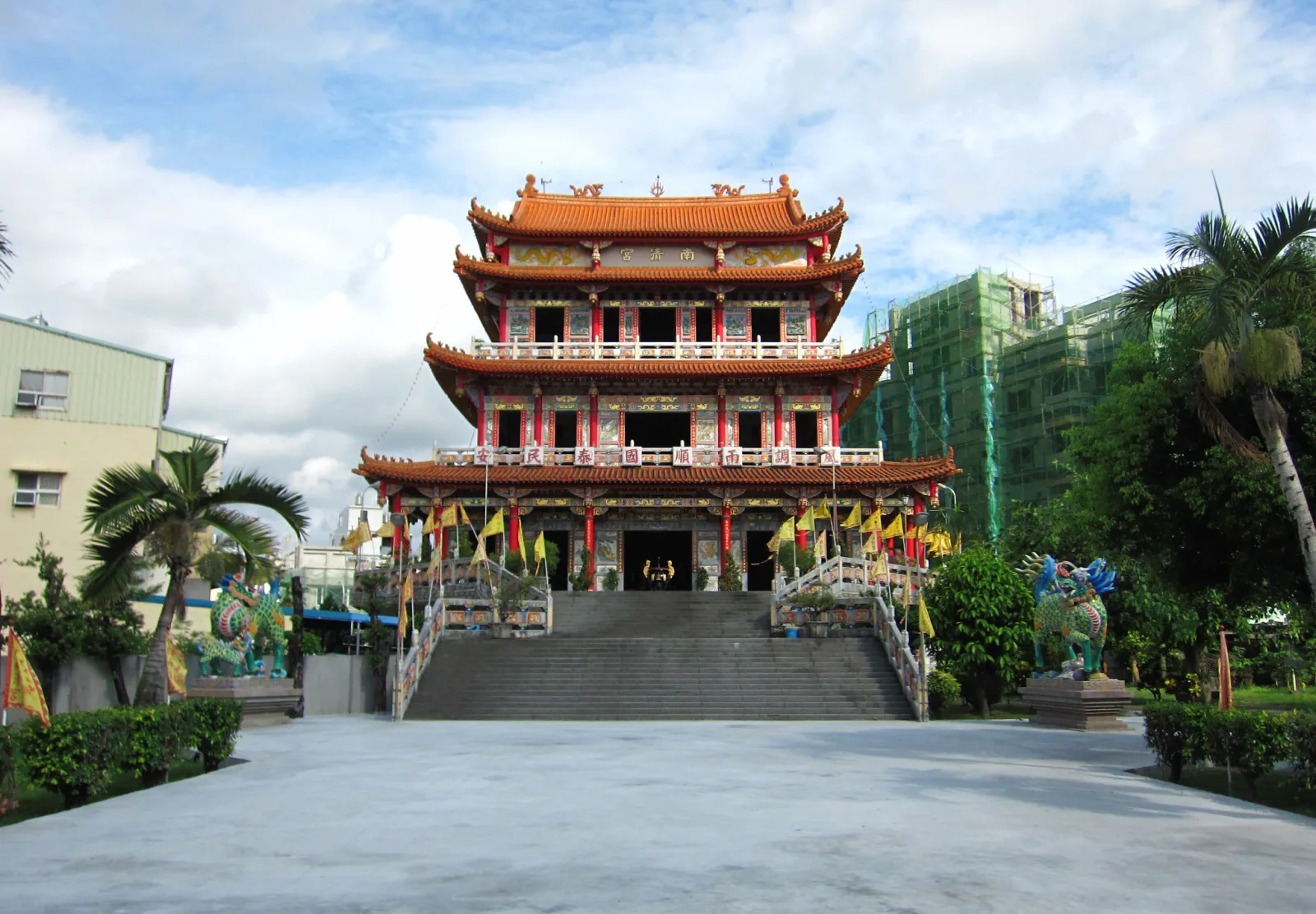
The Hakka villages and indigenous settlements help make sense of this mix on the map without requiring an academic itinerary. It is worth noting where they are when you plan your route, because each area tends to preserve its own habits and a specific local calendar. Pingtung also concentrates cultural spaces linked to these communities, such as the Taiwan Indigenous People’s Culture Park and the Liudui Hakka Cultural Park, which work well as an entry point to this side of the county.
The annual calendar also weighs on the decision of when to go. At the beginning of the year there is a spring music festival; then comes the black tuna season, which connects with coastal life; at another time, the Welcome Royal Lord Festival takes center stage in local life; and, at the end of the year, hot spring season takes the spotlight. If you want to combine travel and events, it is worth checking the updated dates before finalizing your itinerary, because these celebrations follow the rhythm of the year and do not always fall in the same period.
For those who like to observe culture rather than just “pass through it,” Pingtung works best when you fit at least one village, one Hakka village, and one festival into the same itinerary. That is when the county stops seeming like a set of disconnected areas and starts making sense as a single destination.
Frequently asked questions
Where is Pingtung County?
Pingtung County is located at the southernmost tip of Taiwan, between Kaohsiung and Taitung. The county has a long territorial stretch and areas of plains, mountains, and coast.
What is the best base for staying in Pingtung County?
Pingtung City is the most practical base for services and connections. Hengchun Township makes more sense for those who want to stay close to Kenting and the southern tip of the county.
How do you get to Pingtung County without a car?
It is possible to get there by train via TRA to Pingtung City and continue by bus to other areas. For Hengchun and Kenting, buses usually handle the final stretch well.
What is the best time to visit Pingtung County?
The milder months between December and March tend to be more comfortable for outdoor activities. Between April and November, the heat is stronger and the itinerary calls for more attention to hydration and sun protection.
What is there to do in Pingtung County besides the beach?
The county has trails, hot springs, viewpoints, bike paths, and cultural spaces. You can combine Kenting, Xiaoliuqiu, Sichongxi Hot Spring, Hengchun Old Town, and museums related to local culture.