Ollantaytambo: how to get there, what to do, where to stay, and how to fit the town into your itinerary
Ollantaytambo in your itinerary: see how to get there, what to do, where to stay, and how to use the town as a base for Machu Picchu.
Why include Ollantaytambo in the Sacred Valley itinerary
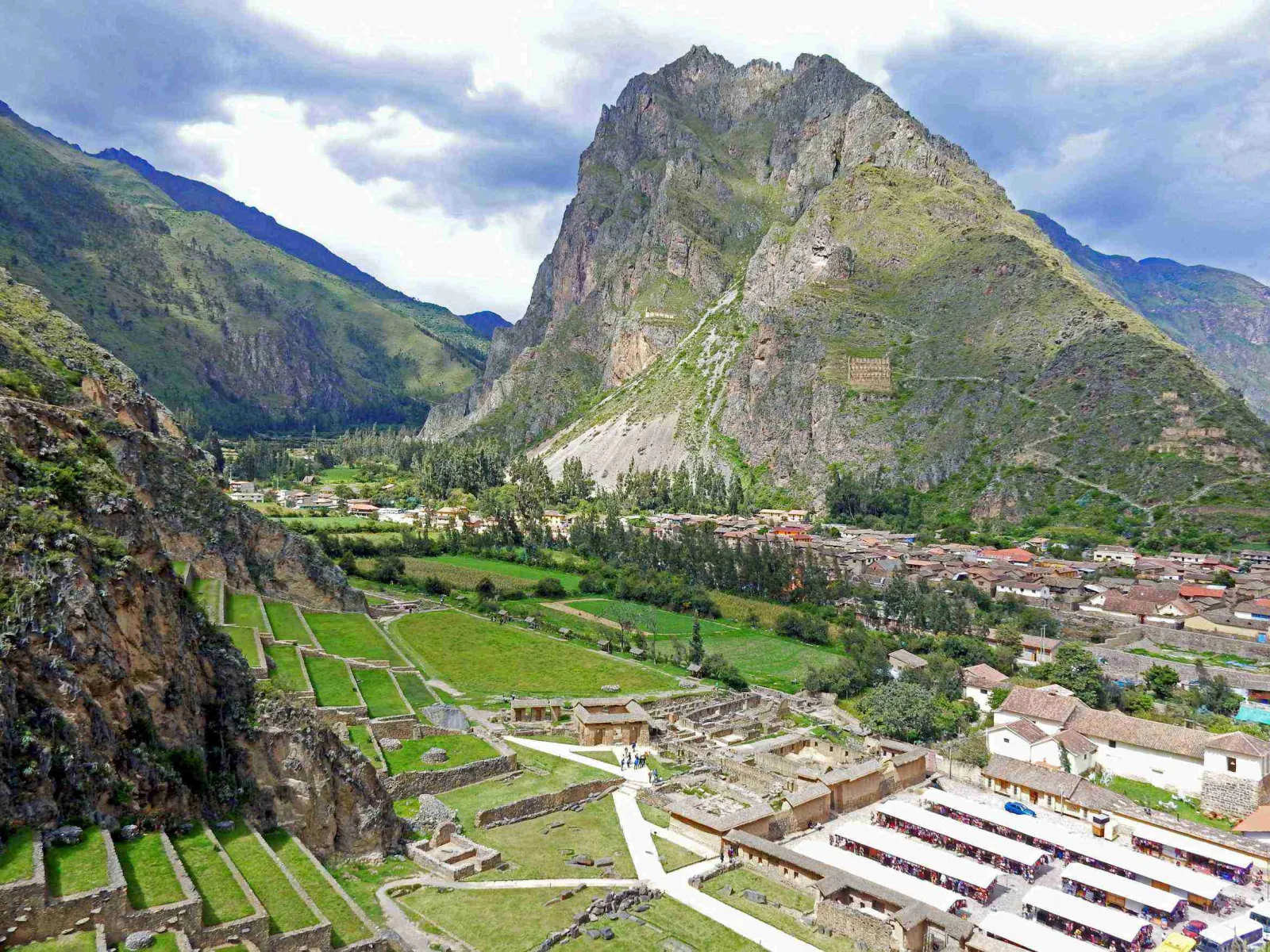
Ollantaytambo is in the Sacred Valley, about 60 km from Cusco, and functions at the same time as a town and an archaeological site. That already explains why it fits so well into the itinerary: you see a inhabited historic center, with enough tourist infrastructure for an overnight stay, and, at the same time, an important Inca complex of great historical significance right above the urban area.
For those organizing the trip with few transfers, Ollantaytambo solves two things at once. It serves as a natural stop along the route through the Sacred Valley and also as a practical point to continue the trip toward Machu Picchu, since it is the closest town in the region with a train station. This combination usually makes a difference for those who want to avoid rushing on the day of the visit or prefer to sleep closer to the departure point.
The town also helps for another reason: it does not rely only on the ruins to justify the stop. The old streets, the preserved layout, and the local movement give context to the archaeological site and make sense for a visit that is not just quick and photographic. If you are putting together the Sacred Valley itinerary and need to cut or include a stop, Ollantaytambo tends to be one of the most practical decisions.
How to get to Ollantaytambo
The easiest way to get there is by taxi departing from Cusco. The car picks you up at the agreed meeting point, and the price is usually negotiated before departure. For a day trip through the Sacred Valley ending in Ollantaytambo, the quoted range is around 100 to 120 soles per day. It is the most practical option when you want to control the schedule and go straight to the station or your accommodation.
If you want to spend less, there are collective transport/buses that leave from the terminal near the corner of Calle Pavitos and Av. Grau in Cusco. They depart when full and run from early morning. The trip takes about 2 hours and the fare costs around 10 soles per person. It is the most economical alternative, but less predictable, because it depends on how full it is.
Private transport is a good option for those who want more comfort and do not want to depend on stops or tight schedules. The idea is the same: leave Cusco and end the route in Ollantaytambo, with the rest of the trip already arranged from there. An excursion combines transportation with a guide, and works well for fitting Ollantaytambo into the Sacred Valley without returning to Cusco the same day.
Choosing Ollantaytambo as the final point of the route makes sense when the next step is to catch the train. The town is the most practical base for continuing your trip without rushing, and that matters more than any small savings on transportation. If you plan to spend the night there before Machu Picchu, it is worth booking transportation and the train in advance, especially during busier periods.
Editorial transparency: Some links on this page are affiliate links. We may earn a commission at no extra cost to you. This does not influence our recommendations.
How Long to Stay in Ollantaytambo
If your itinerary is tight, a half-day visit is enough to cover the essentials: walk through the center, take in the pace of the square, and continue on without too much rush. This works well for those arriving the same day and wanting to use Ollantaytambo as a practical stop in the Sacred Valley.
Spending the night changes the experience quite a bit. You gain room to move around more calmly, see the town at less crowded times, and avoid the feeling of a rushed visit before the next leg of the trip. It also helps a lot if the plan is to leave early the next day, since it removes the need to travel on the same day.
Staying more than one night only makes sense if Ollantaytambo serves as a base for exploring the Sacred Valley with less hotel switching and less travel between towns. In that case, the decision depends on your pace: if you like taking long breaks, sleeping there is more useful than trying to fit everything into a day trip. If the priority is to move quickly through the itinerary, the town works well as a stopover with just one night.
What to do in the historic center and in Plaza de Armas
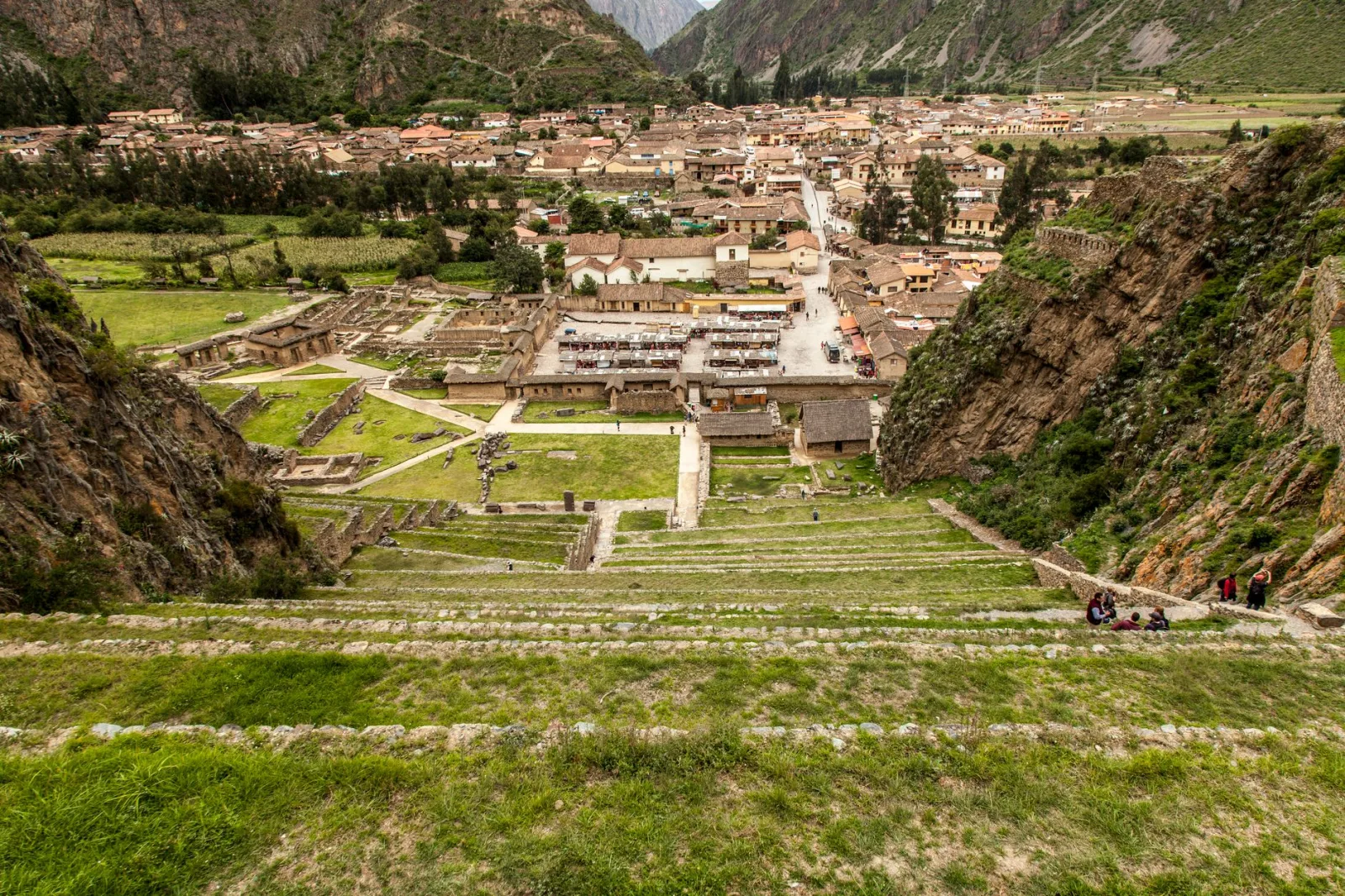
Walk unhurriedly through the cobblestone streets of the old center and notice how the city still functions on layers from different eras. In several stretches, Inca foundations remain visible beneath later buildings, and water channels run along the streets, with the constant sound of the flow accompanying the walk. The interest here lies less in “seeing everything” and more in noticing these details along the way from one corner to another.
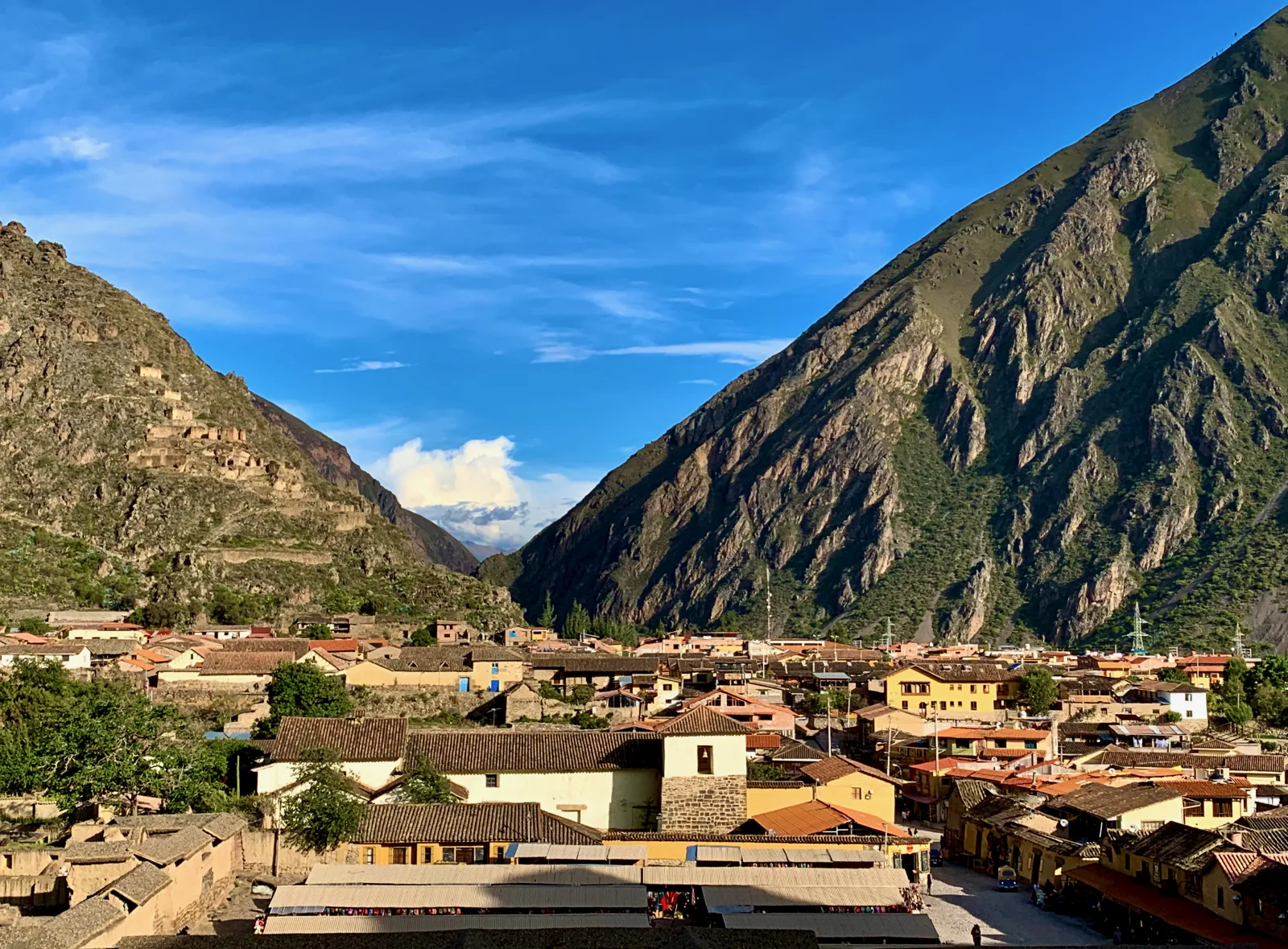
Plaza de Armas concentrates the daily movement, with benches, local circulation, and people stopping to rest. Around it, the artisan market occupies a communal space and brings together typical travel items, from clothing to blankets and assorted souvenirs. If you plan to buy something, it is worth comparing before closing the deal; prices usually vary quite a bit, and bargaining is part of the experience. A few steps away, the Virgen Asunta central market is the most useful place to observe the city’s routine and buy fruit or snacks.
The side streets offer more than the main axis. They better show the wooden doors set into stone frames and the continuity of the old layout, with less foot traffic. It is the most interesting stretch for those who want to feel the city at a normal pace, without relying on a fixed itinerary.
How to visit the archaeological site of Ollantaytambo
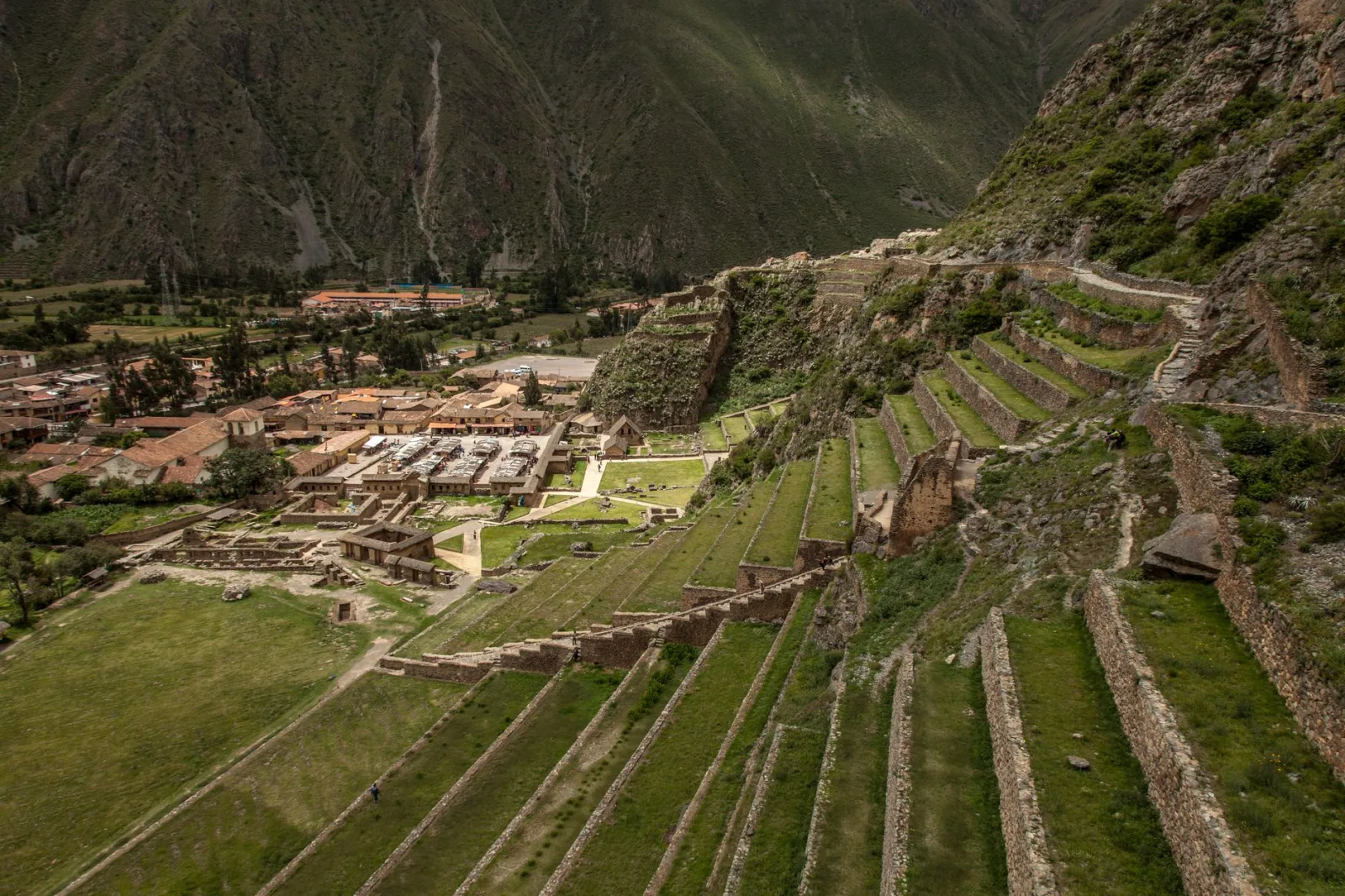
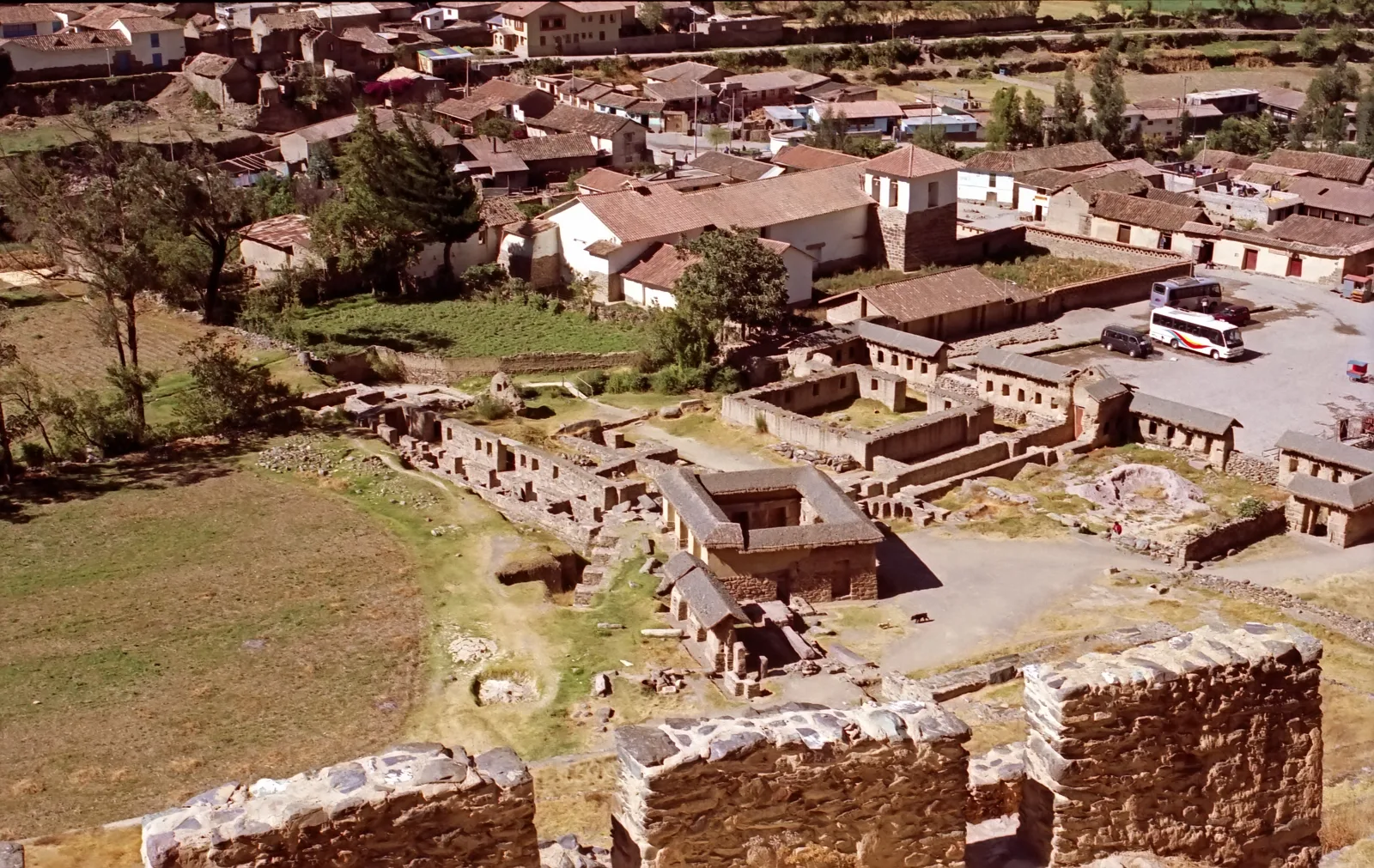
The archaeological complex of Ollantaytambo occupies a hillside and brings together agricultural, administrative, religious, and military sectors. The visit is easier to understand when you climb at a relaxed pace and see how the complex was organized to take advantage of its elevated position and control the valley. The agricultural terraces are arranged in sequence, while the ceremonial area concentrates the most architecturally significant points of interest.
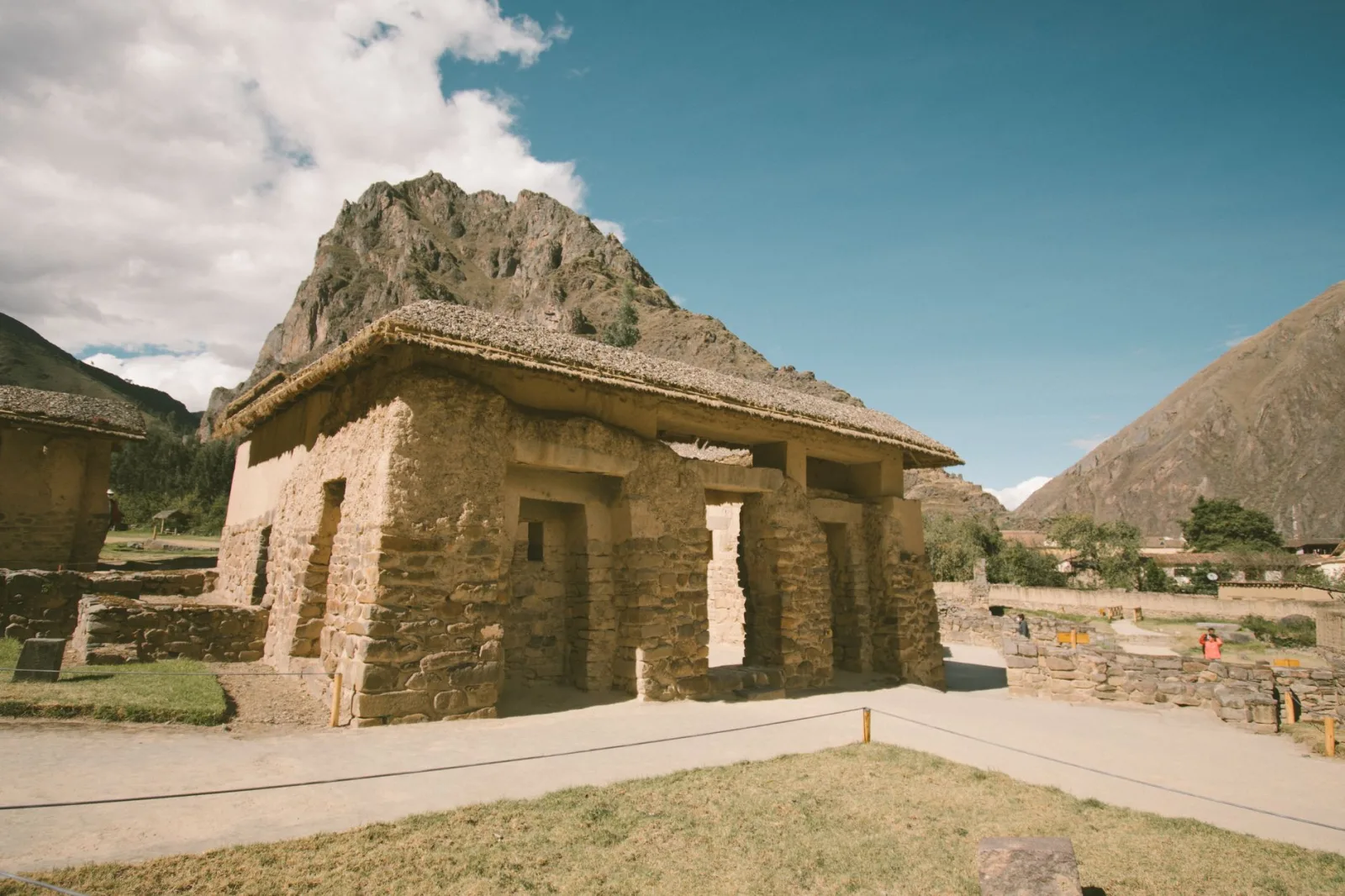
The climb is made via wide steps and requires stamina, especially because of the altitude. Set aside between 1 and 2 hours for the visit, including the internal walk and time spent observing at the top. Access is usually busier after 11 a.m., when day tours arrive; early in the morning and late in the afternoon the flow tends to be lighter, and the light also helps with photography. The site is open daily from 7 a.m. to 6 p.m., and entry requires the Cusco Tourist Ticket; there is no separate ticket just for the ruins.
At the top, the main ceremonial axis is the Temple of the Sun, with its large, tightly fitted pink granite blocks. The descent can be made along a side trail, which leads to the valley and allows you to continue to the Temple of Water and its ceremonial fountain. If you want to avoid crowds and walk more calmly, arriving early makes a difference; at the end of the afternoon, in addition to having fewer people, the complex is also easier to photograph without so much interference in the framing.
The ascent to the Pinkuylluna storehouses
The trail to Pinkuylluna leaves from Calle Lares, one block from Plaza de Armas. At the trailhead, you will find the stairs and the sign with the name of the place. Access is free, but the climb charges its price in effort: the stretch is steep and the altitude weighs more than it seems on the map.
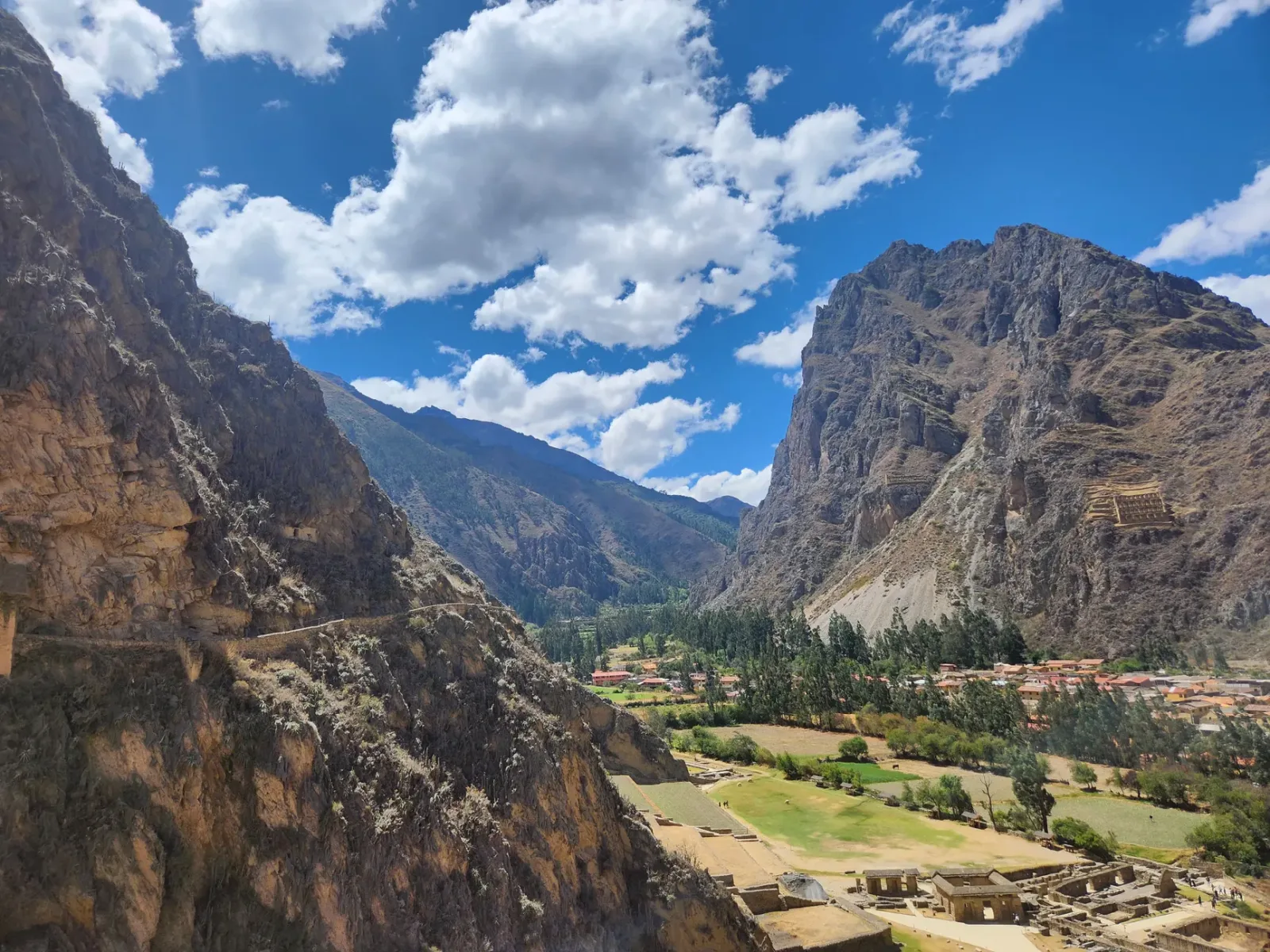
Allow about 30 to 45 minutes to reach the top. The pace depends on your breath and the pause you take along the way. If you want to climb without suffering unnecessarily, it is worth going slowly from the start; the descent also calls for attention, because the ground is uneven.
The Pinkuylluna storehouses are ancient storage silos, grouped in three levels on the slope, about 600 meters above the Vilcanota River. The logic of the place was simple: height, cold, and wind helped preserve food for longer. Nearby, there is a rock formation associated with the face of Viracocha, also visible from the ruins on the other side.
Visiting hours are from 7 a.m. to 4:30 p.m. Going early helps avoid the strongest heat and makes the walk more comfortable. At the top, the view over the valley rewards the effort, especially because the natural lookout lets you see the geometry of the mountain and the layout of the city below at your own pace.
Where to stay in Ollantaytambo
For those who are going to sleep in Ollantaytambo, the most practical choice is usually to stay near the station or the city’s central axis. This makes it easier to leave early for the train and avoids depending on transfers in the early morning hours. In high season, between June and September, demand rises and availability drops; booking in advance makes a difference even for simple accommodations.
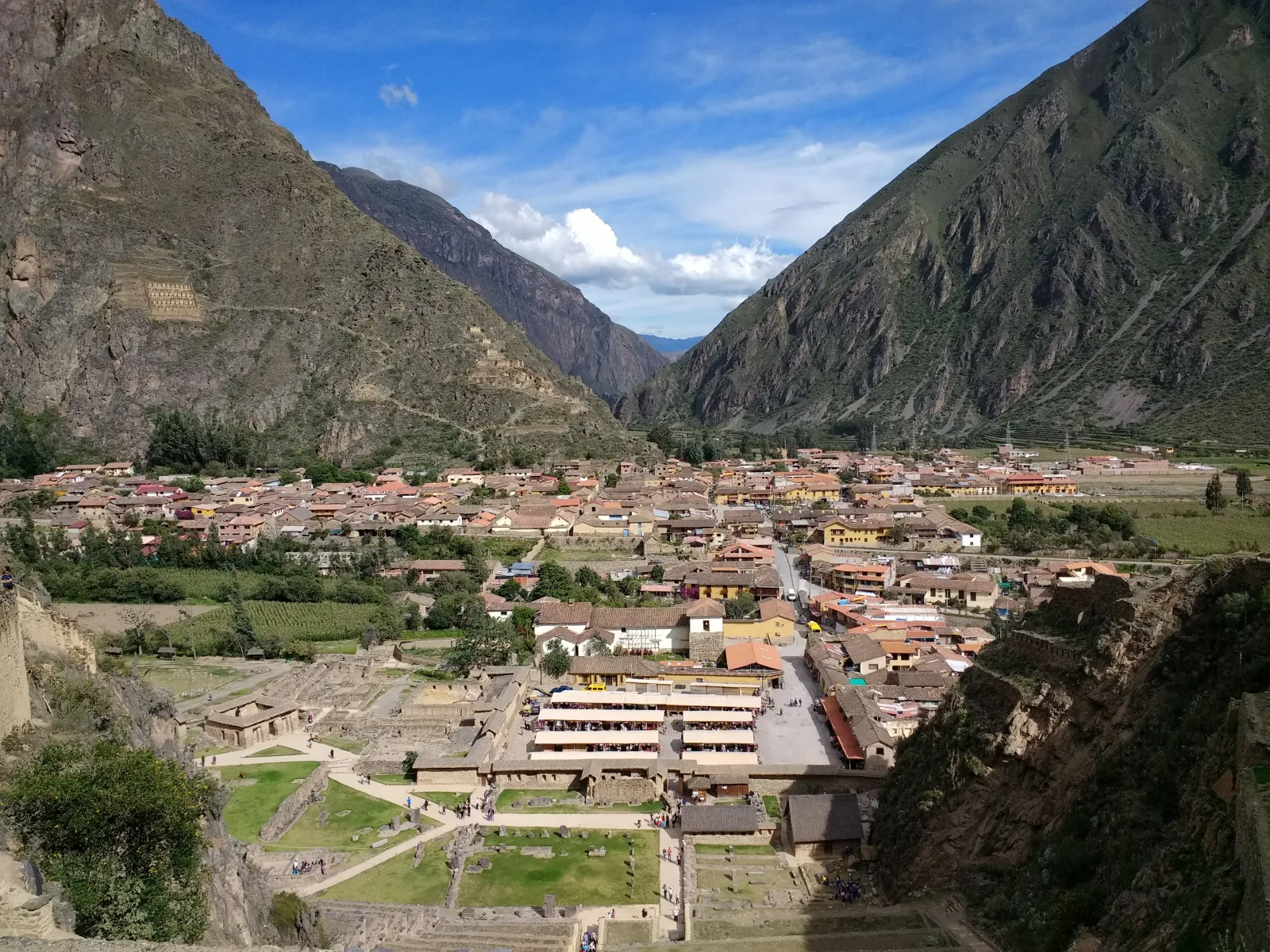
Pensions and small hotels make up a good part of the offer. They are the most logical option for those who want a functional place, with straightforward check-in and a short walk to the central area. If the priority is to catch an early train, it’s worth first checking the location on the map and the breakfast policy, because leaving without improvisation usually matters more than any style detail.
There are also more unconventional accommodations, designed for those who are willing to give up practicality in exchange for a different experience. This group includes options like Skylodge Adventure Suites and Vertical Sky Luxury Suites, with overnight stays in transparent capsules and access that requires extra effort. These are not choices for everyone, nor for those who want to wake up and walk to the station.
If you want a short, hassle-free base, choose something central. If you’ll stay more than one night, it’s worth looking for accommodation with good walkability and booking early, because in Ollantaytambo the combination of a small town, seasonal flow, and boarding for Machu Picchu fills up the fastest options first.
Where to eat in Ollantaytambo
The gastronomic offer in Ollantaytambo follows the rhythm of the town: small restaurants, establishments geared toward tourist traffic, and a few simpler places, where the focus is on the dish rather than the setting. Among the options mentioned are Hearty Traditions, Don Dante, and La Casa del Sol, names that come up frequently when looking for an uncomplicated meal in the central area.
The most sensible choice here is to go with what makes sense for the place. Andean and regional dishes tend to deliver better results than generic tourist-menu orders. It is worth looking for preparations based on corn, potatoes, quinoa, and local meats, as well as soups and stews, which pair better with the altitude and the region’s climate. Seafood, on the other hand, is usually not the most coherent choice far from the coast.
For drinks, the logic is the same: prioritize what appears frequently on the Andean table, such as chicha and other local beverages, and leave the more standardized drinks for when there is a clear reason. In several restaurants in the town, the menu caters to those who want to eat quickly before continuing their trip, but also to those who prefer to sit down calmly and enjoy a fuller meal.
If the idea is to decide without error, first look at the main dish and how busy the place is. In Ollantaytambo, that usually says more about the experience than any storefront description.
How to get from Ollantaytambo to Machu Picchu
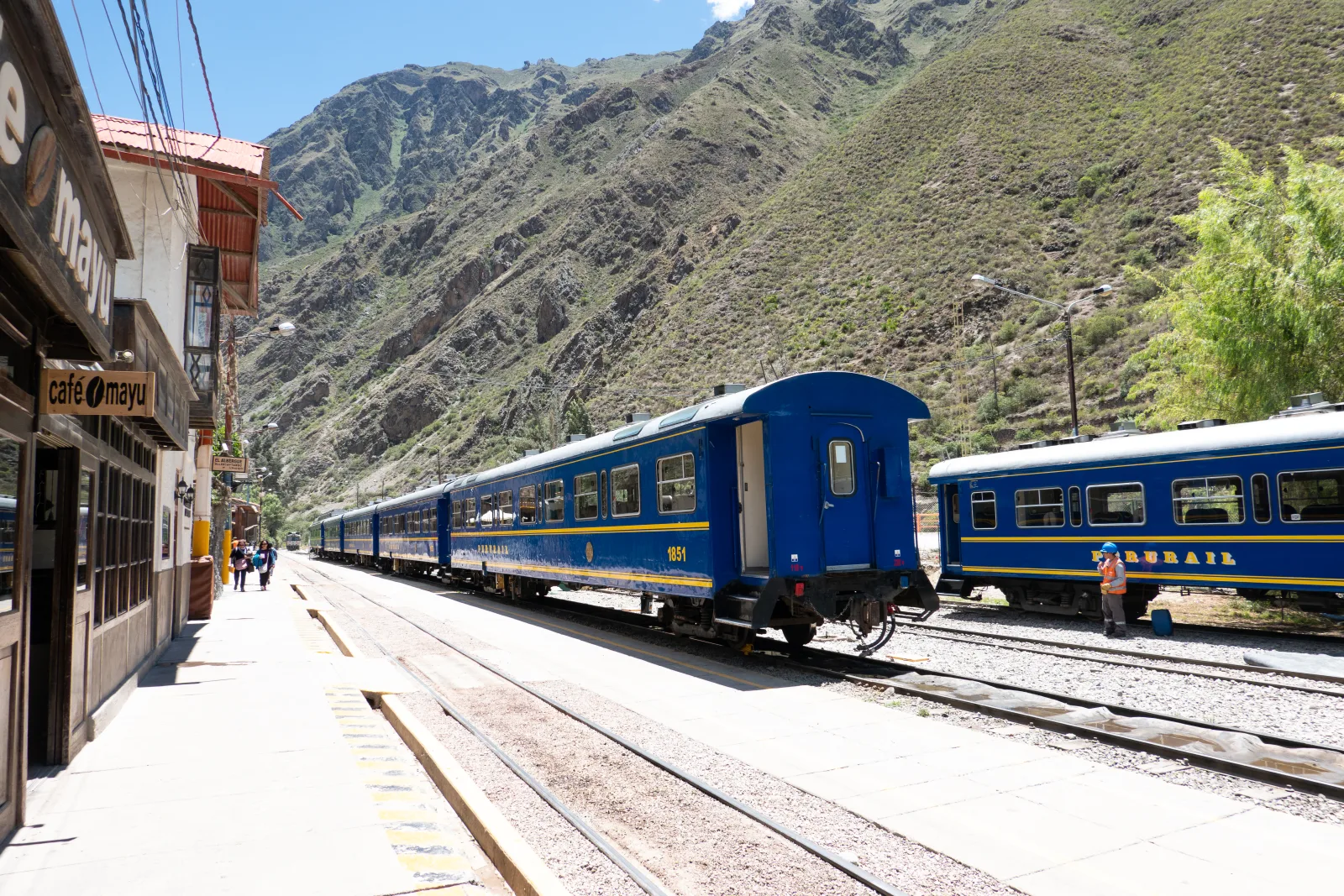
The train that connects Ollantaytambo to Aguas Calientes is the most commonly used section for those heading to Machu Picchu. The practical advantage is simple: you board at the most convenient point in the Sacred Valley and avoid having to return to Cusco before the trip. This usually works better for those who want to spend the night in Ollantaytambo the day before and leave without rushing the next day.
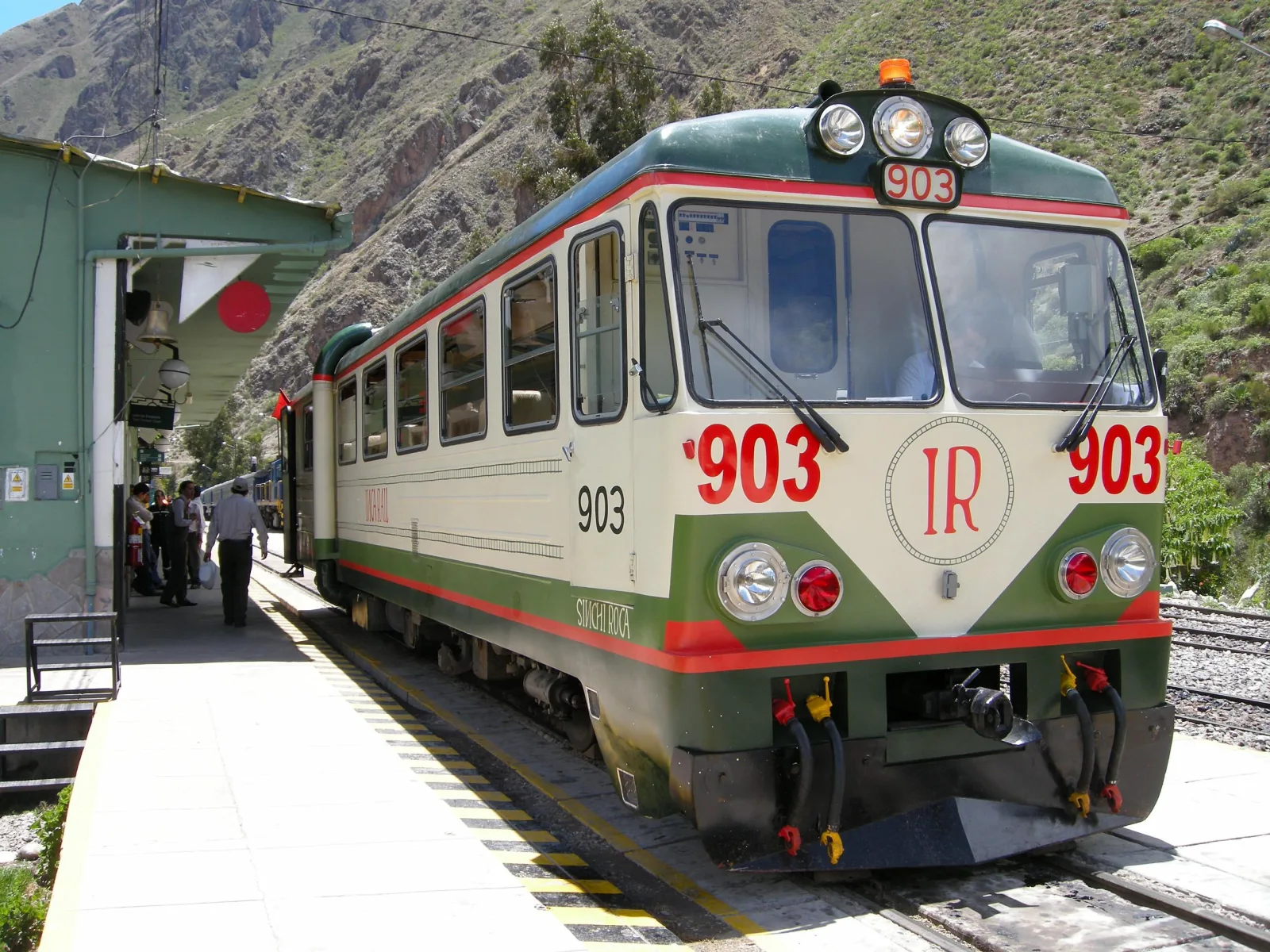
The comparison with Poroy is precisely about logistics. Poroy may make sense on other itineraries, but Ollantaytambo is usually the more efficient choice when the idea is to fit Machu Picchu in at the end of the journey through the Sacred Valley. The station is along the natural route of the previous leg of the trip, which reduces extra transfers and makes it easier to combine accommodation, train, and visit in the same flow.
Buy your ticket in advance, especially if you plan to travel on busy dates or at more sought-after times. The same applies to those who will use Ollantaytambo as a base before moving on: the town works well for sleeping, keeping departure organized, and avoiding relying on last-minute availability. If your trip includes the Inca Trail, handle the reservation with even more attention, because the starting point requires advance planning.
Frequently asked questions
How long should you stay in Ollantaytambo?
Half a day lets you see the center and part of the archaeological site. Staying one night helps you do everything more calmly and makes it easier to leave for Machu Picchu.
How do you get to Ollantaytambo from Cusco?
The most practical options are taxi, collective transport/bus, private transport, or a tour. The bus ride takes about 2 hours, and the taxi is usually arranged before departure.
Is it worth sleeping in Ollantaytambo before going to Machu Picchu?
Yes, especially if you want to board the train without rushing. The town is a practical base for continuing your trip the next day.
Does the archaeological site of Ollantaytambo require a separate ticket?
No. The visit requires the Cusco Tourist Ticket, and the site is open daily from 7 a.m. to 6 p.m.
Where does the trail to Pinkuylluna start?
The trail starts on Calle Lares, one block from Plaza de Armas. The climb is steep, but access is free.