Oaxaca City Itinerary: what to do in 1, 2, 3, and 4 days
Oaxaca City itinerary to organize 1 to 4 days, choose where to stay, how much it costs, and which tours to take in the city center and surrounding areas.
How to organize a trip to Oaxaca City
Oaxaca City works well for those who check the calendar before locking in dates. The language of everyday life is Spanish, the currency is the Mexican peso, and the time zone is UTC -6, with a 7-hour difference in winter and 8 in summer compared to Mainland Portugal. In the city, the weather is warm year-round; from May to October, the rainy season sets in, and during that period the experience becomes less predictable for long outings and transfers. If you want a lower risk of rain, November to April is usually the most comfortable window. April and May tend to be the hottest months.
The choice of dates matters more in Oaxaca than in many destinations in inland Mexico. July brings Guelaguetza, with the city packed and availability strained, especially on the last two Mondays of the month. It is the time when tickets and accommodation sell out early, and it is worth booking well in advance. October and November bring Día de Muertos, one of the most sought-after periods of the year: the streets are filled with altars, comparsas, sand carpets and cemetery ceremonies, and demand rises sharply. Semana Santa, between March and April, also brings activity to the center, with processions and busier markets. In December, the Night of the Radishes draws extra visitors to the city. Outside of that, there is still a strong calendar of local events, such as the Mezcal Fair in July, the Eduardo Mata Festival and the International Book Fair between October and November, as well as the Tejate Fair, Carnaval and other festivals in communities across the state.
If the trip depends on fewer lines and less pressure on accommodation, the months from November to March are usually the easiest to fit in. If the idea is to see a specific celebration, the decision changes: in July, because of Guelaguetza; in late October and early November, for Día de Muertos; or during Semana Santa, if it makes sense for you to move around the city in that busier and more expensive atmosphere.
How to get to Oaxaca City
Getting to Oaxaca City is usually a choice between speed and simplicity. Oaxaca's international airport offers the most practical connection for those coming from other Mexican cities, especially via Mexico City or Cancún. If you're comparing flights, it makes sense to look first at these connections and see whether the layover is worth more than a long overland trip, especially when the idea is to arrive without losing an entire day along the way.
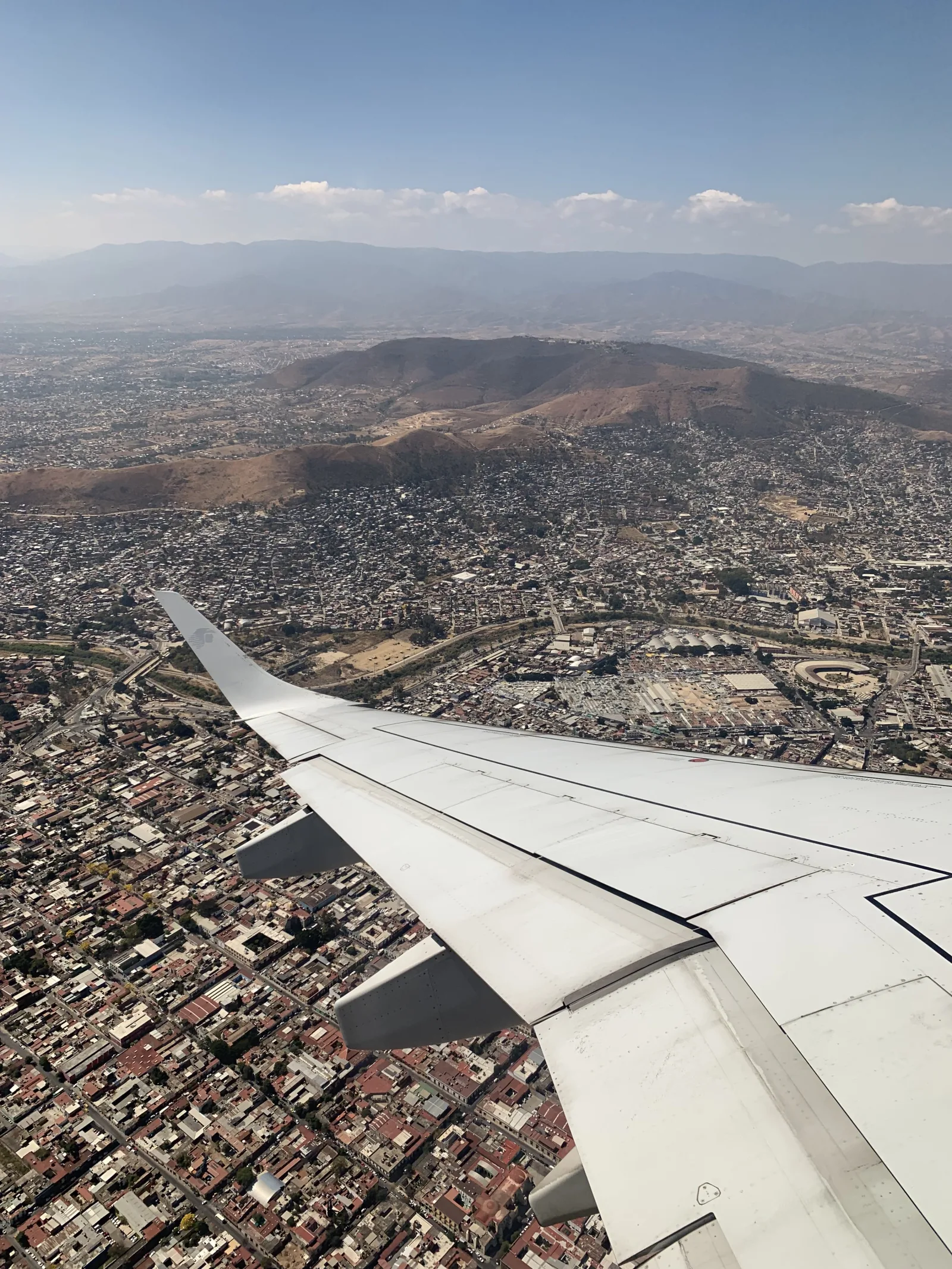
Road transportation works well for those already traveling through southern Mexico or wanting to reduce reliance on air connections. There are overland links from Mexico City, Puebla, and San Cristóbal de Las Casas. In this case, the ADO bus is usually the most direct option for those who want to avoid vehicle changes and arrive with less logistics. It is also worth comparing it with flights when the difference in time and price is small, because the road to Oaxaca can be too long to fit into short trips.
If your route already includes Puebla or the Mexican capital, the bus makes sense when you prefer to travel at night, save on an overnight stay, and accept a longer journey in exchange for fewer changes. For San Cristóbal de Las Casas, the decision depends a lot on the rest of the itinerary: by road, the connection is possible, but it usually requires more patience than a flight combined with another stage of the trip.
Before finalizing your transfer, compare two things: the total door-to-door time and the number of connections. In Oaxaca, this usually matters more than the ticket alone.
Editorial transparency: Some links on this page are affiliate links. We may earn a commission at no extra cost to you. This does not influence our recommendations.
Where to stay in Oaxaca City
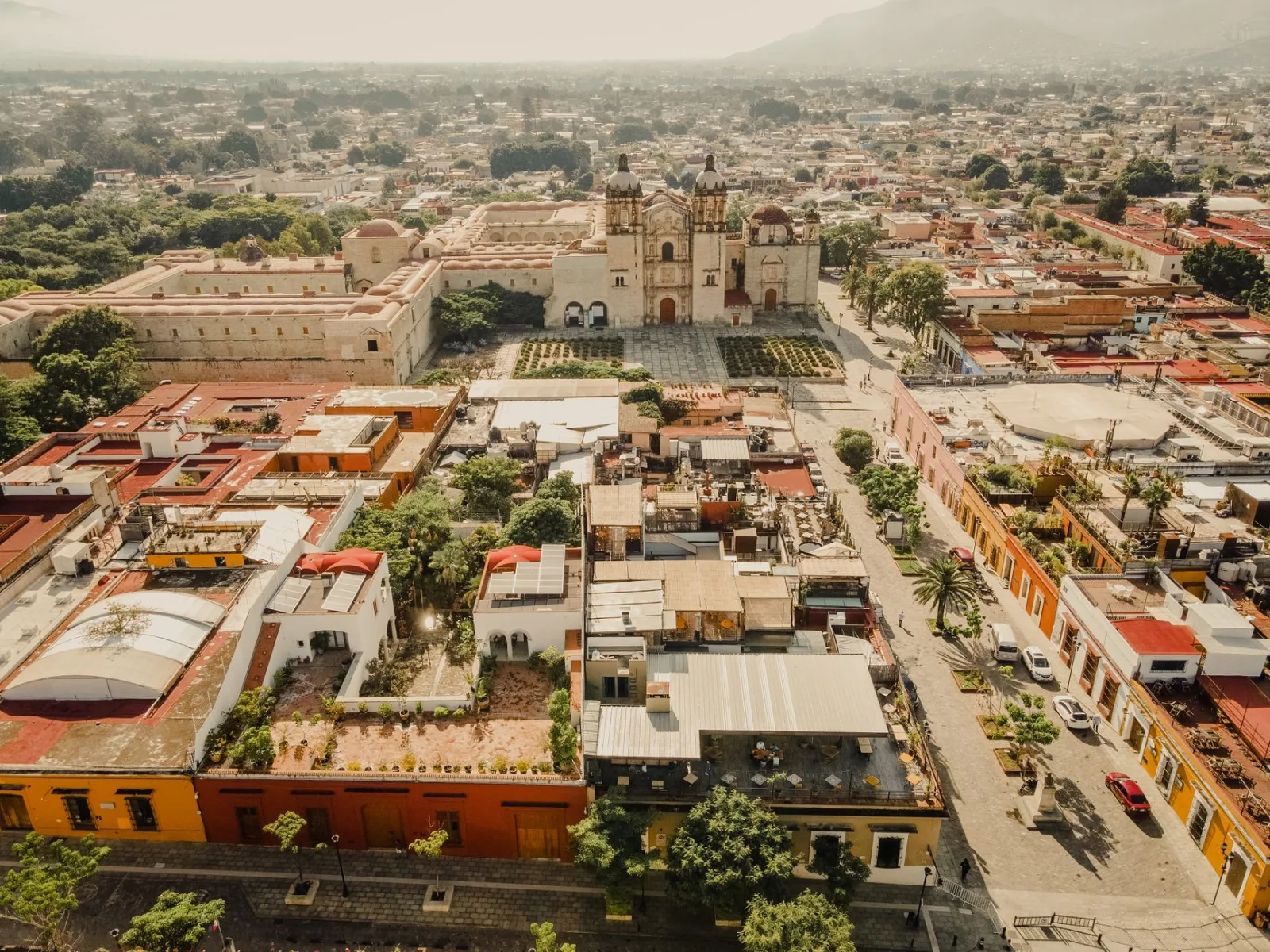
Staying in downtown Oaxaca takes care of the trip for those who want to go out on foot and come back without relying on logistics. The area works well for couples and for first-time visitors to the city, because it reduces transfers and makes it easier to fit the days in without wasting time going back and forth. In general, it is also the most practical choice for families, as long as you accept a busier environment.
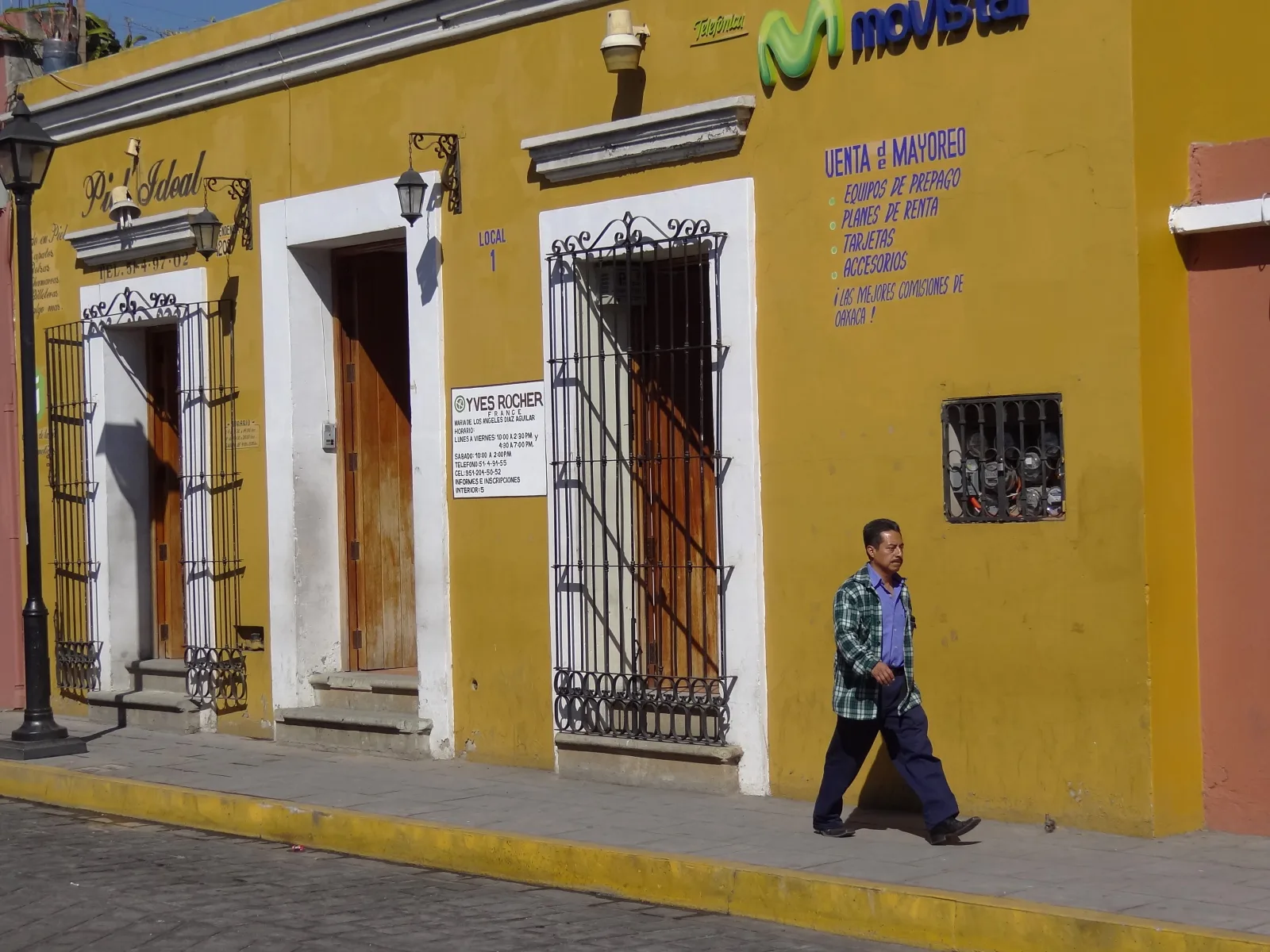
Jalatlaco calls for a slightly different profile. The neighborhood has streets with urban art and usually appeals to those who want a quieter base, with a neighborhood feel and less movement than in the central core. Couples usually like the combination of calm and proximity to the center; solo travelers find there an area that is easy to understand and use as a starting point; families may prefer it if the idea is to sleep in a less hectic setting.
If the priority is absolute convenience, stay in downtown. If you want a stay with a slower pace, without leaving the area that matters for walking, Jalatlaco makes more sense. In either case, it is worth booking early during peak demand periods, because availability tightens when the city receives more visitors.
How to get around the city and its surroundings
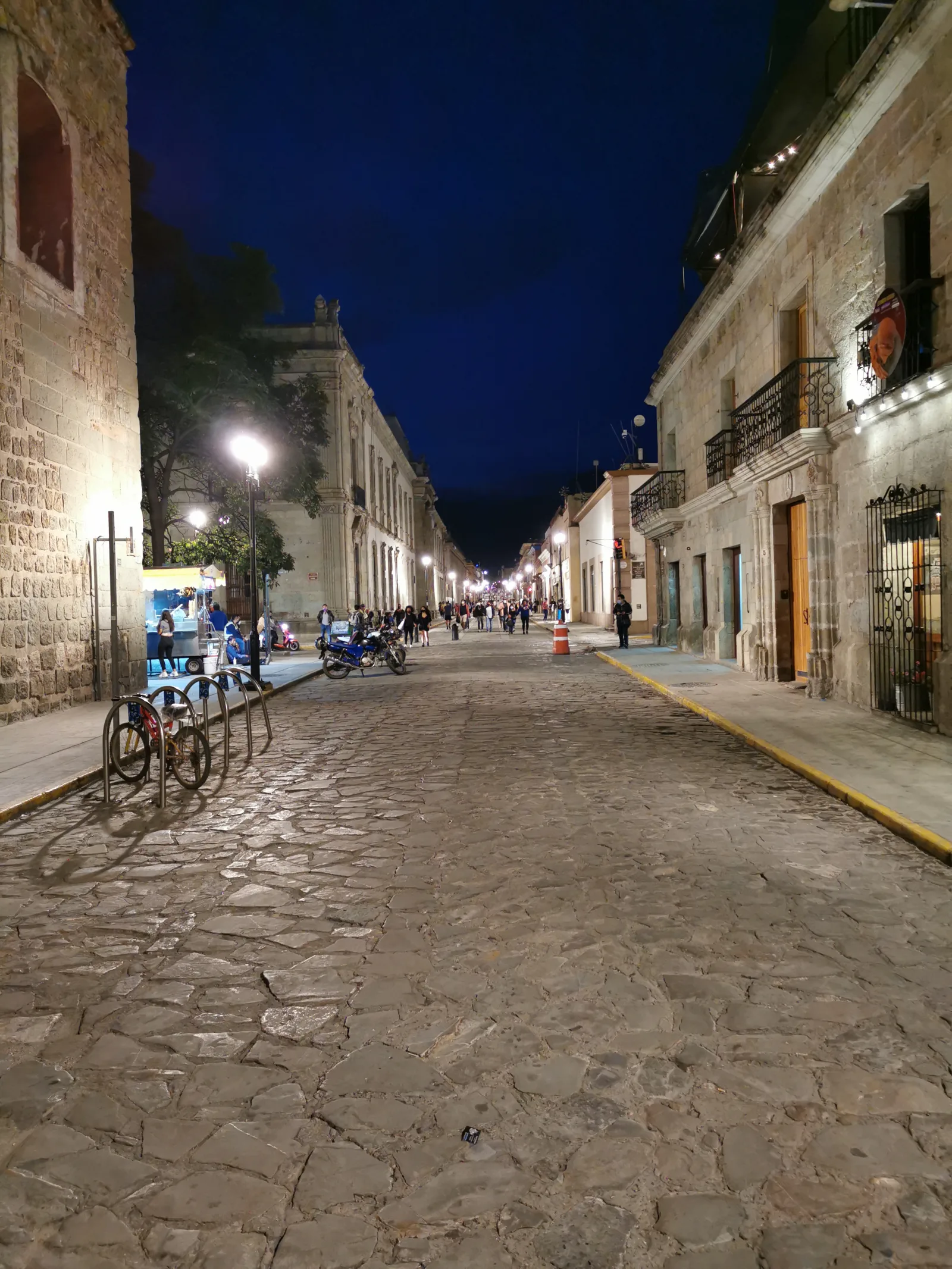
In downtown Oaxaca, walking solves almost everything. The streets most used for getting around on foot connect the central area well, and that is the simplest way to get around and see the city without relying on transportation. For short distances, the logic is this: go on foot when the route is concentrated in the historic core and leave the rest for occasional trips.
For longer routes within the city, Didi is usually the most practical option. It saves time when you want to leave the central circuit, return to your accommodation after dark, or avoid unnecessary transfers. On a short stay, it is worth having it installed before you go out, because this reduces friction when calling a car.
In the surroundings, the choice depends on how much you want to control schedules and autonomy. Public transportation works for those who accept simpler logistics and a modest budget, without rushing. A rental car makes more sense if you plan to organize the day on your own and string together several trips outside the city. Organized tours work better when you want a solution without extra coordination and prefer to leave the itinerary ready-made.
If your idea is to combine the city and the surrounding area, think of it this way: on foot for the center, Didi for the more inconvenient urban trips, and, to leave the city, choose between local bus, car, or organized tour depending on the level of autonomy you want to maintain.
What to do in Oaxaca City in 1, 2, 3, and 4 days
If you only have one day, focus your visit on the historic center and let the pace shape the rest. Start at the Zócalo, take in the square at a leisurely pace, and continue along the Andador Turístico, which concentrates the city’s easiest-to-read axis on foot. In the same block, fit in the Jardín Etnobotánico, which works best when you are not rushing between one commitment and another. With that, the foundation of the day is clear: central square, a short walk, and a calmer visit to a place that calls for attention.

With two days, keep the first day in the center and use the second for Jalatlaco. The neighborhood has its own route, more compact, and is worthwhile for the reading of the place itself: streets with urban art, low houses, and a less crowded atmosphere than the tourist core. If the first day leaned more toward the flow of the center, this second one can be looser, with fewer scenery changes and more time to walk without a map all the time.
With three days, leave the third to go deeper into the center without repeating the same circuit. Revisit the Andador Turístico area at another time of day, walk stretches you did not cross on the first day, and return to the Zócalo when the city is moving at a different rhythm. If you want to fit in something more contemplative, the Jardín Etnobotánico works well here, because it helps break up the pattern of continuous urban walking. The goal of the third day is not to accumulate points of interest, but to give more breathing room to what is already on the itinerary.
With four days, divide the city into short blocks: one day for the Zócalo-Andador Turístico-Jardín Etnobotánico axis, one for Jalatlaco, one to revisit the center more calmly, and one to fill in what was left out without forcing a schedule. This division works well for couples, families, and solo travelers, because it avoids unnecessary rushing and leaves room to adapt the pace according to the heat, crowds, and energy of the day.
Day trips from Oaxaca City
Monte Albán usually comes first because it organizes a full day well without requiring you to make it up as you go. It is the archaeological site that is easiest to combine with the city, so it works best at the beginning of the trip or on the first day outside the center. If you only have one outing, it is usually the most logical choice for understanding the region before heading off to more scattered places.

Mitla calls for a different logic. Instead of serving as the first “must-see” stop, it fits better on a day when you already want to leave Oaxaca more leisurely and see a historical landscape different from Monte Albán. The interest here lies in reading the space and the architecture, so it is worth setting aside for when you still have the energy to observe details, not just to make an appearance.
Hierve el Agua is usually the outing that changes the pace of the itinerary. It works best when you accept a longer, less urban day, because the mental shift is the opposite of the historic center: you leave the city for a natural setting and spend the entire day away. If the itinerary is short, choose between Hierve el Agua and the archaeological sites; trying to fit everything into the same rhythm usually makes the visit feel too rushed.
Other nearby outings work as a complement, not as the main focus. Use them to fill a fourth day or to replace one of the better-known excursions if you prefer less travel and more variety. If the goal is to balance the city and its surroundings, the cleanest sequence is usually: one day for Monte Albán, another for Mitla, and a separate day for Hierve el Agua. When there is room for one more visit, it should be added as a bonus, without forcing the itinerary.
Where to eat and what to try in Oaxaca City
Oaxacan cuisine is one of the reasons many people end up extending their stay. Here, eating out is not just about having a meal: it is a central part of the trip. The starting point is usually mole negro, a deep, labor-intensive sauce, served in dishes that vary from one place to another. If you want to understand why Oaxaca earned a national gastronomic reputation, that is where it makes sense to begin.
It is also worth trying everyday drinks and snacks, not just the best-known dishes. Tejate is an ancestral drink made from corn and cacao, served cold, with an earthy flavor and a distinctive texture. Chilate con tamales appears more prominently during times of greater religious activity and at more traditional tables, but it does not need to be tied to an event to make sense on your table if you come across it along the way. These are preparations that help you read the local cuisine without relying on a tourist menu.
On the street, the logic is simple: look for places with constant turnover and food made to order. Oaxaca street food stands out for its variety and its usually more affordable price, with stalls and carts that cover breakfast, snacks, or a light dinner. If you are undecided between a traditional restaurant and street food, choose based on what you want at that moment: a more time-consuming, elaborate dish, or something quick, straightforward, and less formal.
To decide where to eat, think less about a list of “best” places and more about the kind of experience you want at that meal. Traditional restaurant for mole and dishes from the pot; street food for antojitos and local drinks; markets for trying more than one thing without turning the meal into a long outing. In Oaxaca, the best strategy is usually to alternate between the three.
How much it costs to travel to Oaxaca City and what to bring
Daily spending in Oaxaca City starts at MXN 800 per person as a practical reference, but it rises quickly if you choose more comfortable accommodation or add excursions outside the city. The type of lodging weighs more than it seems: staying in the center or in Jalatlaco usually reduces indirect costs, because you spend less on short transfers and organize your day better. If your stay includes trips to the surrounding area, set aside a larger margin; these outings usually affect the budget more strongly than simple meals or isolated admissions.
To pack your bag, think about weather, walking, and self-sufficiency. Bring footwear that has already been broken in, light clothing, something for rain if you’re traveling between May and October, and a small kit with everyday items that help you avoid last-minute purchases. Good travel insurance is worth it, especially if you plan to combine the city and the surrounding area. For internet, the simplest solution is to use eSIM, if your phone supports it; the most economical route is usually a local SIM, with Telcel as a recurring option. If the trip is short and you don’t want to waste time on a physical chip, eSIM works well.
For health, there are no mandatory vaccines to enter Mexico, but a travel consultation helps confirm what makes sense in your case. It’s also a good idea to bring sunscreen, insect repellent, and a reusable bottle, because heat and changes in routine are more tiring than they seem. If you depend on your mobile phone for maps, payments, and communication, download everything you need offline before leaving the accommodation. These measures help you avoid improvising when the connection is unstable or when the day runs longer than planned.
Frequently asked questions
How many days are ideal to stay in Oaxaca City?
Four days allow you to see the center at a relaxed pace and include Jalatlaco and a trip to the surrounding area. With less time, you can prioritize the historic center and choose one day trip.
Where should I stay in Oaxaca City to do everything on foot?
The center is the most practical base for walking around and returning without depending on transportation. Jalatlaco is a good option for those who want a quieter atmosphere, but still close to the main area.
What to do in Oaxaca City in 1 day?
The best option is to focus on the historic center: Zócalo, Tourist Walkway, and Ethnobotanical Garden. That way you avoid rushing and enjoy the essentials of the city on foot.
Which day trips are most worthwhile from Oaxaca City?
Monte Albán is usually the most logical day trip. Mitla and Hierve el Agua also fit well, but the ideal is to leave each one for a separate day.
How much does it cost to travel to Oaxaca City?
The article uses a reference daily expense starting at MXN 800 per person. The amount goes up depending on accommodation and whether you include trips outside the city.