Maldives: where to stay, how much it costs, how to get there, and what to do
Maldives: see where to stay, how to get there, how much it costs, and what to do to plan the trip with accommodation, transportation, and activities in order.
Where the Maldives are and what to expect from the destination
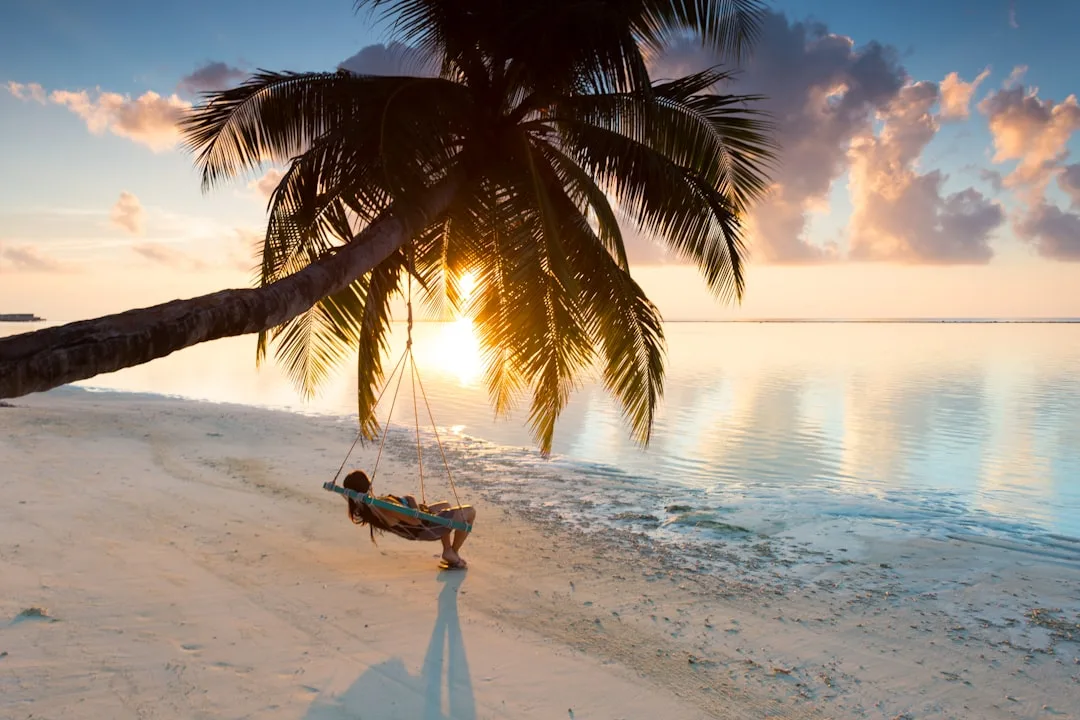
The Maldives are in the Indian Ocean, south of India, spread across an archipelago of more than a thousand islands. About 200 of them are inhabited, which already gives a good idea of the country’s scale: a lot of water, little continuous land, and communities spread across small pieces of land.
In practice, this means a country with genuine local life. There are homes, schools, hospitals, and routines on the islands where the population lives, as well as basic infrastructure that serves both residents and visitors. Tourism weighs heavily on the economy, but it does not erase the country’s everyday functioning or turn everything into a resort setting.
For travelers, the most important thing is to understand that the Maldives are not a single island or a single type of experience. Each atoll brings together islands with different profiles, and the way the country is organized affects everything: the pace of the trip, the type of accommodation, and how much you can move between regions.
This geography also explains why the destination often appears in combined itineraries with other countries in Asia and the Middle East. The Maldives are close enough to major regional hubs to work well as the main stage of a trip or as a complement to a larger itinerary.
Best time to travel and how the weather affects the experience
The most comfortable period to visit the Maldives runs from November to April. During this time of year, the sea is usually calmer and the water tends to gain that clarity that makes a difference both for those who just want to look from the beach and for those who are going to take photos. The light also helps: the sky usually cooperates more, and the images come out with better contrast.
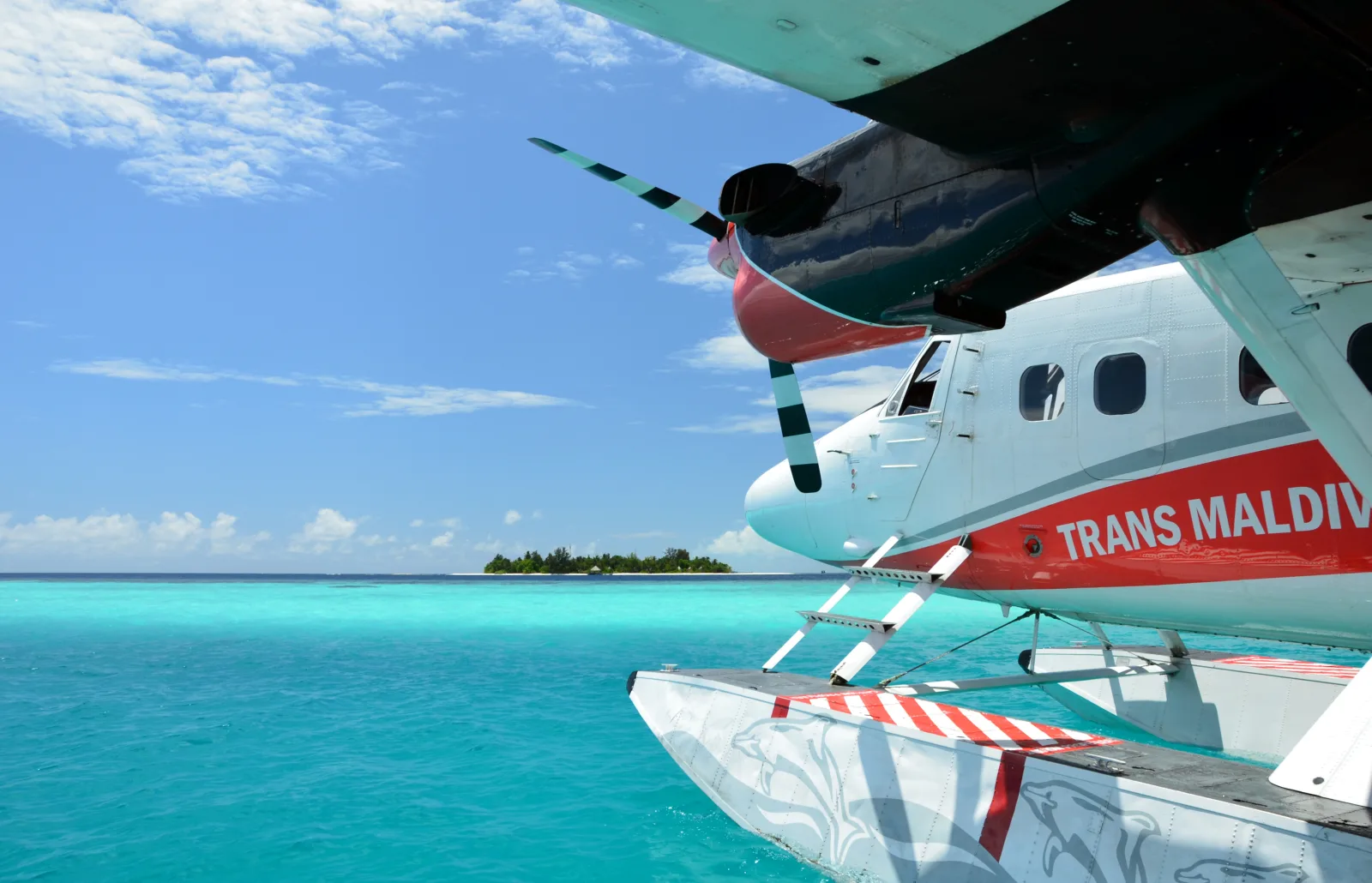
From May to October, the rainy season and stronger winds set in. This doesn’t mean the trip stops working, but the weather becomes more unstable and visibility at sea can get worse on some days. This matters especially for those who want very clear water in photos or depend on more predictable conditions to enjoy the sea.
It’s hot all year round, so the difference between one season and another is not temperature, but rather sky, wind, and visibility. If the priority is to visit the destination in its most photogenic setting, it’s worth aiming for the drier months. If the idea is to travel during a less crowded period, accept that the sea may not deliver the same color every day and follow the forecast closer to the date.
Editorial transparency: Some links on this page are affiliate links. We may earn a commission at no extra cost to you. This does not influence our recommendations.
How Many Days to Stay and How to Plan the Trip
If the trip is short, try to book five full days at the destination. Anything less makes the stay feel rushed, because you lose a good part of the time to transfers and to the travel pace itself. With this minimum, you can already fit in the arrival, a few full days at the hotel, and the departure without turning everything into a marathon.
If there is room in the itinerary, a week works better. The extra time changes the experience because it allows you to alternate pace and area, instead of being stuck in a single hotel. It also opens up room to split the accommodation between two resorts, which makes sense when you want to get to know more than one area and vary the type of stay without making the logistics too complicated.
This split is especially useful on longer trips. Instead of spending every day in the same place, you can combine a hotel closer to Malé with another in a different area, or split the stay between a resort and a public island if the idea is to save money. The benefit is simple: you compare different settings without having to put together a tight itinerary of successive changes.
To decide on the length, think about what fits your level of tiredness and what you want to prioritize. In just a few days, the best option is to focus the trip on a single hotel. With more time, it is worth spreading out the stay and leaving the schedule less rigid.
Where to stay in the Maldives: public islands, resorts, and regions
In the Maldives, the most important choice is between a public island and a private island with a resort. Public islands have local life, simpler hotels, and much lower prices. It is there that you will find villages such as Maafushi, Guli, Thulusdhoo, Rasdhoo, Ukulhas, Mathiveri, Fulhadhoo, Huraa, Dhangethi, Magoodhoo, Omadhoo and Hanimaadhoo. On the other hand, they follow the rules of a Muslim country: in general, the sale of alcohol is prohibited and, on many beaches, there are clothing restrictions. If the idea is to wear a bikini, this may not be allowed outside the designated areas.
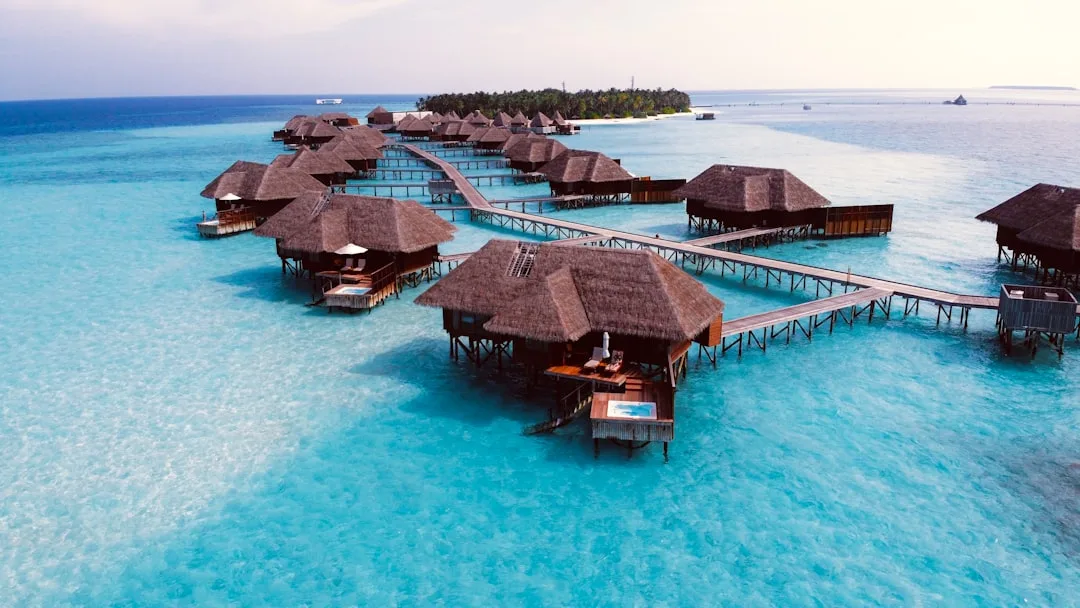
In resorts on private islands, the logic changes. The environment is more enclosed, access is controlled, and the focus is on the stay itself. There, alcohol is allowed and bikini use is permitted. This is also where the classic images of overwater bungalows are found. If you are choosing between saving money and having a more secluded experience, this is the division that really matters.
Among the atolls, the Malé Atoll is the most practical for those who want to shorten the transfer from the airport. Many resorts are as little as 30 minutes away by speedboat, which eliminates the need for a seaplane. In the Baa Atoll, the highlight is marine life and the manta ray season between May and October, with Hanifaru Bay as the most sought-after spot. The Ari Atoll is strong for diving and encounters with manta rays, turtles, whale sharks, and reef sharks; from there, some resorts are about 30 minutes away by seaplane, while others require hours by boat. The central atolls — such as Laamu, Thaa, Dhaalu and Gaafu — attract those who want more consistent waves, especially surfers, as well as good marine-life spots. In the south, Addu Atoll is much farther from Malé, and the most suitable access is by seaplane.
If you want a quick filter by profile, think of it this way: for simple logistics and short stays, Malé is usually the most convenient point; for snorkeling and manta rays, Baa and Ari work better; for surfing, the central atolls take the lead; for a more local-life-oriented experience, the public islands make more sense. Among the hotels cited as examples are *Velassaru Maldives, Adaaran Prestige Vadoo, Villa Nautica Paradise Island, Hard Rock Hotel Maldives, OBLU XPERIENCE Ailafushi, Kurumba Maldives, The Westin, Vakkaru Maldives, Four Seasons Resort Maldives, Anantara Kihavah, Radisson Blu Resort, Centara Grand Island Resort, Ellaidhoo Maldives, LUX South Ari Atoll Resort & Villas, Constance Moofushi Maldives, Six Senses Laamu, Niyama Private Islands, Park Hyatt Maldives Hadahaa, Ayada Maldives, Pullman Maldives All-Inclusive Resort, Riu Palace Maldivas and Kandima**.
Which room type to choose: beach villa or overwater bungalow
Beach villas are usually the more practical choice for those who want to spend less without giving up a resort stay. They are closer to the common areas, which makes it easier to go back and forth to the pool, restaurants, and hotel activities. They also tend to have more shade throughout the day, which helps during the hottest hours.
Overwater bungalows deliver the experience many people look for in the Maldives: direct access to the sea via the deck steps, open views, and the feeling of being surrounded by water. In some cases, privacy is excellent; in others, there may be guests moving around by kayak or snorkeling near the rooms. This varies depending on the bungalow’s location and the resort’s layout.
Another factor that matters is the room’s orientation. Bungalows facing the sunrise are usually more appealing for those who want to wake up early and enjoy the morning light. Those facing the sunset are generally more expensive and make more sense if the idea is to enjoy the late afternoon from the deck or the private pool. If the stay is short, the overwater bungalow usually justifies the extra cost; if there are more nights, the beach villa may offer better value and leave room in the budget for other travel choices.
Meals, all inclusive and extra costs at the resorts
At resorts in the Maldives, the food bill weighs more heavily than it seems in the planning. Since the private islands don’t have independent restaurants, convenience stores, or alternatives outside the accommodation, you depend on what the hotel offers. If the daily rate already includes breakfast, think carefully before booking only that: every lunch and dinner becomes an additional cost, and having something to drink throughout the day also goes on the same bill.
Full board usually makes sense for those who don’t drink or drink little and want better control over daily spending. All inclusive, on the other hand, becomes more valuable when the package rate covers beverages, meals, and, in some cases, snacks between main meal times. The point is not the name of the package, but what it actually covers. Before booking, check whether alcoholic drinks are included, whether there are time restrictions, and whether some restaurants or menu items are excluded from the plan.
In addition to the meal plan, add the charges applied during the stay. Resorts charge service fees, taxes, and environmental fees, and these need to be included in the calculation from the start, because they significantly change the final total. It is also worth paying attention to the GST, which increases starting in June 2025. Since it is a tax subject to updates, the ideal is to check the current amount at the time of booking, with everything itemized in the budget.
Anyone comparing only the daily rate risks underestimating the real cost of the resort. The best criterion is to look at the full package price, including meals and fees, and only then decide whether the half board, full board, or all inclusive option makes sense for your profile.
Tours, snorkel and day use in the Maldives
Snorkel and diving easily become part of the itinerary for anyone who wants to go beyond a basic beach swim. In several atolls, the shallow water already offers good visibility and marine life close to the beach, but the experience changes a lot depending on the region and the time of year. If the idea is to see manta rays, the name that matters is Hanifaru Bay, in Baa Atoll, between May and October. For whale sharks, turtles and reef sharks, Ari Atoll is usually one of the most sought-after spots.
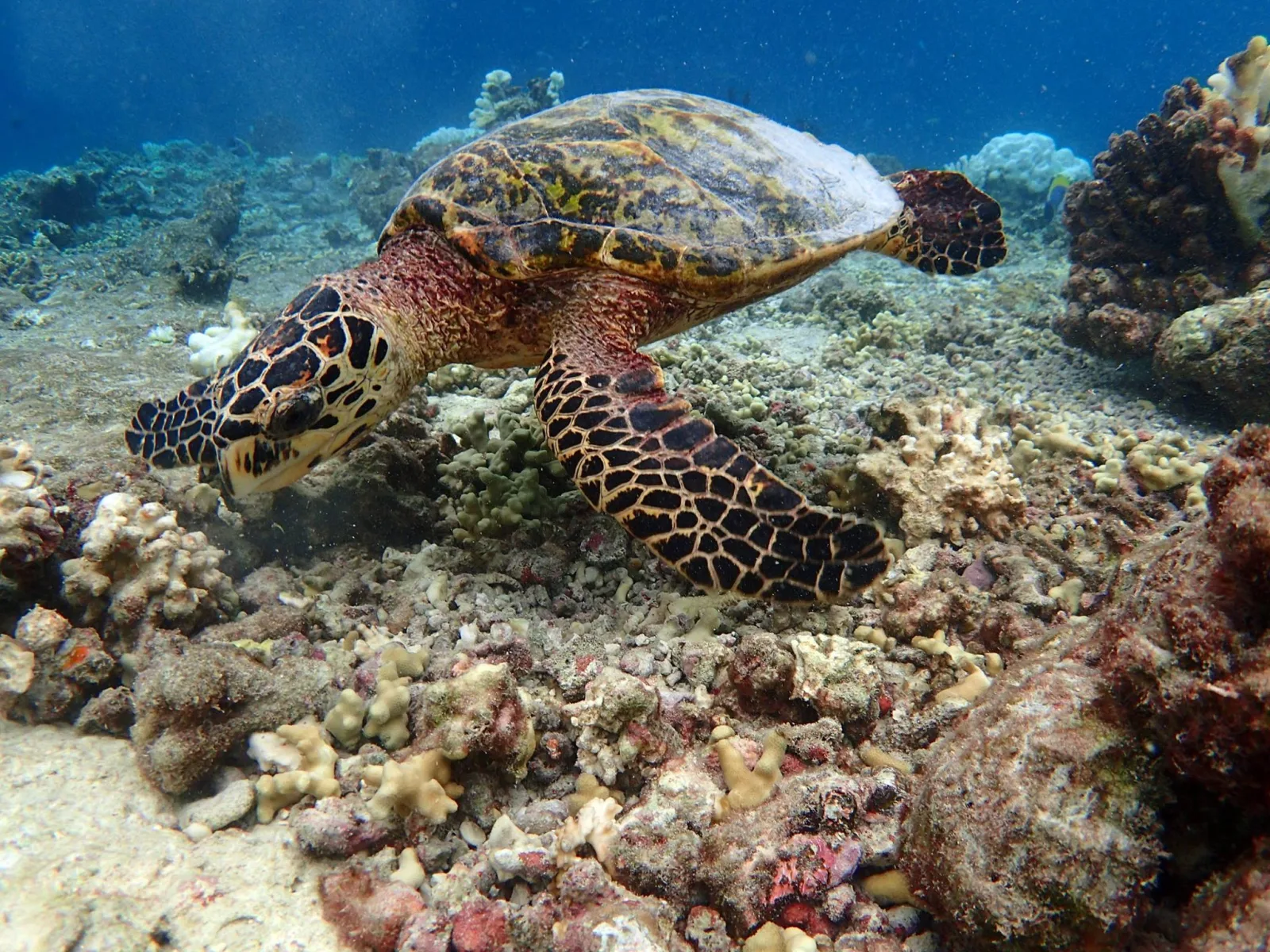
The most common boat tours are for guided snorkel, sunset and dolphin watching. At resorts, these programs are usually charged separately and fall into a range that varies quite a bit depending on the boat, the duration and the type of trip. In practice, it’s worth asking for the exact price before booking, because the difference between a simple group tour and a private trip can be big. At some hotels, it’s also possible to put together the day’s itinerary with more than one activity on the same boat, which helps avoid unnecessary transfers.
If you’re staying on a public island, day use at a private resort is a good way to satisfy the desire to spend a few hours in the standard of hotel islands. This combination works best for those who want to snorkel in calmer water, have lunch at the resort and return at the end of the day without changing accommodation. Ideally, confirm in advance whether day use includes lunch, beach access and boat transfer, because these items vary from one resort to another.
For those who want to choose just one or two outings, the most useful criterion is the focus of the trip: marine life, sunset or dolphins. If the priority is to see large animals, look for trips linked to Baa Atoll and Ari Atoll; if the idea is simply to spend a few hours at sea and use the hotel facilities, day use usually solves it without complicating the itinerary.
How to get around between the islands
Within each island, almost everything can be done on foot. On small islands, this is the most practical way to get around between the beach, your accommodation, and a few service points. In resorts, getting around is also usually short because the facilities are concentrated in one area.
To go from one island to another, there are public boats between nearby islands. They are the most economical option, but they depend on a schedule and do not operate as on-demand transportation. If your itinerary requires flexibility, the most common choice is a private speedboat, which leaves when arranged, or a fast boat for resorts near Malé, where the trip is usually simpler and quicker. In these cases, the transfer may already be included in the daily rate, so it is worth checking before finalizing the booking.
For more distant atolls, the pattern changes: the seaplane becomes the most commonly used alternative. It is the option that greatly shortens travel time, but it is also the one that weighs most heavily on the budget. Among the prices mentioned for internal transport, public boats appear as the cheapest, while speedboats and seaplanes fall into the higher ranges. Since these prices vary greatly depending on the island, distance, and hotel, always confirm the final price and transfer schedule before choosing your accommodation.
Frequently asked questions
What is the best time to travel to the Maldives?
The most comfortable season runs from November to April, when the sea is usually calmer and the water more transparent. From May to October, there is more rain and wind.
How many days are ideal to stay in the Maldives?
The ideal is to book at least five full days. If you can stay for a week, the trip becomes more comfortable and even allows you to split your stay between two hotels.
Is it better to stay on a public island or at a resort in the Maldives?
Public islands are usually cheaper and have local life, while resorts on private islands offer more privacy and facilities. The choice depends on your budget and the type of experience you want.
What usually weighs most on the cost of the Maldives?
In addition to the nightly rate, food and drinks can increase the bill significantly, since in resorts there are few alternatives outside the hotel. You also need to add fees, taxes, and possible transfer costs.