Lima: what to do, where to stay, when to go and how to plan the trip
Lima: what to do, where to stay, and how to plan your itinerary to enjoy the Historic Center, Miraflores, Barranco, and the gastronomy.
How Many Days to Stay in Lima and How to Fit the City into Your Itinerary
To see Lima without rushing, set aside 4 to 5 days. This window allows you to fit in the main attractions comfortably while still leaving room for meals that take a bit more time, since the city often makes its way into the itinerary for both its history and its cuisine.
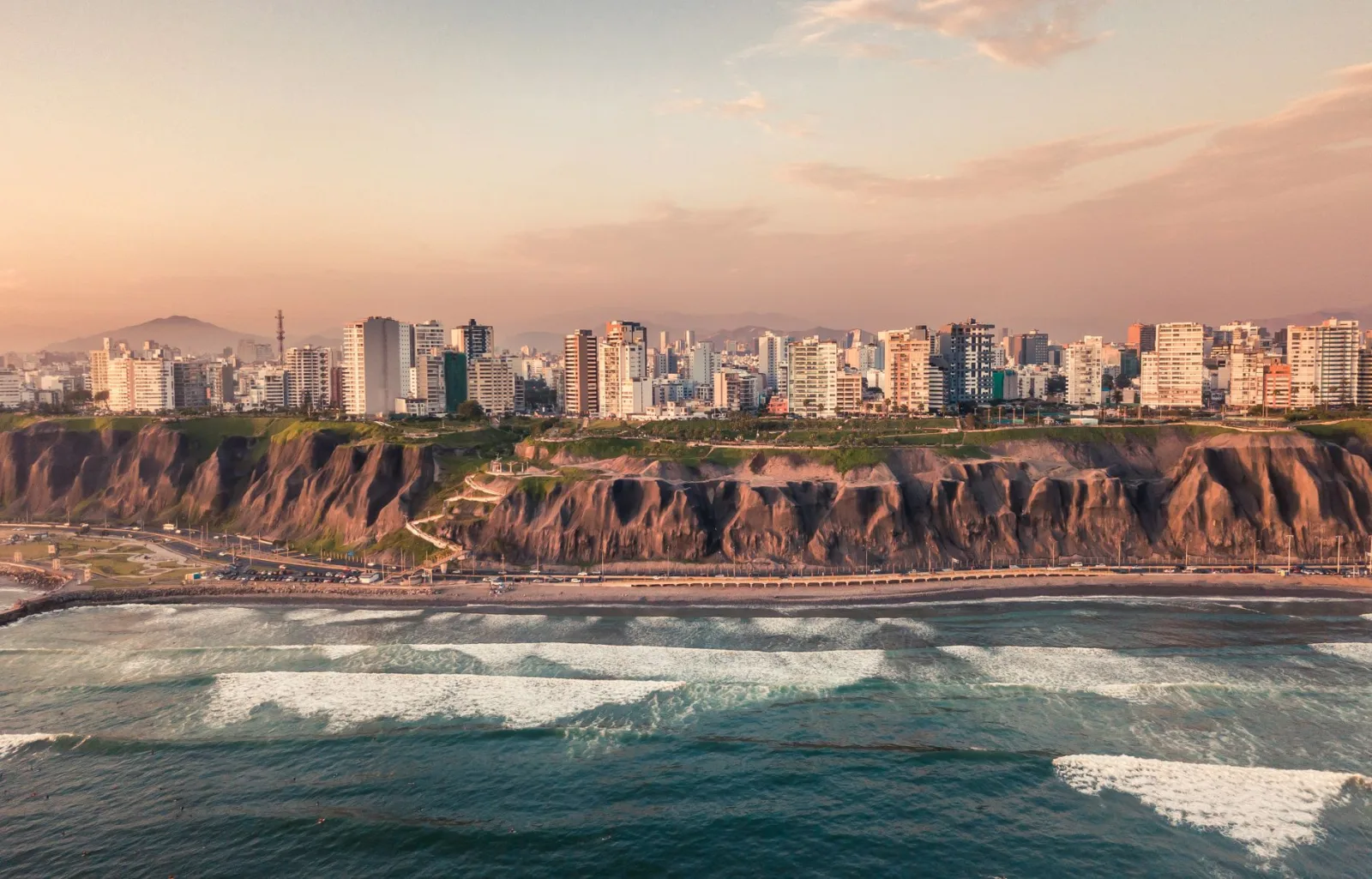
With 4 days, you cover the essentials and can still adjust the pace without ending up with a sequence of short, tiring visits. With 5 days, you can spread the sightseeing out better, include breaks, and reserve a dinner at one of the most sought-after restaurants without turning the day into a marathon.
If you have extra time, it may be worth considering a day trip to Caral or Huacacchina as an extension of the itinerary, not as a mandatory part of the trip. Caral makes sense for those who want to see the oldest civilization in the Americas; Huacacchina is a better fit for those who prefer a scenic detour, with the oasis surrounded by dunes. In both cases, it only makes sense if your main itinerary in Lima is already set.
If the trip is short, prioritize Lima and save these outings for another time. If you have more time available, include only one of them, so you do not trade useful days in the city for transfers that compress the rest of the itinerary.
Where to stay in Lima: the most practical neighborhoods for travelers
Miraflores is usually the most practical choice for staying in Lima. It is the area with the widest range of hotels, many restaurants, shops, and malls, as well as proximity to the coast. For those who want to get around easily and have more options at hand at the end of the day, it makes the trip much simpler.
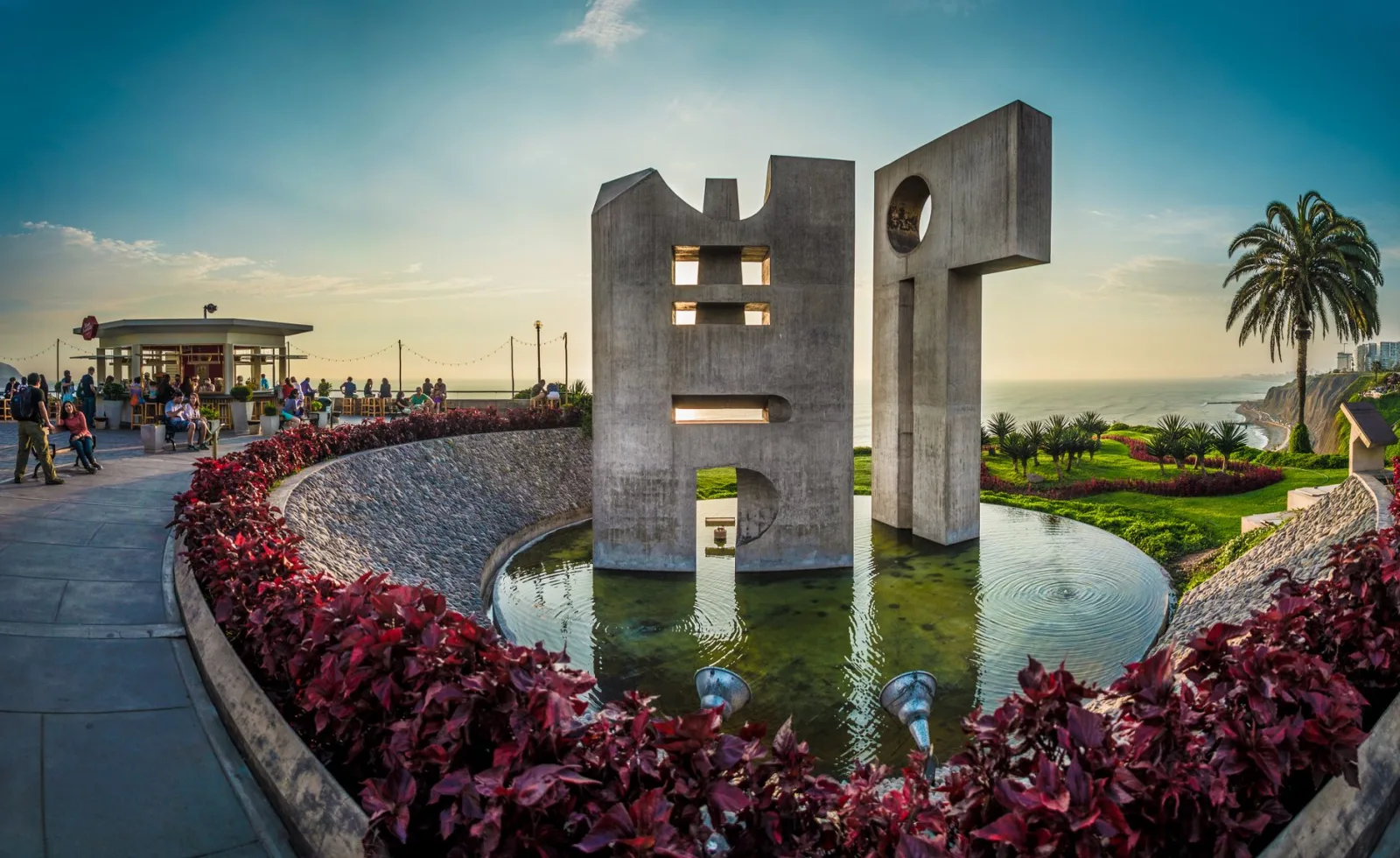
Barranco works best for those who prefer to sleep in an area with a more bohemian vibe and spend the evenings among bars, cafés, art houses, and lively streets. Accommodation there tends to make sense if your interest is more in walking around the neighborhood and enjoying that atmosphere than in staying close to a greater concentration of services.
The Historic Center is the best base for those who want to be near the colonial core and prioritize cultural visits. The advantage is its location in relation to the main historic buildings; the downside is usually the need to choose accommodation carefully, because the area makes more sense for those who want this slice of the city and accept an environment less focused on staying comfort than Miraflores.
San Isidro comes into the conversation when the idea is to stay in a more formal and quiet area, with more practical use for those who value organization and getting around without as much tourist noise. Other districts, such as Surco or La Molina, can work for very specific profiles, but only make sense if your trip is tied to a specific address there. If the idea is to decide quickly and without mistake, Miraflores is the safest option for most travelers; Barranco suits those who want atmosphere better; Historic Center, those who prioritize heritage.
Editorial transparency: Some links on this page are affiliate links. We may earn a commission at no extra cost to you. This does not influence our recommendations.
Historic Center of Lima: what to see in the colonial core
The Historic Center of Lima concentrates the most direct reading of the colonial city. The area is part of UNESCO heritage and brings together, in just a few blocks, the Plaza de Armas, the Cathedral of Lima, and the Government Palace. For those who want to understand why Lima became the administrative center of the viceroyalty, walking there with a guide helps a lot: the visit organizes the chronology, explains the function of each building, and keeps the tour from remaining only at the surface of the facades.
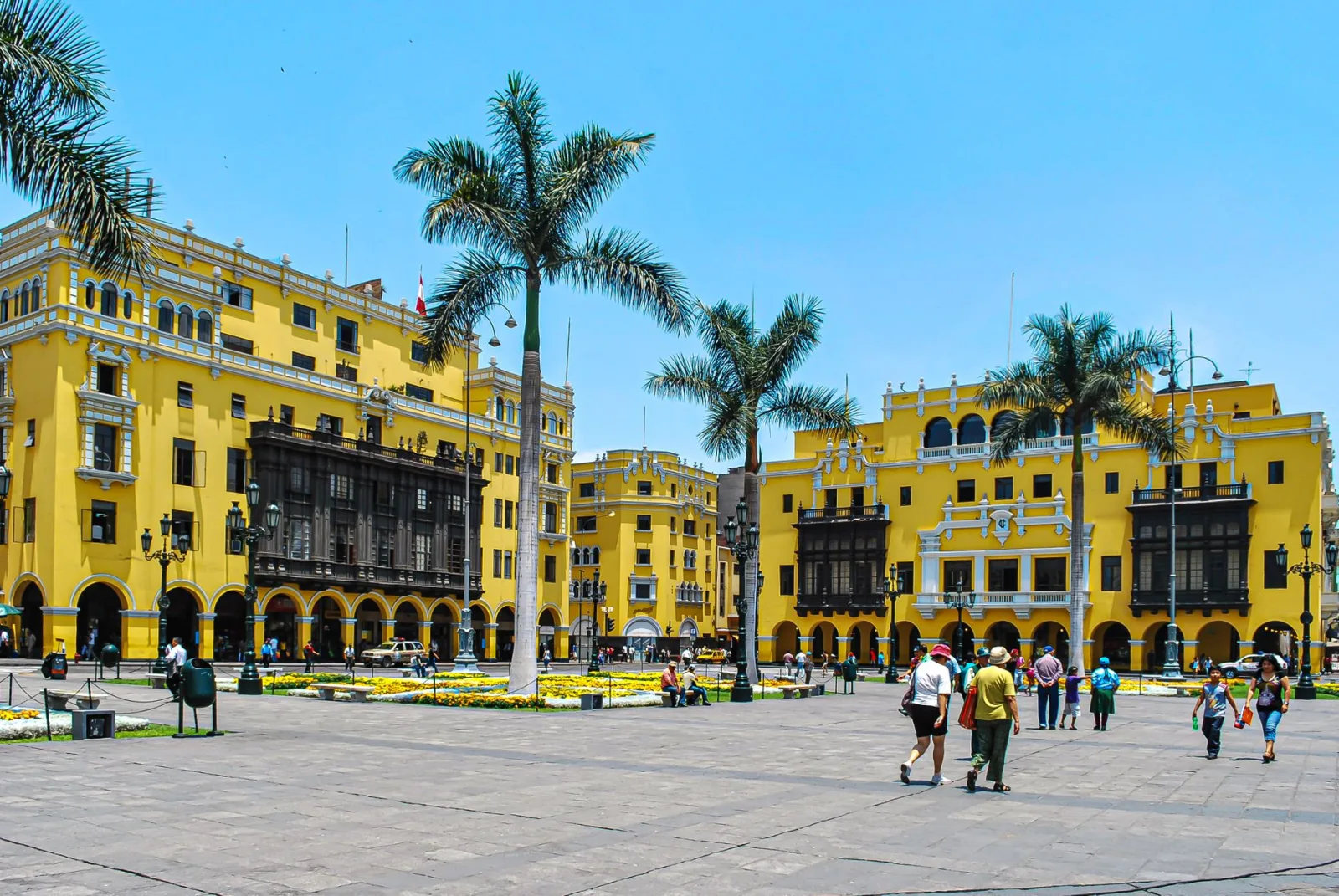
The Plaza de Armas is the natural starting point. From there, you can reach the Cathedral of Lima and the Government Palace with ease, which makes it simple to combine the main landmarks in a single walk. The cathedral and the surrounding buildings preserve the colonial reading of the complex, and the surroundings work best when you calmly observe the relationship between the square, political power, and religion.
The Convent of San Francisco deserves its own time because of the catacombs, which are usually the most sought-after part of the visit. The Convent of Santo Domingo completes this historic core with another important layer of the colonial religious city. If you want to extend the walk a little, it is worth including part of the Rímac district, which preserves a popular atmosphere and gives the route a useful contrast with the monumental center.
A guided tour makes a difference here because the value of the place lies less in “seeing buildings” and more in understanding the role of each one in the formation of Lima. Without context, the area may seem like a sequence of monuments; with context, it gains order and meaning.
Miraflores and the coast: parks, archaeological sites, and views of the Pacific
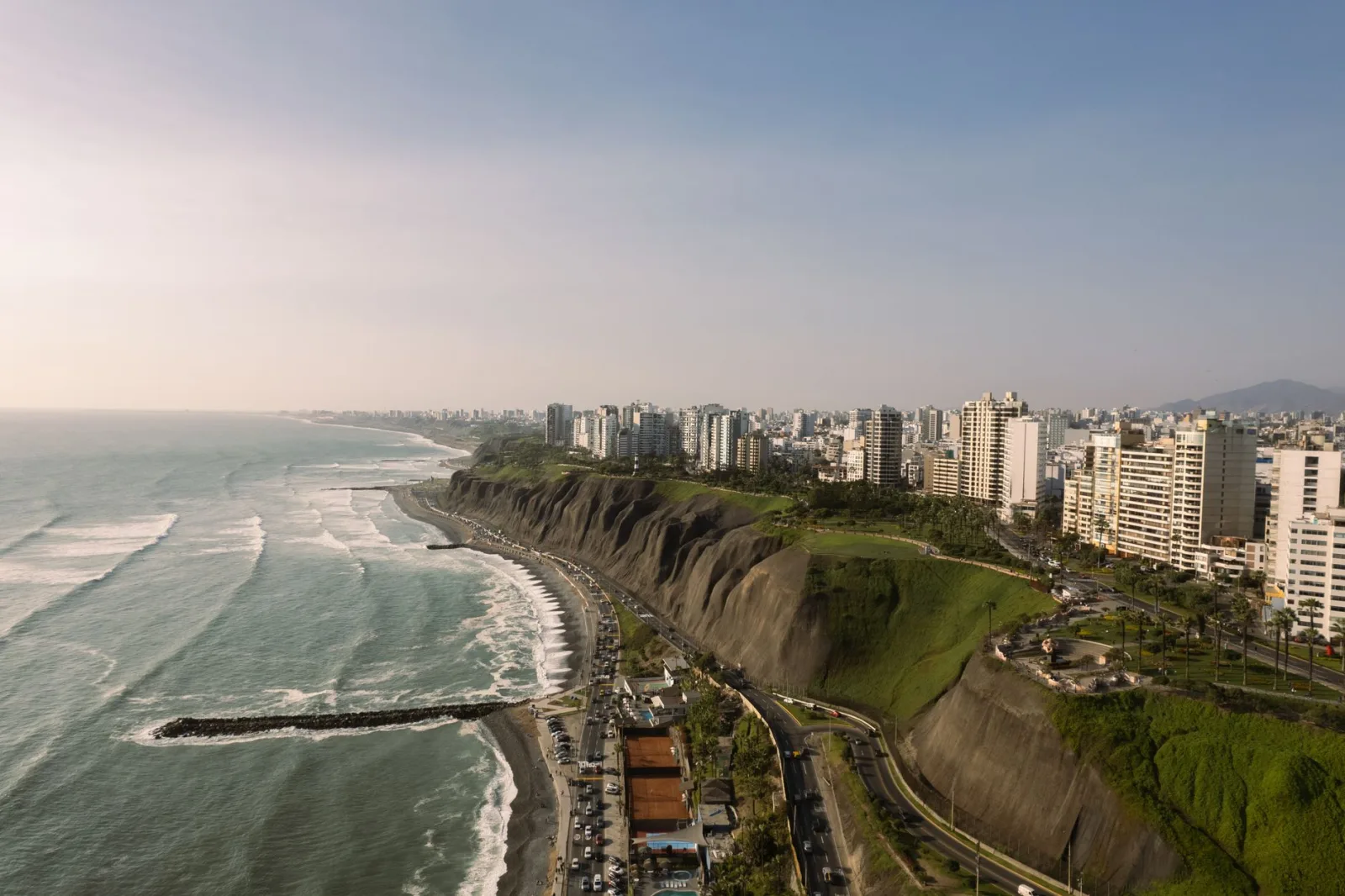
Miraflores concentrates the part of the city where sightseeing is easiest to make happen. Kennedy Park usually comes first on the itinerary because it is in the center of the local buzz, with a constant flow of people, services, and direct connection to the surroundings. Parque do Amor works better late in the afternoon, when the view of the Pacific Ocean weighs more in the decision of what to do there.
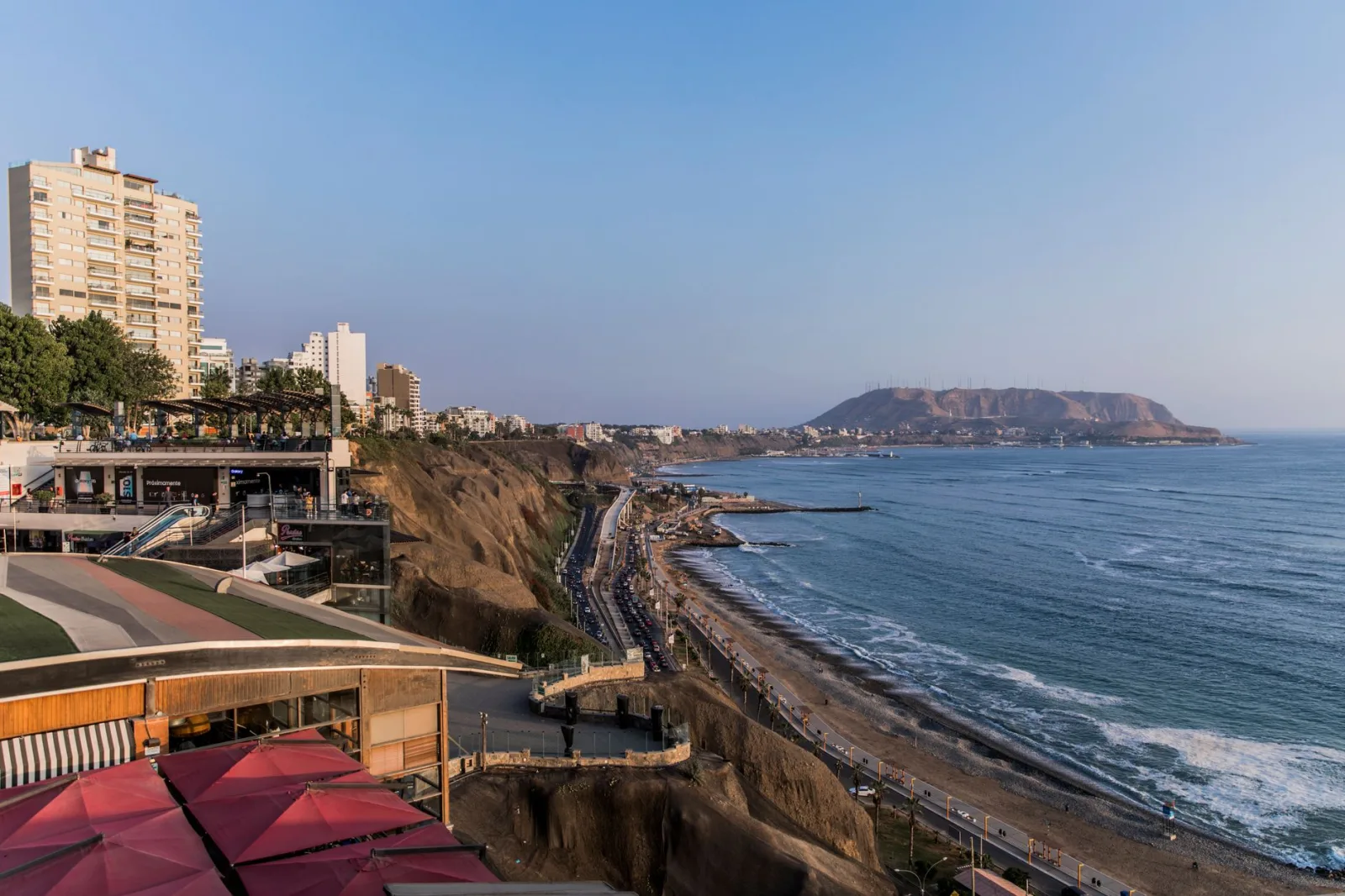
The stretch to the coast is worth it for the walk itself and for the relationship with the sea. In Lima, Miraflores’ coastal strip has a beach, but swimming is not usually the main idea: the water is cold and the sandy area has rocks, so the appeal lies more in walking, observing the coast, and photographing the slice of the Pacific than in spending hours on the sand. If your priority is open views and easy circulation, the area around Larcomar does this job well, with shops, restaurants, and a steady flow of people.
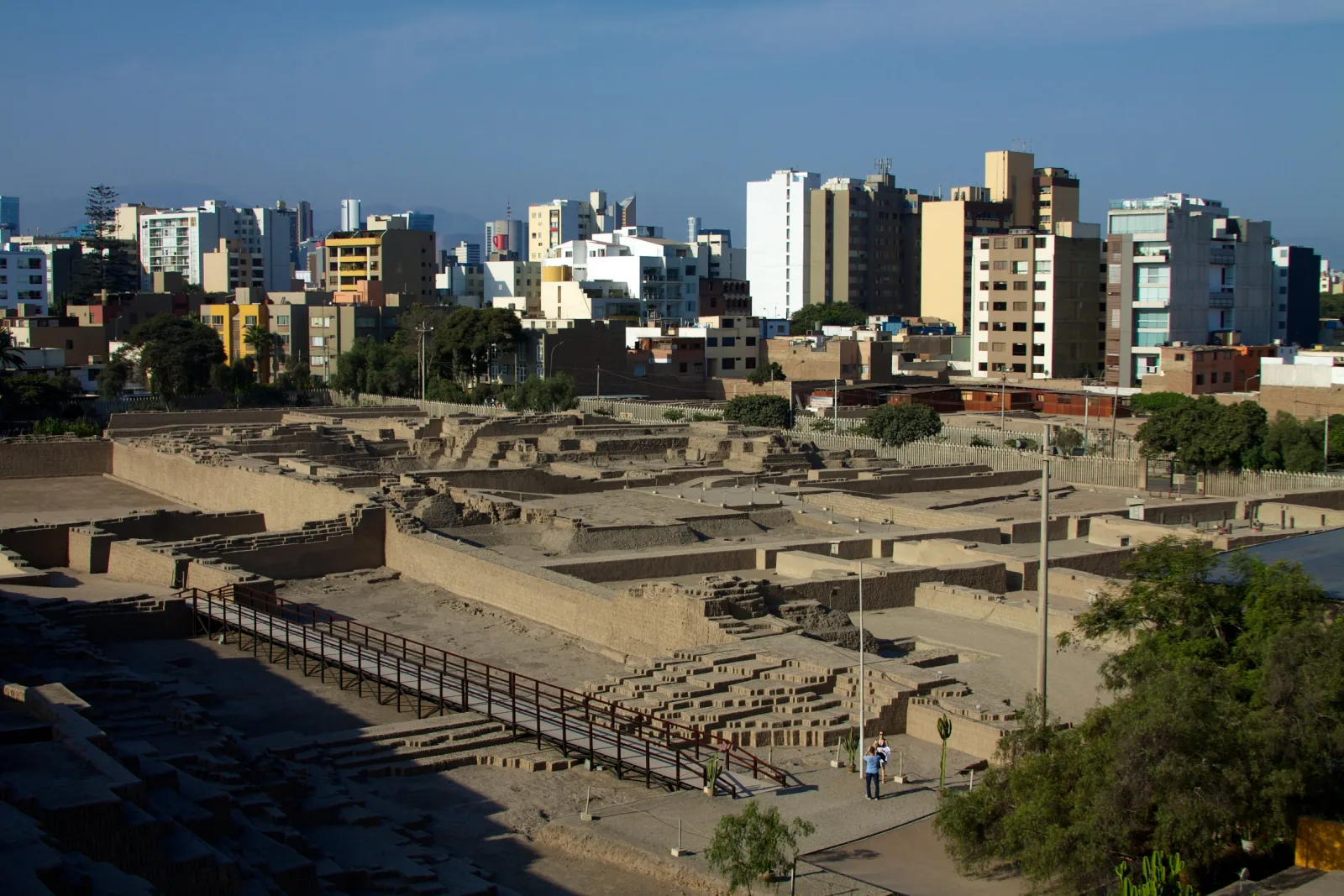
Huaca Pucllana changes the pace of the neighborhood. It is the main archaeological site in the area and is worth a visit for anyone who wants to add a historical layer to the same day they spend moving around Miraflores. The interest here is not in doing a long circuit, but in fitting a pre-Columbian site into the middle of a modern area, without having to leave the district.
If you have little time, choose between the coast and archaeology on the same day: Parque do Amor and the stretch of the coast call for light and clear skies; Huaca Pucllana works better when you want a visit more focused on history.
Barranco and the Malecón: the bohemian side and the bike ride
Barranco works best in the late afternoon and at night, when the neighborhood comes alive in the streets and outdoor spaces. Puente de los Suspiros is usually the spot that draws the most attention, but the route becomes more interesting when you extend the walk through Parque de Barranco, Parque Villareal, and Bajada de Baños, where murals, street art, and small fairs appear.
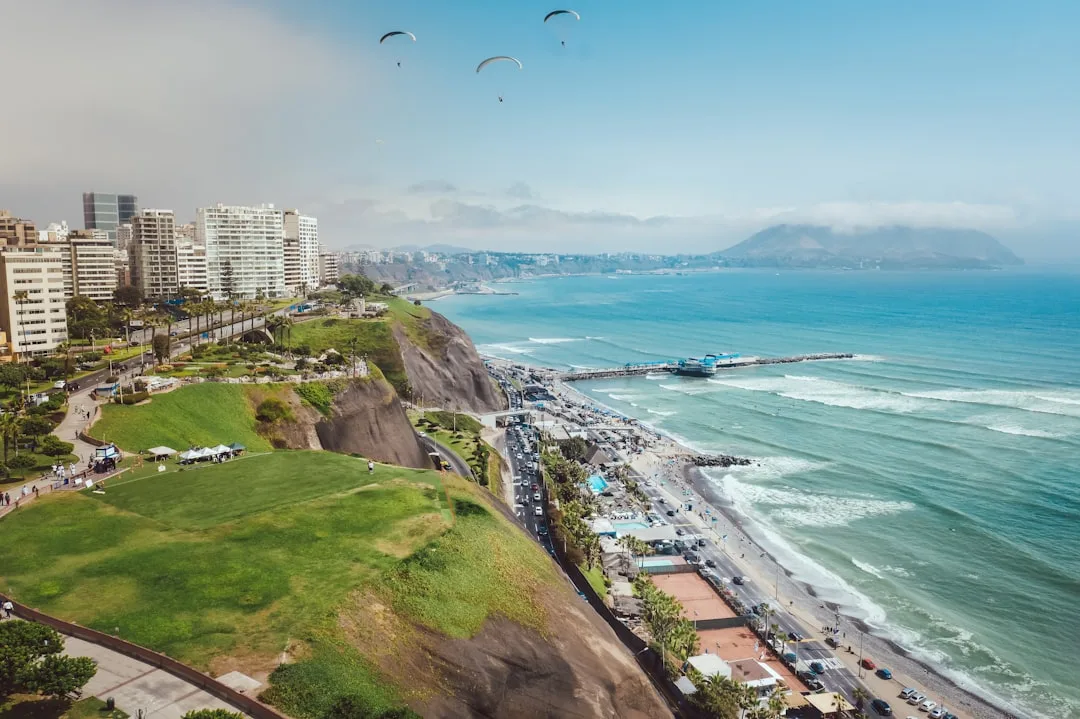
The stretch of the Malecón between Miraflores and Barranco is one of the city’s most practical routes for cycling. The bike lanes help those who want to get around without relying so much on a car or taxi, and the itinerary works best when you take it slow, stopping to take in the coastline and continue on to the neighboring neighborhood. If you prefer walking, the path also works, but the bicycle gives you more independence to fit the stops along the route into the same day.
Bajada de Baños connects Barranco to the lower coastal area and concentrates part of the atmosphere that gives the neighborhood a life of its own after business hours. There, the combination of urban art, cafés, small stalls, and foot traffic changes the pace of the walk. Those who like photography will find more interest in the walls and facades than in large monuments.
If you’re short on time, it’s worth choosing between cycling along the Malecón and spending more time in Barranco. Those who want to observe the neighborhood calmly usually enjoy the walk more; those who want to cover more ground and reach the coastal area without effort should go by bicycle.
Museums and archaeological sites to understand the history of Peru
The Larco Museum is the most direct address for those who want to see pottery, textiles, and gold and silver pieces linked to Peru’s pre-Columbian civilizations. The collection helps you understand the chronology of these cultures without requiring prior archaeological knowledge, and the way the visit is organized also makes it easy to compare periods and techniques. If you need to choose just one museum from this list, it is usually the most comprehensive place to start.
The Museum of Art of Lima, the MALI, takes a different approach: its collection covers more than 3,000 years of Peruvian history. This makes it a good stop for those who want to read the country’s history through art as well, and not just through archaeological objects. The Gold and Weapons Museum, in turn, is of interest mainly for its collection of gold pieces and weapons, a more specific focus, useful for those who want to see this kind of material up close without spreading their attention across too many themes.
Among the archaeological sites, Huaca Huallamarca and Huaca Pucllana show how ancient remains still stand in the middle of the city. Huaca Pucllana draws more attention because of its preserved adobe pyramid; Huaca Huallamarca is smaller and easier to fit into a short visit if you want to alternate a museum with an urban ruin. Pachacámac calls for a different pace: it was a sacred pilgrimage center for ancient civilizations in the region and makes sense for those who want to move away from the more urban circuit and see a site with its own historical weight. Since opening hours and visiting conditions may change, it is worth confirming before going, especially in Pachacámac and the huacas, where access and operations may vary depending on the day.
Gastronomy in Lima: what to try and where it’s worth booking
Order ceviche if you want to start with the dish that best represents Lima’s cuisine: fresh fish, well-balanced acidity, and a presentation that depends a lot on the chef’s touch. Lomo saltado is the most straightforward choice for anyone who wants a hot, heartier dish, while causa and papa a la huancaína work well as starters or to share at the table.
For desserts, picarones and suspiro a la limeña help round off lunch or dinner without overcomplicating things. The first is for those who like fried dough with syrup, while the second is for those who prefer a creamier dessert. Pisco sour is usually the most ordered drink on the menu, so it’s worth checking how the house makes it before accepting any rushed version.
Lima has a concentration of highly sought-after restaurants, and that affects the decision. If the place you want to eat at depends on a specific time, a table with a view, or a tasting menu, book in advance and confirm the conditions at the time of booking, because these change frequently.
If you’re choosing between several places, prioritize kitchens that handle the basic Peruvian dishes well instead of chasing an extensive menu. In Lima, what usually justifies a reservation is the food, high demand, and the restaurant’s consistency, not the size of the dining room.
Parque da Reserva, Larcomar and the night in Lima
The Magic Water Circuit works best at night, when the lighting gives purpose to the visit and Parque da Reserva takes on a different rhythm. If you are putting together the end of the day, this is the time that makes the biggest difference. The program usually attracts people of all ages, so it’s worth checking the opening hours on the day of your visit before heading out.

To fit in a meal and get around without wasting time, Larcomar works well. It faces the sea and brings together shops, restaurants, and useful services, so it works both as a place to stop for a meal and to stroll calmly before or after dinner. Anyone who wants to stay in the area later can use it as a base without having to invent long transfers.
Calle de las Pizzas comes in as a practical option for bars and restaurants in Miraflores. It is a busy street, with several establishments side by side, and usually works best when the idea is to sit down without complicating the evening logistics. If you prefer to choose on the spot, it’s a stretch where you can look around, compare, and go into whichever place makes the most sense.
If you still have energy after the walk, there is no shortage of places to extend the night in this same area. What usually decides the itinerary is your main interest: the illuminated fountain at Parque da Reserva, a meal with a view and services at Larcomar, or a table at a bar or restaurant on Calle de las Pizzas.
Frequently asked questions
How many days should I stay in Lima?
Ideally, set aside 4 to 5 days to see the city at a relaxed pace. This time allows you to visit the main neighborhoods, the Historic Center, and still include meals without rushing.
Where should I stay in Lima to visit the city conveniently?
Miraflores is usually the most practical base for most travelers. Barranco is better for those who want a more bohemian atmosphere, and the Historic Center works well for those who prioritize heritage.
What is there to see in Lima’s Historic Center?
The highlights are Plaza de Armas, Lima Cathedral, the Government Palace, the Convent of San Francisco, and the Convent of Santo Domingo. A guided tour helps you better understand the historical context.
Is it worth including Miraflores and Barranco in the same itinerary?
Yes. Miraflores concentrates parks, views of the Pacific, and Huaca Pucllana, while Barranco is best enjoyed in the late afternoon and at night, with street art, cafés, and the Puente de los Suspiros.
Which dishes should I try in Lima?
Ceviche is the most representative dish, followed by lomo saltado, causa, and papa a la huancaína. For dessert, it’s worth trying picarones or suspiro a la limeña.