Ivalo, Finland itinerary: what to do, where to stay, and how to plan your trip
Plan Ivalo with tips on snow, the northern lights, accommodations, and an itinerary to make the most of the short winter days.
When to go to Ivalo to see snow and the Northern Lights
In winter, Ivalo enters a period of polar night: the sun does not rise above the horizon and the day is reduced to a short spell of light, useful roughly between 10:30 a.m. and 1:30 p.m. This changes the pace of the trip in a concrete way. The city does not call for a packed itinerary; it calls for choices. In general, there is room for one main activity per day, with the rest set aside for meals, breaks, and short transfers.
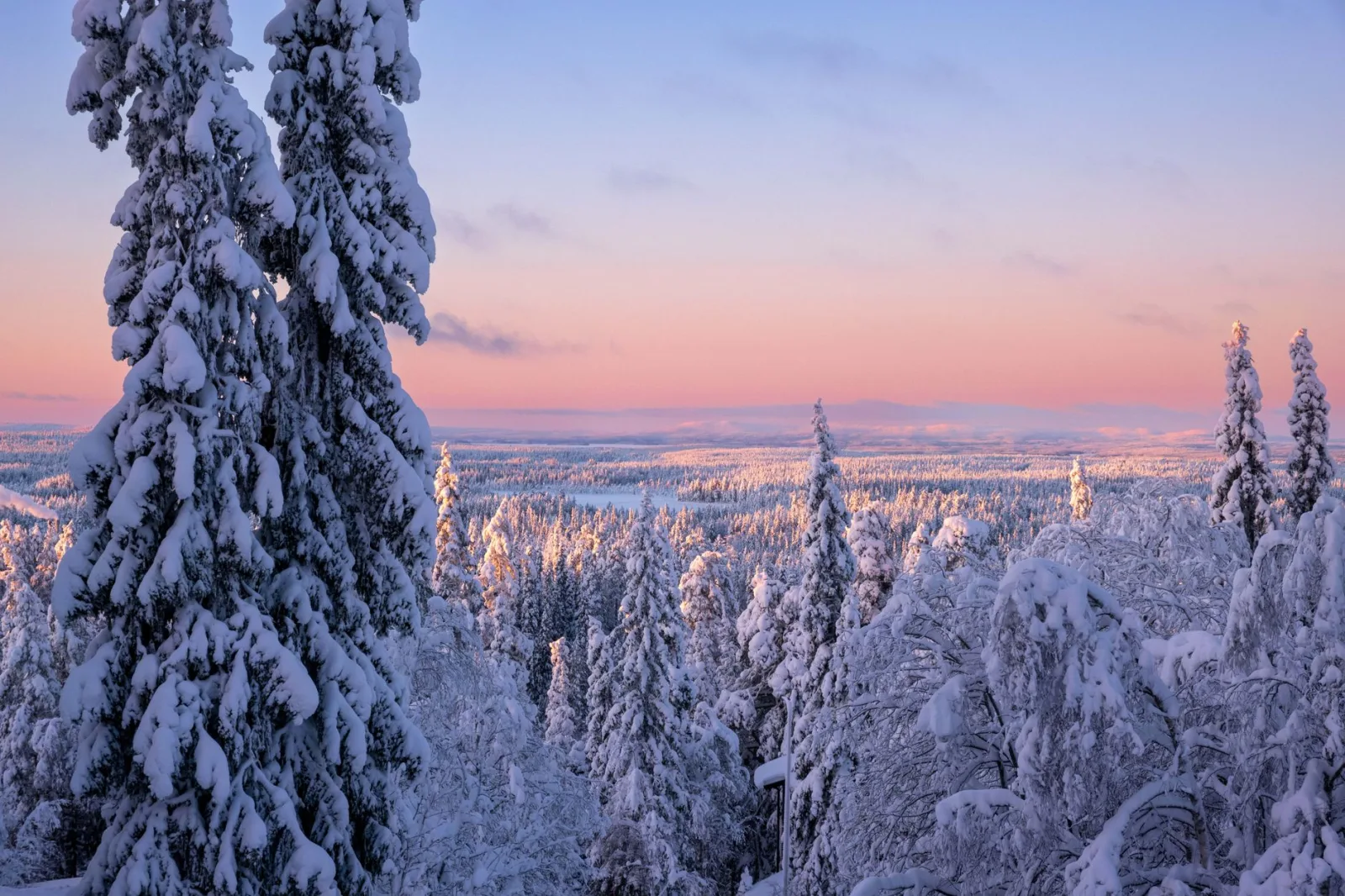
For those who want to combine snow and the Northern Lights, the most favorable window runs from October to February. During this phase, the long darkness helps with skywatching, but the appearance of the aurora is never guaranteed. Even over several days of stay, there may be only a few nights with skies clear enough to see anything. If the aurora is a priority, it is worth arriving with a time buffer and avoiding planning the trip as if the light were certain every night.
The season also determines the kind of day you can fit in. With only a few hours of daylight, morning and early afternoon concentrate the little that can be done outdoors without racing against the clock. After that, the setting turns back into winter night, and the itinerary depends more on accommodations, dinner, and specific nighttime outings. Those who want to see as much snow and dark sky as possible usually accept this slower pace from the start.
If your trip depends on photography, skywatching, or excursions in a very wintry setting, Ivalo works best when you plan your stay around short days and long nights. If the priority is to walk a lot outdoors, the experience is limited by this narrow window of daylight.
How many days to plan in Ivalo and how to set the pace of your itinerary
Set aside at least four days in Ivalo. Less than that usually makes the trip feel rushed, because winter there greatly reduces the useful window of daylight and tends to turn the day into a single main outing. With four days, you can fit in activity, a meal, and a break without turning every afternoon into a race against the clock.
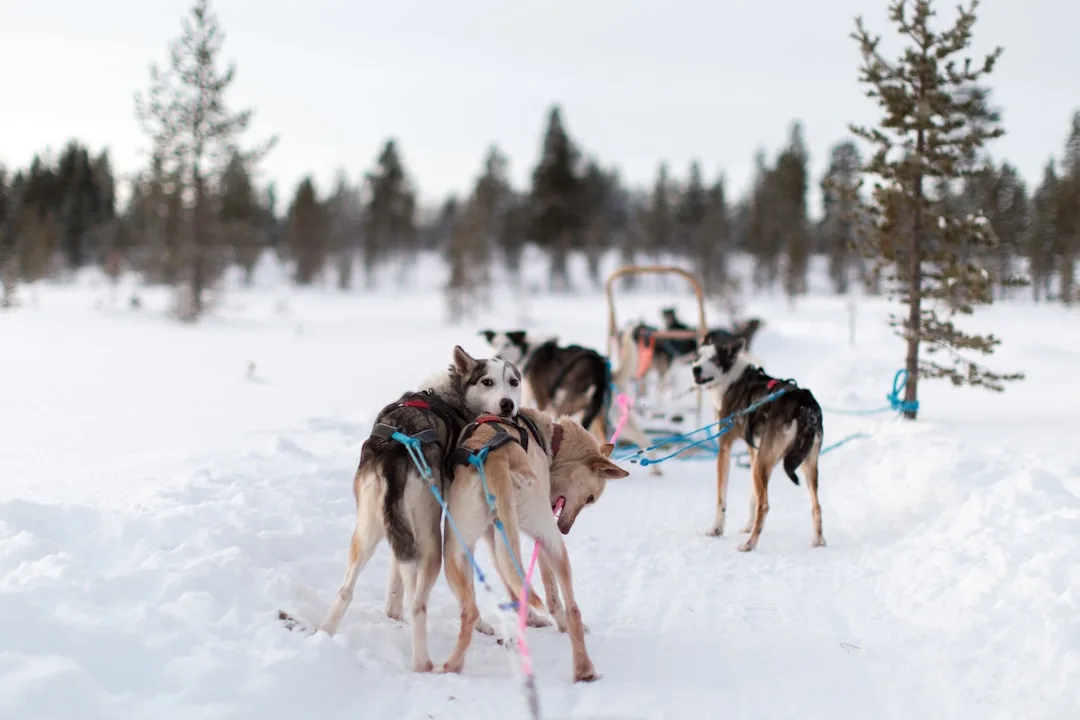
The best way to structure the itinerary is to think in blocks, not in a long list of outings. Leave one larger activity for each day and keep the rest free for rest, short transfers, and weather-related adjustments. This works well for couples, families, and solo travelers because it avoids schedule overlaps and reduces the chance of arriving exhausted at the end of the afternoon, when the sky may already be closing in again.
If the trip is short, choose the order carefully: put first what depends more on clear skies or physical energy, and leave the quieter parts for the following days. In a four-night stay, this setup usually gives you more room to reschedule something that did not happen the day before and helps avoid wasting the little daylight available.
For those who want a streamlined itinerary, the logic is simple: one strong outing per day and unhurried evenings. In Ivalo, trying to “do it all” usually works worse than accepting this more restrained pace.
Editorial transparency: Some links on this page are affiliate links. We may earn a commission at no extra cost to you. This does not influence our recommendations.
How to get to Ivalo and when it makes sense to use a car
Finnair operates flights several times a day between Helsinki and Ivalo, and this is usually the most direct way to get into the region. There are also other international connections at certain times, but what is available changes a lot depending on the season, so it is worth checking the options for the day before finalizing your itinerary. If the idea is to arrive and start the trip without hassle, Ivalo Airport works well as an entry point.
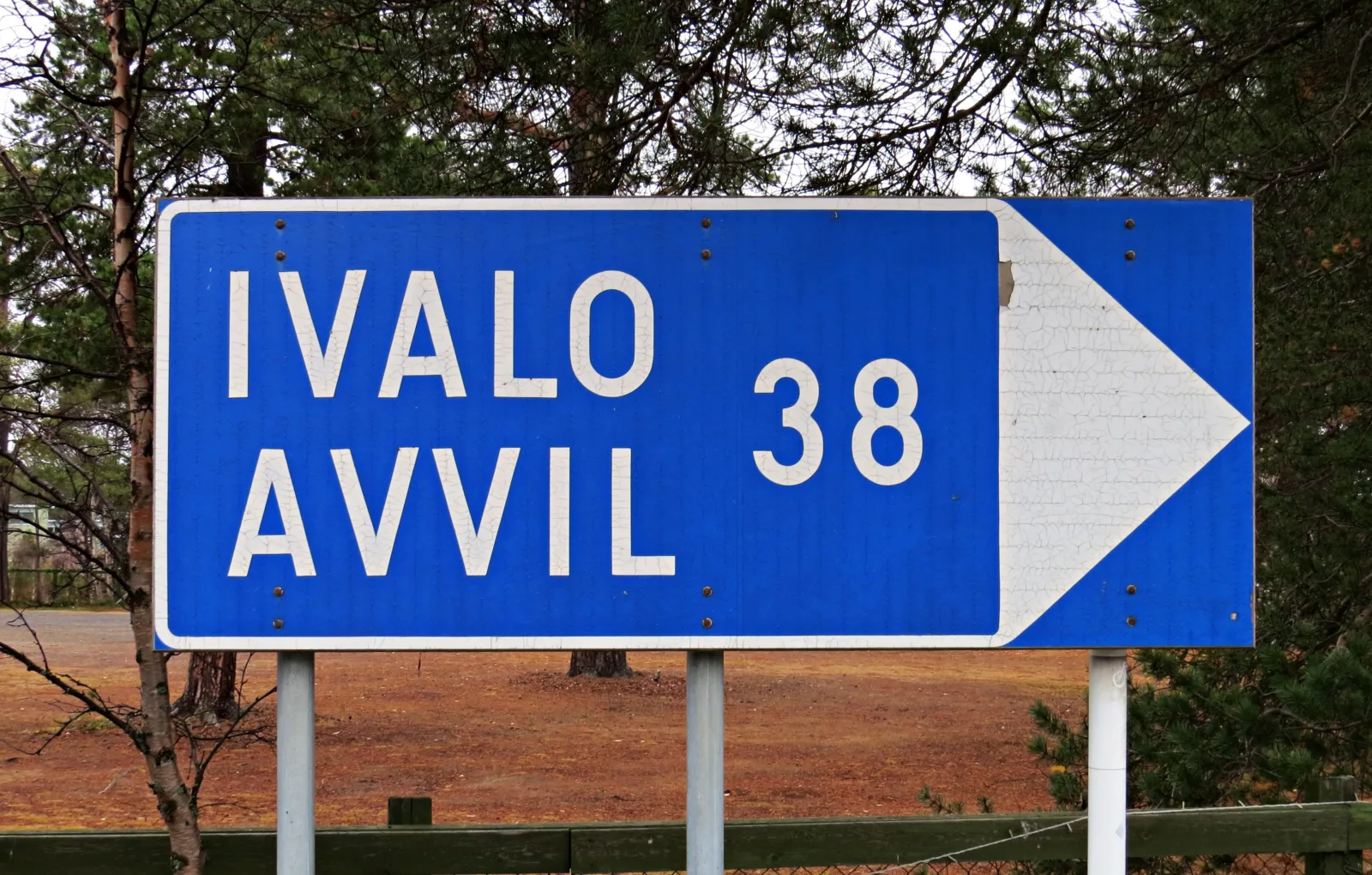
You can drive to Ivalo, but this makes more sense when you want the freedom to move between accommodations and activities outside the center. In winter, cars usually come with tires suitable for the season, and the roads in the area are well maintained. Even so, driving needs to be calmer than on a regular trip: snow, ice, and little light call for constant attention.
Those who prefer to rent a car will find easy pick-up at the airport. For this, compare in advance what is included in the contract and confirm whether the vehicle is already prepared for winter. In Ivalo, this matters more than the car’s model or category, because what matters in practice is arriving without depending on shuttle schedules.
If you are only staying in Ivalo and using organized tours, a car may be unnecessary. If you plan to combine the town with areas to the south, such as Saariselkä, it becomes more useful.
Where to stay in Ivalo and surroundings
Aurora Village Ivalo makes sense for those who want to stay in a base with ready-made structure and little friction in everyday life. The cabins have heated glass roofs, so the stay is designed from the start for observing the sky without getting out of bed, when the weather cooperates. Meals are included in some rates, which makes the routine much simpler in a destination where going out to eat every night can become an activity in itself.
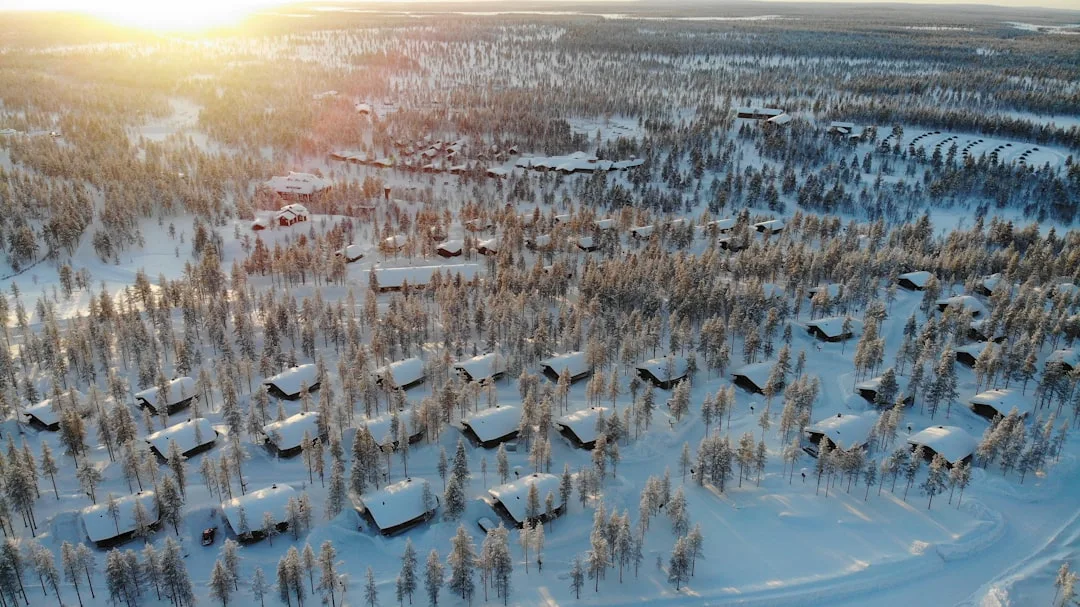
The most practical alternative, and often the most flexible, is a cabin or Airbnb in the forest south of Saariselkä. In this format, you get a kitchen and a wood-fired sauna, which helps control costs and maintain a more home-like pace between one outing and another. It is also the option that makes the most sense for those who prefer autonomy, especially on longer stays or when traveling as a couple.
In the larger area, Wilderness Hotel Juutua works well if you want to combine accommodation with an on-site restaurant and a support sauna for the end of the day. The Northern Lights Village Saariselkä, on the other hand, concentrates the glass-roof cabins in a resort setup, with restaurant, bar, and sauna, in addition to making it easier to arrange activities at the reception itself. If the goal is to choose well, the criterion is simple: comfort with everything organized, an isolated cabin with a kitchen, or a resort base between Ivalo and Saariselkä.
What to do in Ivalo: husky, reindeer, snowmobile and aurora hunting
Husky sledding is usually the most direct activity to feel the winter landscape in motion. The initial thrill is the dogs’ start, and the rest of the ride becomes a mix of control and collaboration: on more demanding stretches, you help by pushing the sled. Among the local options, there are 1-, 2- and 4-hour departures; the 4-hour one makes more sense for those who want enough time on the route and includes a salmon soup lunch. If you choose this ride, it is also worth looking at how the operator treats the dogs and maintains the kennels.
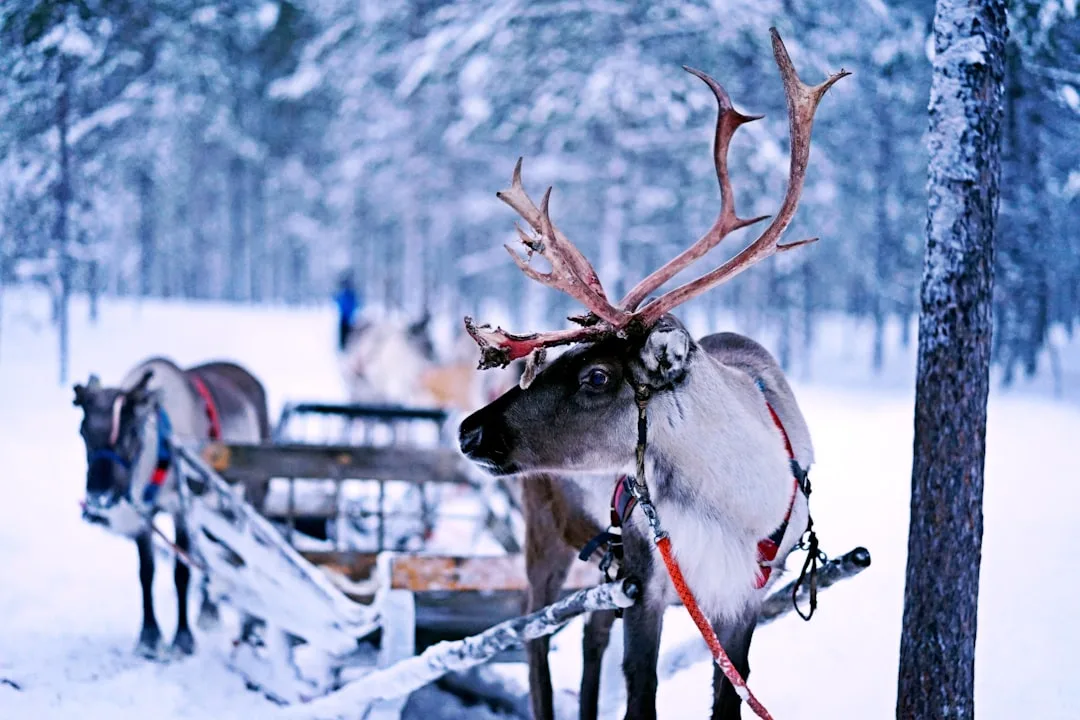
The reindeer ride completely changes the pace. In the Saariselkä region, Sámi operators take visitors on a route of about 60 minutes, in a convoy of sleds, at a much calmer pace than that of the huskies. The setting is forest and silence, with blankets to keep out the cold and a stop afterward by the fire for coffee or tea. It is the experience that best fits when you want to understand the local relationship with reindeer without rushing.
Snowmobile works best for those who want to cover more ground and experience the forest in a practical way. After a safety briefing, the route follows snowy fields and wooded areas, with turns and stretches where controlling speed matters more than anything else. The ride requires some physical attention, but it offers a different reading of the landscape: less contemplative, more dynamic, and with a chance to see wild reindeer on the way back.
For aurora hunting, the key point is to use a guide who follows forecasts and changes the plan according to the sky. This greatly increases the value of the outing, because the aurora depends on clouds and magnetic activity, not on a fixed point on the map. In Ivalo, this is the experience for long, cold nights, when the group heads to areas with less light and waits for a real opening in the sky. If the forecast does not cooperate, the right guide is precisely the one who knows when to persist at the right time and when to back off if there is no chance.
Where to eat and do quick shopping in Ivalo
Ivalo’s K-Supermarket is the most convenient place to get hot food and do a quick shopping stop. There you can usually find ready-to-eat items such as roast chicken, grilled salmon, and cooked pork ribs, useful when the idea is to eat without wasting time at a restaurant. It is also worth looking for Finnair blueberry juice, sold at the market and easy to take on the road.
If you are continuing on to Saariselkä, it makes sense to stock up in Ivalo. The city’s markets tend to have lower prices and a wider selection than those in Saariselkä, which matters a lot when you want to put together snacks, buy drinks, or sort out the day’s meal without relying on hotel dining.
For those with a car or passing through the center, the market works well as a one-stop stop: pick up ready-made food, drinks, and anything missing for a simpler evening at your accommodation. If you are organizing a stay with a kitchen, it is also the most logical place to get the basics without inflating the bill.
What to expect from the weather, the light, and daily travel in winter
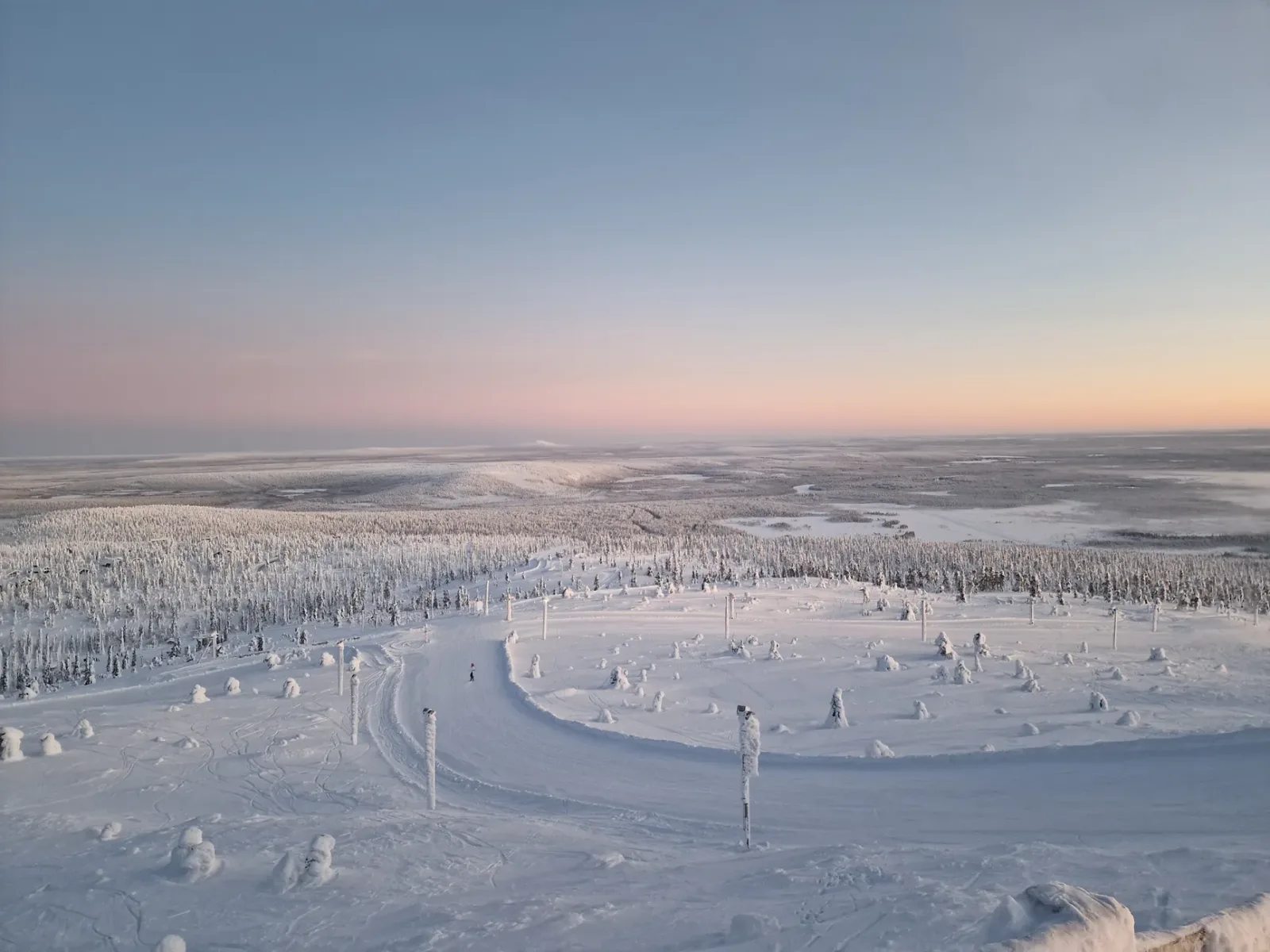
The winter landscape in Ivalo is usually marked by accumulated snow, frozen lakes, and a silence that changes your sense of distance. The cold is not just scenery; it alters the way you move around, take breaks, and decide what fits into the day. Walking, waiting for transport, and even stopping to observe the surroundings all take more time than in less extreme winter destinations.
Usable daylight is short, generally between about 10:30 a.m. and 1:30 p.m. This window concentrates everything that depends on natural light and leaves little room for improvisation. If you want to head out too early, you are still met with twilight; if you leave it until after mid-afternoon, the day is already shortening again. This means the daily schedule works better when you choose one main outing and do not try to string too many things together.
Daily travel also becomes slower because of the snow and the low light. Even with well-maintained roads, the pace tends to be cautious, and that takes up part of the day’s energy. Rather than fitting several activities into the same period, it makes more sense to spread out the morning well and use the rest for meals, warming up, and rest.
For those traveling as a couple, with family, or alone, the consequence is practical: winter in Ivalo calls for a streamlined schedule. What seems like a short amount of daylight is, in practice, the real time you have to be outside comfortably.
How to enjoy the nights in Ivalo when the sky closes in
On nights when the sky closes in, the best option is to treat Ivalo as a place to rest, not as a missed plan. If your accommodation has a sauna, use it early, before fatigue turns into nothing but waiting for a break in the sky. In cabins and hotels in the area, this is often the moment when the day truly slows down.
When dinner is included in the accommodation, it makes the evening much simpler: you don’t have to go back out into the cold or improvise a meal after returning from an excursion. In places like Aurora Village Ivalo and Wilderness Hotel Juutua, having dinner at the hotel fits well into the winter routine. At the first, meals are already included in some rates; at the second, the hotel restaurant helps end the night without extra travel. It’s worth checking at the time of booking what is included in the chosen nightly rate.
In a cabin or Airbnb with a kitchen, the night is usually easier to manage than it seems. You buy something at the market, cook at a relaxed pace, and use the wood-fired sauna when it is part of the accommodation. This setup works well after a day that already included a long outing, because it avoids depending on a restaurant and leaves room to get to bed early.
The rhythm that works in Ivalo is simple: one day of outdoor activity, one night with a real pause. On days when the aurora doesn’t appear, the benefit is precisely not filling everything up. The accommodation becomes part of the trip, not just a place to sleep.
Frequently asked questions
What is the best time to see snow and the northern lights in Ivalo?
The most favorable window runs from October to February. During this period, the long darkness helps with skywatching, but the aurora is never guaranteed.
How many days are enough to stay in Ivalo?
It’s ideal to reserve at least four days. This gives you room to fit in one activity per day, rest, and reschedule something if the weather doesn’t cooperate.
Is it worth renting a car in Ivalo?
It’s more worthwhile if you want to move between accommodations and activities outside the center. If the trip is only for organized tours in Ivalo, a car may be unnecessary.
Where should I stay in Ivalo or the surrounding area?
Aurora Village Ivalo works well for those who want ready-made facilities and a glass roof. A cabin or Airbnb in the forest south of Saariselkä is a good option for those who prefer a kitchen, a wood-burning sauna, and more independence.
What to do in Ivalo in winter?
The most common activities are husky sledding, reindeer rides, snowmobiling, and aurora hunting. Since daylight is short, the best approach is to choose one main activity per day.