Itinerary in Épernay, France: how to get there, what to do, and where to stay
Plan your visit to Épernay with tips on getting there, accommodation, tastings, and what to see beyond the champagne houses.
How to get to Épernay by train or by car
Épernay is served by the SNCF, and arriving by train is usually the easiest option for those coming from Paris or Reims. From central Paris, the trip takes less than 1h30; from Reims, about 20 minutes. There is no TGV service to the city, so the journey is made by regional train.
Those who prefer to go by car will also find direct access. If you are in Deidesheim, the road distance is around 370 km, which makes the trip long, but feasible for those who want to create an itinerary through the Champagne region at their own pace.
If you are leaving from Paris or Reims, it is worth checking the current schedule and departure station before buying your ticket, because train frequency and connections may change. For drivers, the advantage lies in the flexibility to stop along the way and cross the region without depending on connections.
How much time to set aside to explore the city and Avenue de Champagne
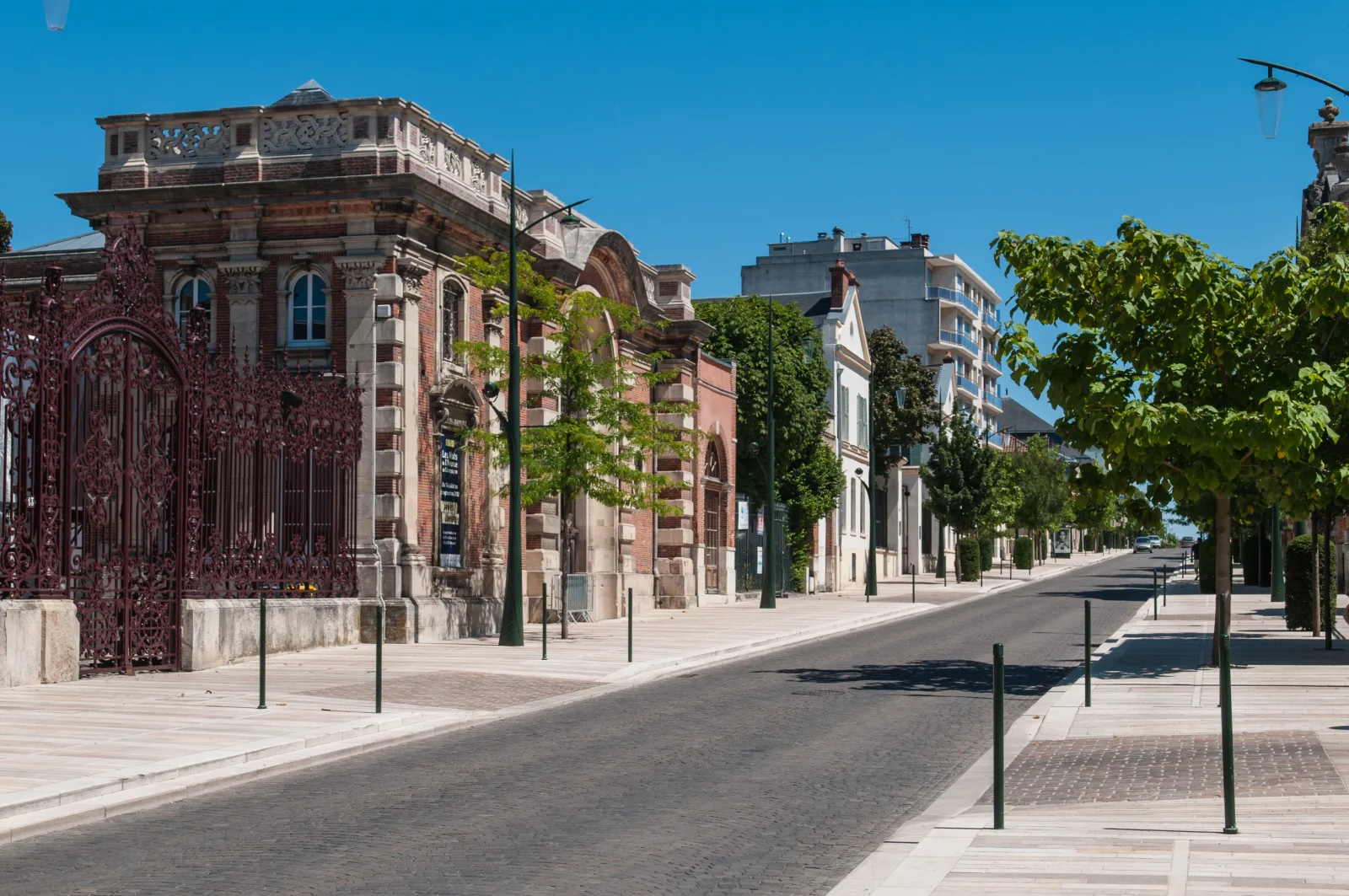
A visit to Épernay works well when you use Avenue de Champagne as the backbone of your itinerary. That is where the city is organized for the traveler, and it is also why many people use it as a base to explore the region. The main stretch is just over 1 km, so you can walk it at a relaxed pace, stopping to take in the facades, the gardens, and the movement along the avenue.
The ideal amount of time depends on your pace. If you plan to stroll along the avenue, make one or two visits, and move on, half a day may be enough. If you want to observe the city calmly, fit in breaks, and move around without rushing, it is worth setting aside a full day. Those who stay overnight in Épernay usually make the most of early morning and late afternoon, when the flow of people decreases and the avenue is easier to appreciate.
To plan your itinerary, think in blocks. First the avenue, which concentrates the main points of interest. Then, if there is time, the nearby spots in the immediate surroundings. This avoids scattered trips and makes the visit more rewarding without turning the stay into a marathon.
Editorial transparency: Some links on this page are affiliate links. We may earn a commission at no extra cost to you. This does not influence our recommendations.
Which champagne houses to visit on the Avenue de Champagne
Some houses on the Avenue de Champagne are almost a must-see on any itinerary, but each one offers a different experience. At Moët & Chandon, visitors usually find the most comprehensive tour, with a focus on history and production. Meanwhile, Perrier-Jouët, Pol Roger, De Venoge, De Castellane, Mercier, Mumm and Don Pérignon are included in the itinerary mainly because of their name recognition and the chance to take a guided visit, a tasting, or simply pass by the house-related space, depending on the format available that day.
If the idea is to choose well, it is worth separating what you want to see. Some houses are more focused on the interior tour, others lean more toward tasting, and some allow you to simply have a drink in the garden when the weather is nice. This detail changes the experience quite a bit, because not every stop requires the same amount of time or the same type of reservation. Before going, check the official website of the house to confirm the format available during that period.
It is also worth considering that the appeal is not only in the label. Part of the avenue’s charm lies in the historic buildings and the row of houses along just over 1 km, so walking along it is already part of the visit. If you have little time, choose one house to visit inside and leave the others to be seen from the outside, without trying to fit everything into the same day.
How the tasting works and what to expect from bottle prices
Tasting in Épernay can come in different formats: some houses offer simple tastings, others provide food-pairing tastings, and some combine the cellar visit with a more informal drink, sometimes in the garden, depending on the time of year. If you want to compare styles, it is worth choosing a short experience at one maison and booking a more complete one at a smaller producer, because the contrast between the two approaches helps you clearly notice the difference.
What you find in the glass also varies quite a bit. In some cases, the experience is more technical, focused on production and on reading the champagne; in others, the service is lighter and aimed at those who just want to taste and move on with the itinerary. If the idea is to buy bottles, the range mentioned for taking home is between 30 and 40 euros, which serves as a useful reference for planning your spending without assuming that all labels will fall within that range.
When choosing, think about the type of visit that makes the most sense for you: a full tour, a tasting, or a simpler stop just to have something in the garden. During busy periods or in seasonal gardens, confirm the availability of the experience before you go, because it changes with the time of year and with each house’s own schedule.
Where to stay in Épernay and what to consider when booking
Staying in the center helps simplify the trip, and Premiere Classe works well for those who want a practical base, without excess. The profile is that of a simple hotel, in line with what you would expect from a budget Ibis: a functional room, no frills, and an acceptable base for sleeping and leaving early.
The breakfast mentioned revolves around a croissant that deserves attention, and that already says a lot about the kind of experience: nothing fancy, but enough to start the day without wasting time. On a short trip, this kind of structure often makes more of a difference than a room with lots of extras.
At the time mentioned, there was a promotion for nightly rates at 42 euros for a triple room, with breakfast at 5 euros. Since prices change, what matters is using that amount as a reference range and confirming the current rate before booking. If your priority is spending less and sleeping well, this is the kind of accommodation that makes sense to look at first.
If you want more comfort, it makes sense to compare this range with small hotels in the city and with options outside the center. If you only want simple logistics for a one- or two-day itinerary, sleeping in a budget structure already does the job.
What to see beyond the champagne houses
Château Perrier is the most interesting stop outside the maisons. The building brings together a library with manuscripts from the 9th century, a wine museum, and archaeological pieces, so it is worth going inside if you want to understand Épernay beyond the glass. Since it is a cultural sightseeing spot, stopping there works well in any walking itinerary through the center.
The Notre Dame church also fits easily into the route. It is located between the city’s central points and helps complete the historical reading of Épernay, much of whose old fabric was destroyed or burned several times over the centuries. If you like observing religious architecture without turning it into a long visit, it fits nicely between one stroll and another.
Another detail that changes the way you walk through the city is what exists beneath the surface. Much of Épernay was built on chalk rock, cut through by extensive galleries and tunnels used to store wine. This explains why the city has such a strong connection to caves and cellars, even outside the best-known houses.
If you are putting together the day, think of these three points as a short circuit: Château Perrier, Notre Dame, and a walk through the areas where the city reveals this underground structure. It is an itinerary that does not depend on tasting and helps fill the visit with historical content without leaving Épernay’s core.
How to organize meals and drinks during your stay
Champagne is the drink that shapes a stay in Épernay, so it makes sense to think about meals from that perspective. Throughout the day, the starting point is usually simple: choose where you’ll taste and keep the other breaks lighter, so you don’t arrive at the visits feeling saturated. If the house offers a paired tasting, the experience already takes care of part of the meal; if there is no pairing, it’s worth fitting in a drink later and keeping the rest of the day open.
In some maisons, the garden becomes part of the program, especially in milder seasons. That is where many people prefer to have a drink without disrupting the pace of the visit. If you want to take advantage of that option, check in advance whether the outdoor space will be operating on the date of your visit, as this depends on the season and on each house’s operations.
When it comes to eating, the logic is more about supporting the itinerary than hunting for a specific address. In Épernay, the main drink already sets much of the tone for the stay, and the practical choice is usually to shape the day around tastings, leaving the larger meals for the breaks between one visit and the next. If you’re going to try more than one maison, it’s worth avoiding overdoing it too early and saving room for what comes later.
How to fit Épernay into an itinerary through the Champagne region
Épernay is located in the Marne department, in the Grand Est region, on the banks of the Marne River. For anyone planning an itinerary through Champagne, this helps clarify the logic of using it as a base: the city works well as a starting point for exploring the area without having to cover long distances within the region.
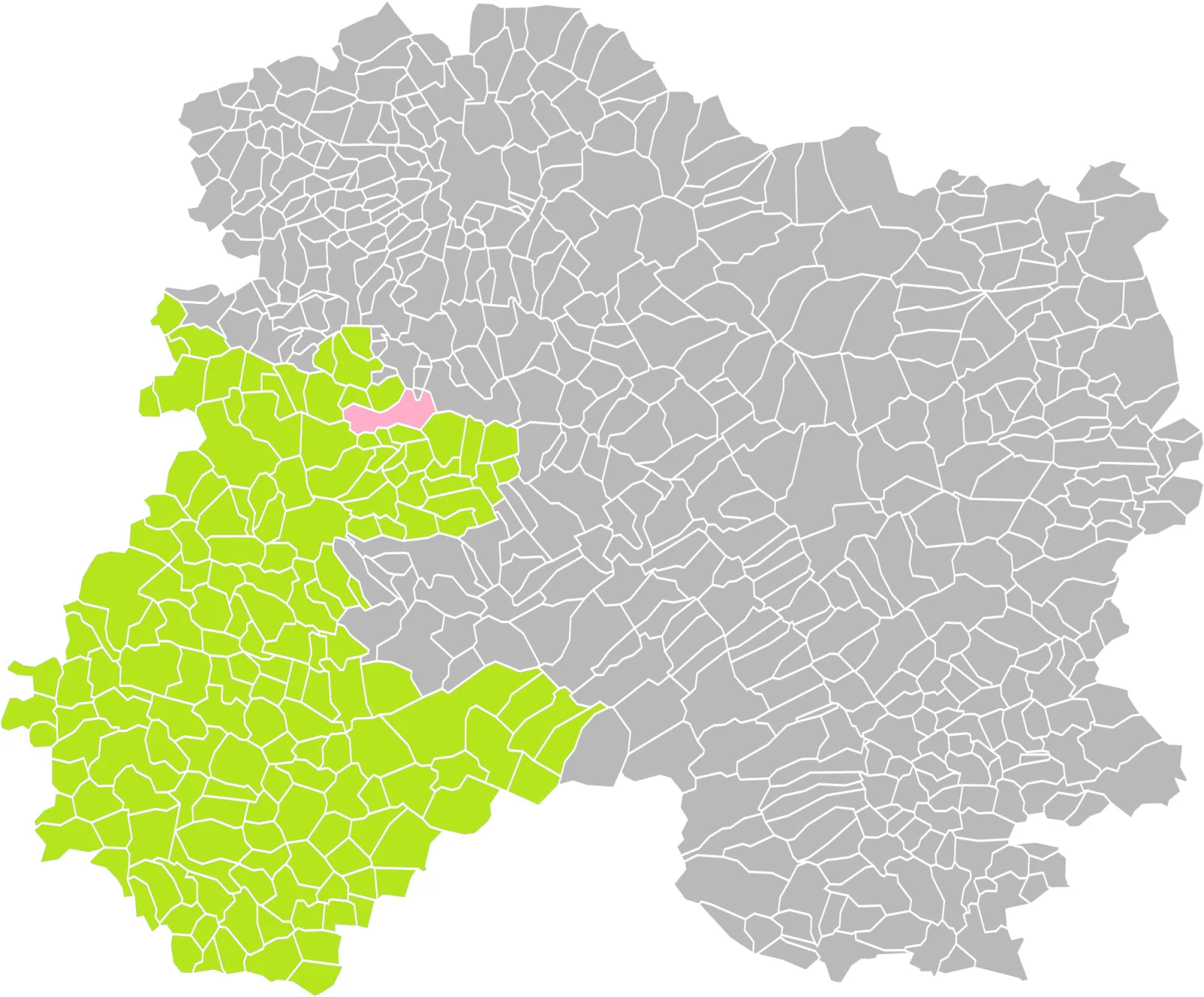
The most useful comparison is usually with Reims, which is about 27 km to the north. The two cities fit easily into the same itinerary, especially if you want to combine short transfers and avoid days that feel too fragmented. Épernay is also connected to smaller villages nearby, such as Oiry and Magenta, which expands the network of possible stops without leaving the central area of Champagne.
If you are putting together a multi-day circuit, it is worth thinking of Épernay as a hub between the city and its immediate surroundings. This makes it possible to fit the region into your plans without turning the trip into long back-and-forth travel: sleep in Épernay, head to Reims when it makes sense, and along the way take in the small towns that surround the city.
Frequently asked questions
How much time should I set aside to visit Épernay?
Half a day may be enough to walk along Avenue de Champagne and take a tour. If you want to go at a more relaxed pace and include other stops, it’s worth setting aside a full day.
Which champagne maisons should I visit in Épernay?
Moët & Chandon, Perrier-Jouët, Pol Roger, De Venoge, De Castellane, Mercier, Mumm and Don Pérignon are among the options mentioned. The experience varies between tours, tastings and shorter visits.
What is there to do besides the champagne houses in Épernay?
Château Perrier is the main visit outside the maisons, along with the Notre Dame church. It is also worth walking through the areas linked to the city’s underground cellars.
Is it better to stay in central Épernay?
Yes. Staying in the center makes getting around easier and helps you make the most of your stay. The article mentions budget-friendly and practical options for those who just want a good base to sleep.
Is Épernay a good base for exploring the Champagne region?
Yes. The city is close to Reims and smaller villages in the surrounding area, which makes it easier to plan an itinerary with short trips around the region.