Innsbruck, Austria: how to get there, what to do and where to stay
Innsbruck: see how to get there, how many days to book, and what to do in the center, the surrounding area, and in the snow to put together a practical itinerary.
Where Innsbruck is and how to get there
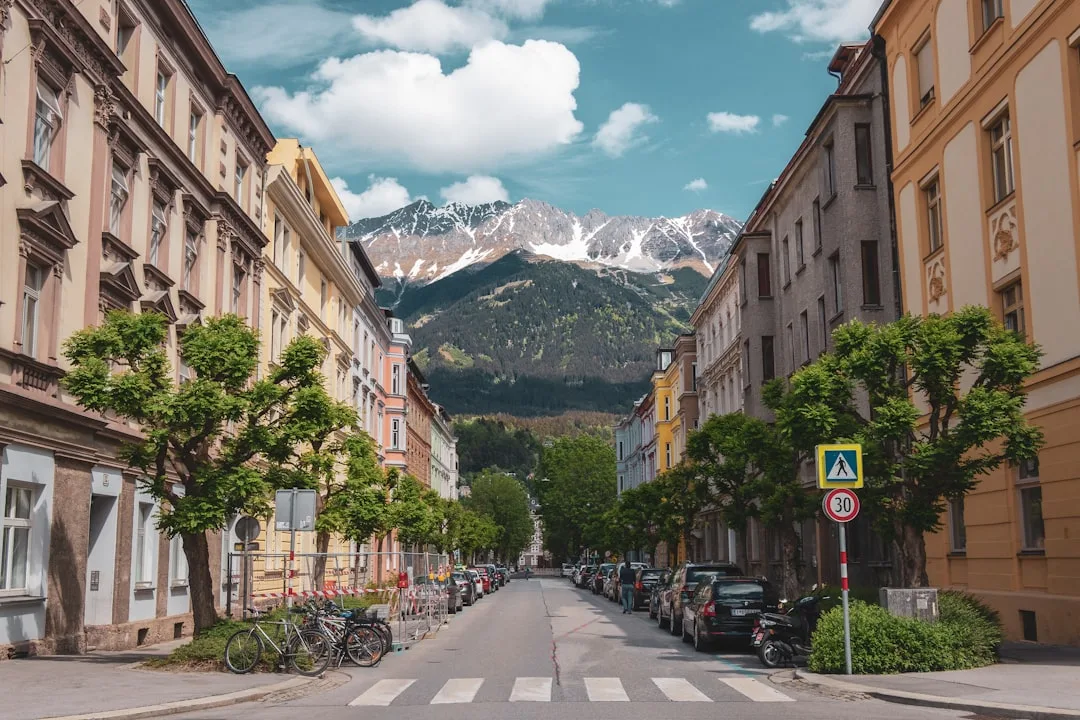
Innsbruck is in Tyrol, in western Austria, between the mountains and the railway axis that connects the region to other Alpine cities. Vienna is about 470 km away, a drive of approximately 5 hours.
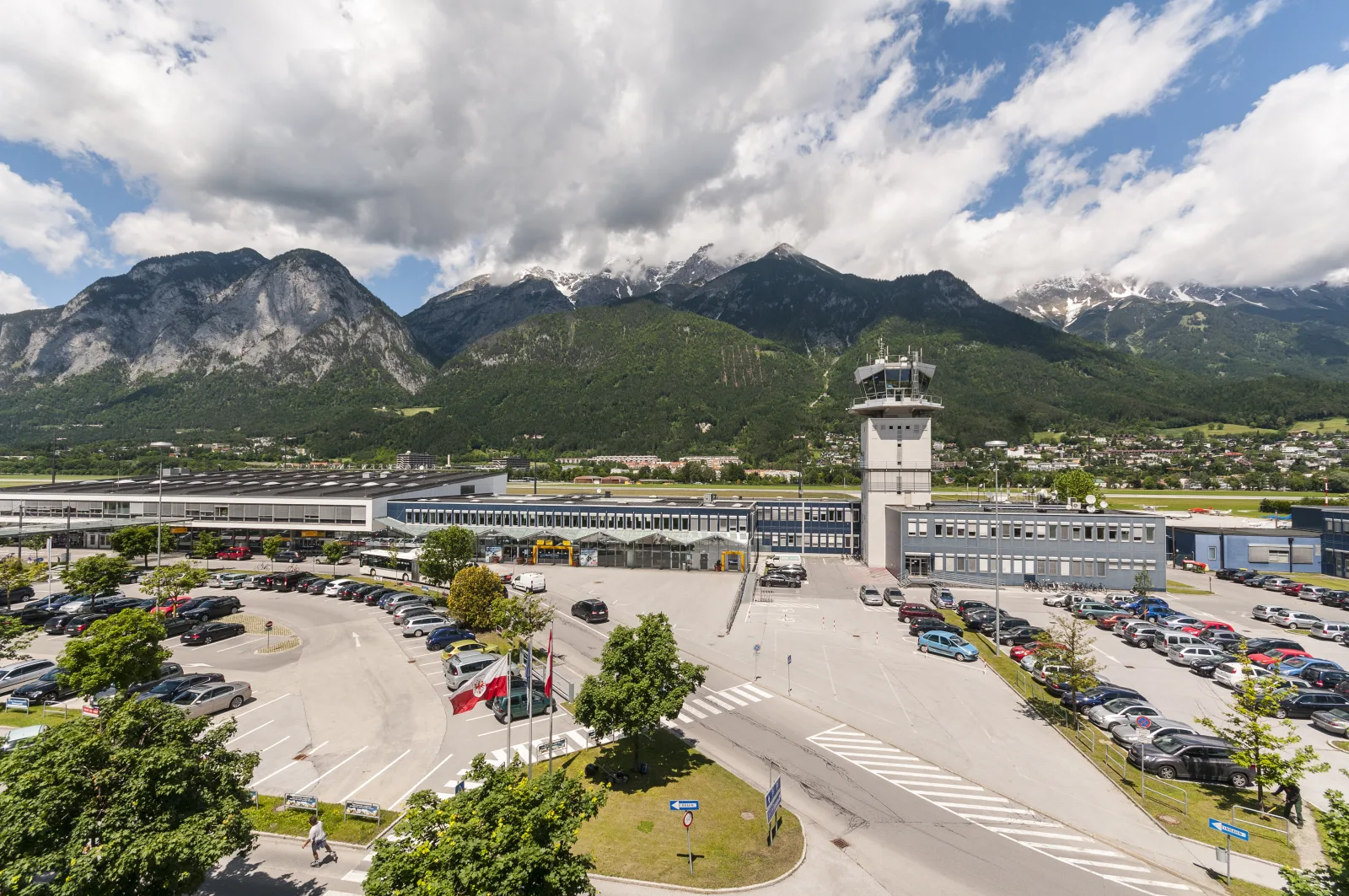
Those arriving by plane use Innsbruck Airport, which is just a few kilometers from the center. It receives flights from Vienna and Graz, as well as connections with cities such as London, Amsterdam, and Frankfurt.
By train, arrival is convenient from Salzburg, Munich, and Verona, with frequent departures. Tickets usually cost between 30 and 50 euros, but it is worth checking in advance because fares vary quite a bit depending on the date and demand.
There are also buses, with the station located near the central train station, which makes connections to other cities easier. By car, Innsbruck works well as a base for those coming from Salzburg, for example, and wanting to keep exploring Tyrol. Public transportation in the region also helps a lot with short trips between the capital and nearby towns.
How many days to set aside for Innsbruck
To see the city's main sights at a relaxed pace, two days are enough. With three, the trip becomes more comfortable, because you avoid squeezing everything in back-to-back and still have room for unexpected delays, weather changes, or simply returning to a place that deserves more time.
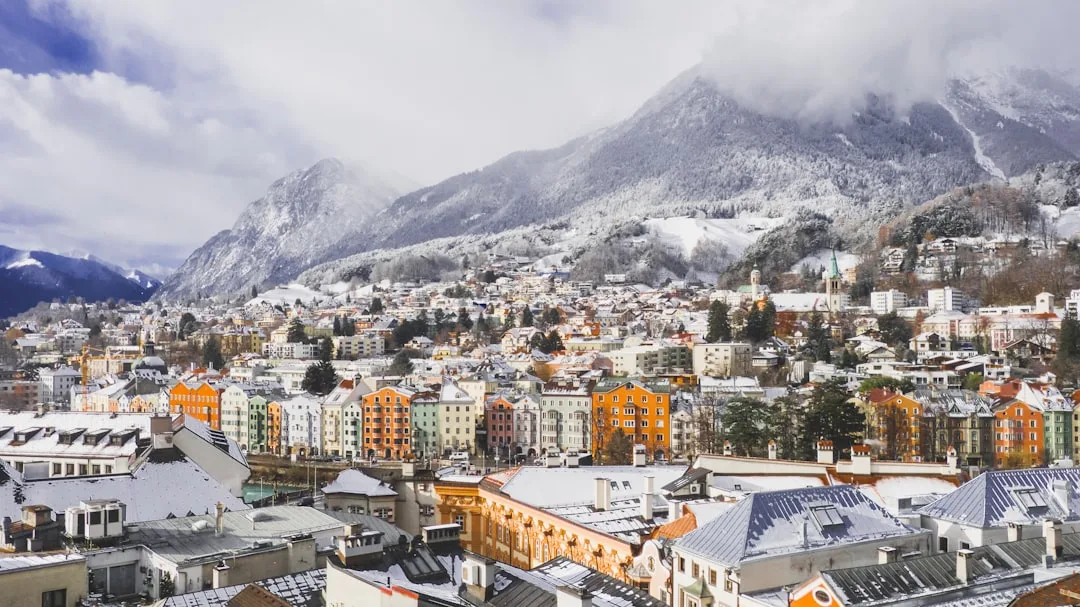
If the idea is to include attractions in the surrounding area, the itinerary calls for more flexibility. Hall in Tirol, Wattens, Schwaz, and Zell am Ziller fit better when you have at least one or two extra days, without turning the trip into a rush of transfers. The same goes for anyone who wants to combine the city with snow: between slopes, cable cars, winter hikes, and day trips around Tirol, an extra day helps keep the schedule from feeling too tight.
For winter sports, plan beyond the basics. After an intense day in the snow, it is worth setting aside at least a break before moving on to another longer program. The body feels the strain, especially if you are skiing, snowboarding, or hiking on alpine terrain. On a trip centered around this, four to five days make more sense than a short stay, because they allow you to alternate activity and recovery without sacrificing the experience.
Editorial transparency: Some links on this page are affiliate links. We may earn a commission at no extra cost to you. This does not influence our recommendations.
What to do in the center of Innsbruck
Hofkirche is the most direct stop for anyone wanting to see a central piece of Innsbruck’s imperial history. The church houses the empty sarcophagus of Maximilian I, surrounded by 28 bronze statues, including one of King Arthur. Admission costs 7 euros for adults and is free for children; it is open Monday to Saturday, from 9 a.m. to 5 p.m., and on Sundays, from 12:30 p.m. to 5 p.m.
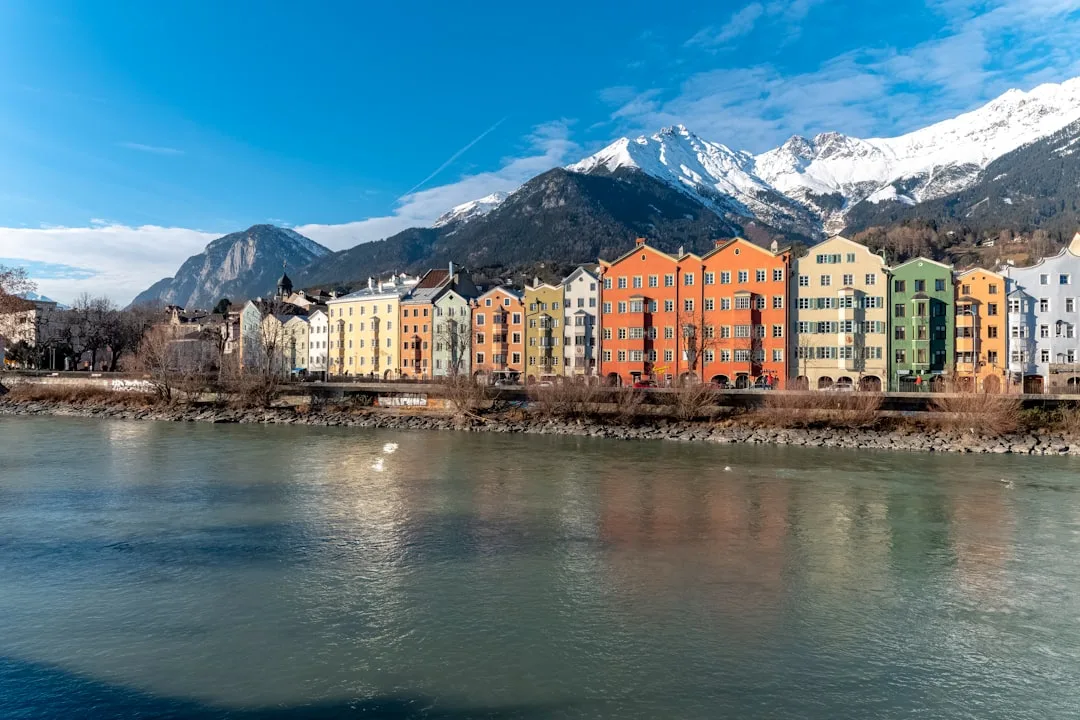
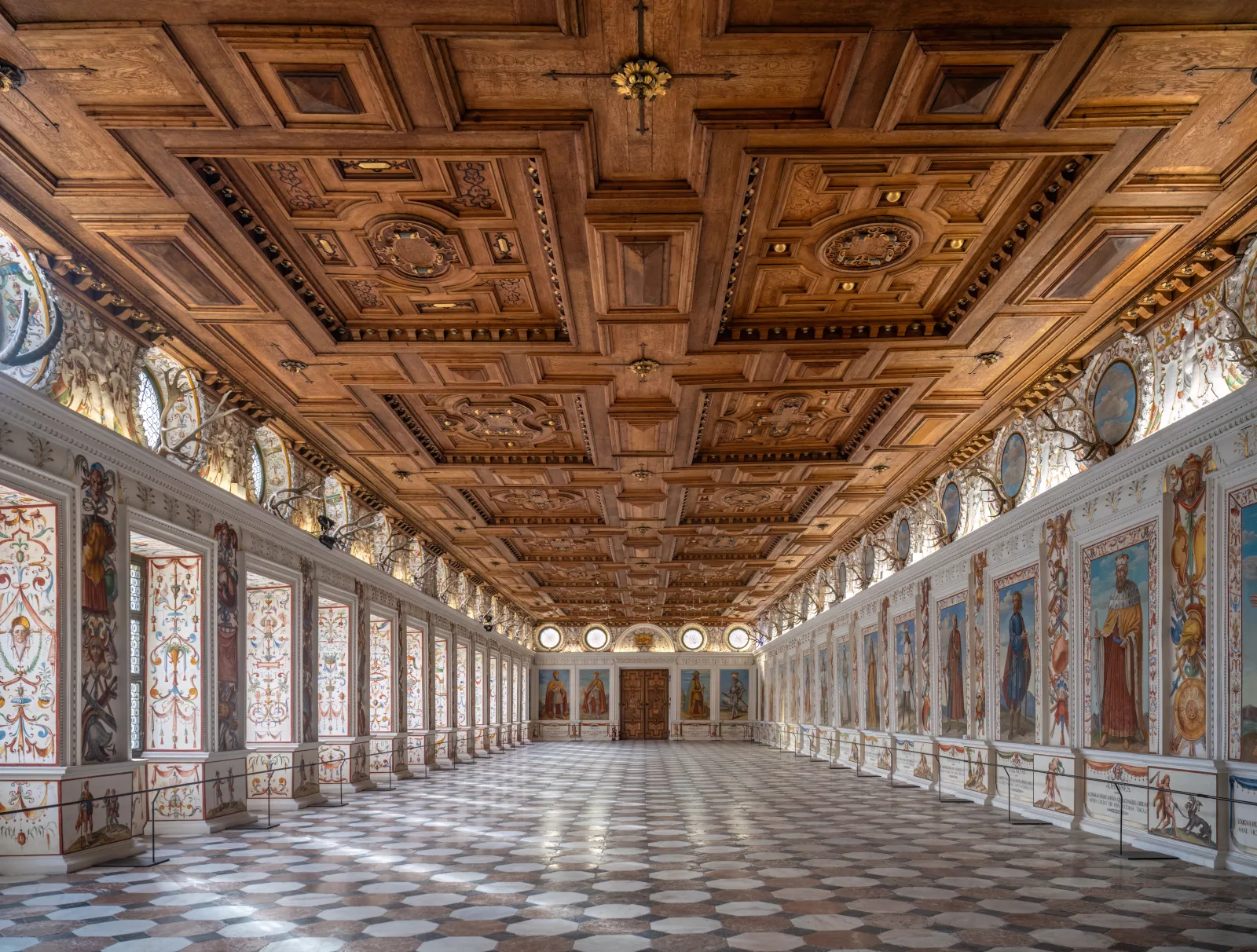
Schloss Ambras works well for those who want to combine a palace and gardens without leaving the city. A visit inside costs 10 euros for adults and is free for children; the gardens have free access and are open from 6 a.m. to 8 p.m. The palace is open from 10 a.m. to 5 p.m. Inside, the highlight is the Spanish Hall, as well as the Kunst und Wunderkammer, with curious pieces and collections that are quite off the beaten path. Hofburg, on the other hand, makes it onto the itinerary because of its scale and historical weight: the 15th-century imperial palace underwent a Baroque renovation in the 18th century, admission costs 9 euros, and the stated opening hours are from 9 a.m. to 5 p.m.
In the historic center, the Goldenes Dachl stands out for its roof covered with 2,657 golden copper tiles. There is a museum inside, useful if you want to understand the history of the building and the city, especially if you have the Innsbruck Card. The Tiroler Landesmuseen, also called Ferdinandeum, brings together Bronze Age pieces, works by Rembrandt and Klimt, charges 11 euros for adults, is free for children, and is open Tuesday to Sunday, from 9 a.m. to 5 p.m.
To see the city from another angle, head to Bergisel. The platform sits above Innsbruck, reached by more than 450 steps or by funicular, and the glass-and-steel structure was designed by Zaha Hadid. This is where the ski jump is located, the highlight of the visit. Nordkettenbahnen, meanwhile, takes you from the center to the top of the mountain with the same set of views that usually justifies the climb; the ride also gives access to the alpine zoo, if you want to fit the visit into the same route.
How to save on visits with the Innsbruck Card
The Innsbruck Card is worth it when you want to concentrate several visits into the same period and use local transport without having to add up ticket after ticket. It includes free admission to the city’s main sights, a round trip on a cable car or funicular, unlimited use of public transport, and bike rental. It also offers discounts at other attractions, so the benefit is not limited to the most obvious admissions.
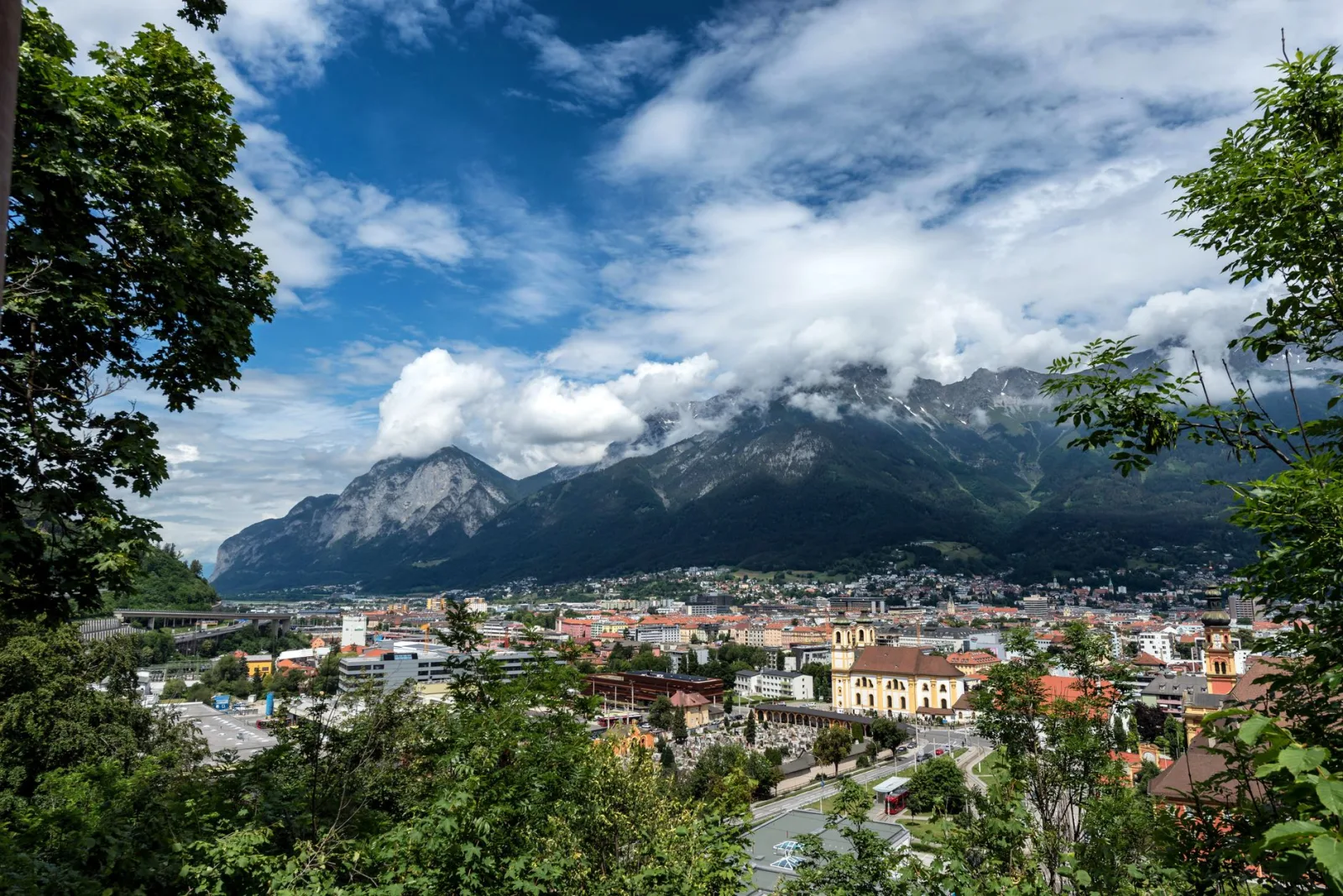
The prices listed are 38 euros for 24 hours and 55 euros for 72 hours. For children, the price is half. Buying it makes more sense if you plan to fit several paid visits into the same day or if you want to use travel around the city as part of the itinerary, especially when the idea is to go up and down the mountain without paying for each leg separately.
Before buying, compare what you will actually use with the card period. If the plan is a short outing with few attractions and little travel, it may not pay off as much. If the schedule includes several museums, viewpoints, and public transport over 24 or 72 hours, the savings become easier to see.
What to do at night in Innsbruck
In winter, the Christkindlmarkt is the most direct way to stretch out the day without complicating the itinerary. The city’s Christmas markets bring together stalls with seasonal food and drinks such as glühwein, similar to mulled wine, and punsch, along the lines of quentão. In more touristy areas, the cup can cost 1 to 2 euros; if you want to keep it, you can, and the return of the container usually depends on the venue.
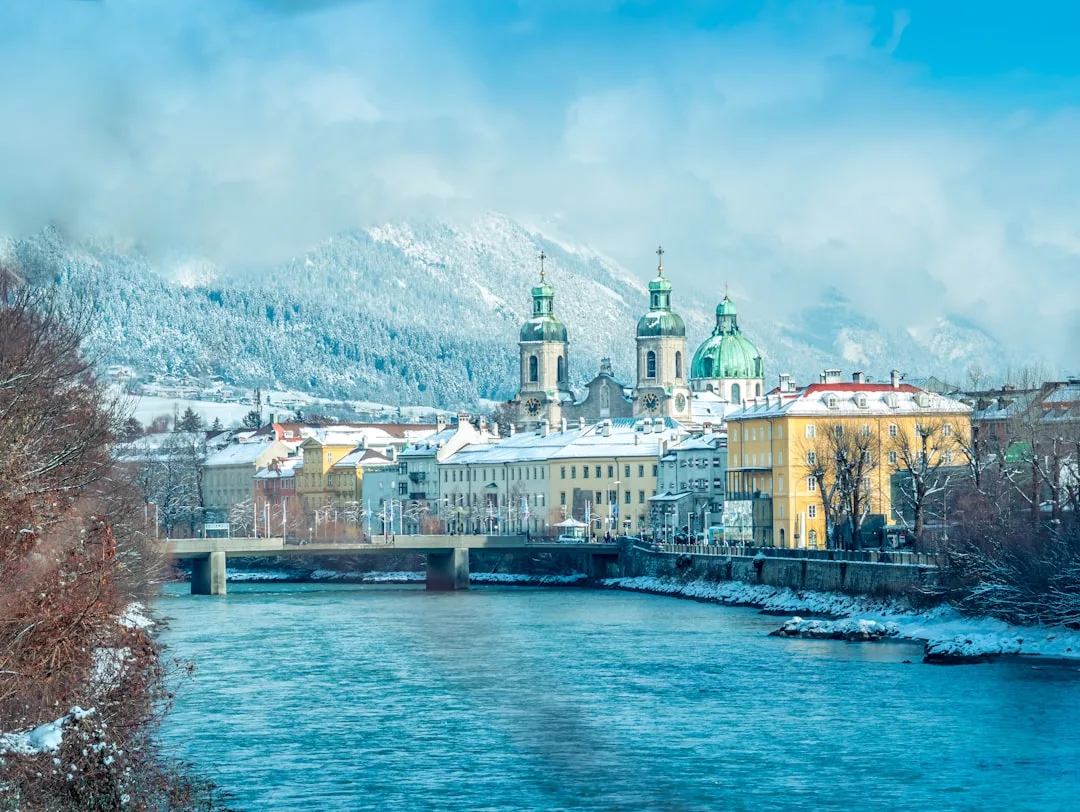
For an evening with a view, Bar 360 works well. The idea is simple: drinks with a 360-degree panorama over the city and the Alps. It’s a place to sit, have a drink, and take in the scenery after sunset, without needing a long dinner.
Theresienbräu fits into the itinerary when the idea is to stay at the table longer. It’s the brewery that produces its own beer in Innsbruck and serves typical dishes, with a garden area in biergarten style and live events. If you want a more casual evening, with food and drinks in the same place, it does the job without requiring extra planning.
Skiing and winter sports in Innsbruck and Tyrol
For those who want to enjoy snow without complicating logistics, the clearest hub is the Nordkette. The area brings together access to Nordpark, the Hafelekar-Rinne descent for very experienced skiers, the Nordkette Singletrail for mountain biking on steep terrain, and the Innsbrucker Klettersteig, aimed at those who do via ferrata in an alpine setting. The same area serves very different profiles, but each activity requires its own preparation and suitable equipment.
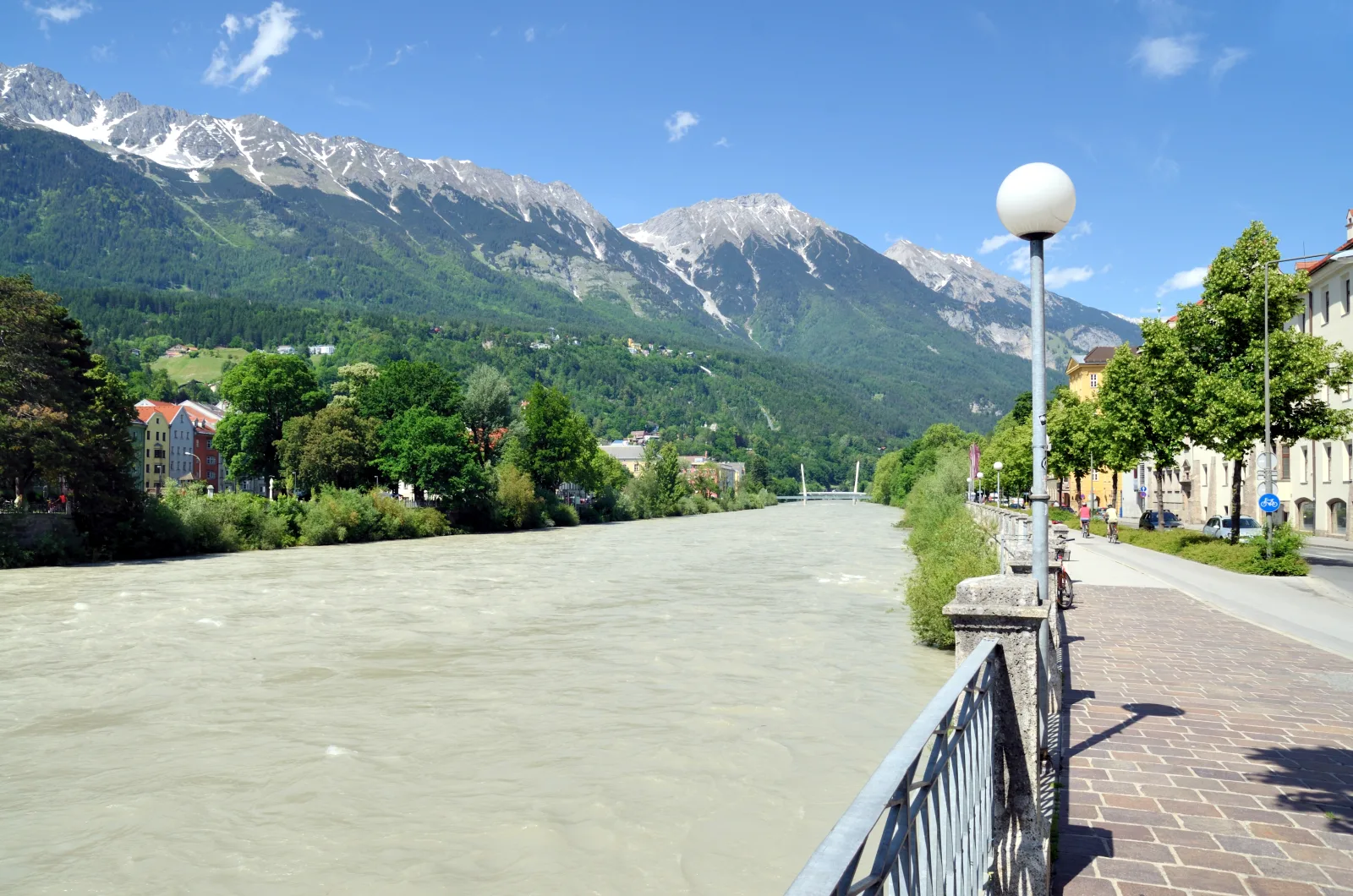
OlympiaWorld functions more as an urban sports base than as a mountain area. The complex has an ice skating rink and also hosts events and concerts, which helps those who want to fit in a winter activity without leaving the central area. If skating is the plan, it is worth checking the schedule and opening hours on the day of the visit, because this type of facility often varies according to events and season.
In Tyrol, the Zillertal greatly expands the options for those who want to ski or do cross-country skiing. The valley includes the Hintertuxer Glacier area, one of the best-known options for more reliable snow throughout the season, as well as the Mayrhofen area, where the Ahorn and Penken mountains concentrate ski and snowboard runs. In Penken, the focus changes throughout the year: in winter, the priority is downhill skiing; outside the season, trails and mountain activities come into play. If the itinerary includes this region, always confirm the opening of the areas and the snow conditions before leaving Innsbruck.
Day trips around Innsbruck
Hall in Tirol fits easily into the itinerary for anyone who wants to spend a few hours outside Innsbruck without making a long trip. The medieval center still preserves the kind of narrow street that helps you understand the scale of the city, and Burg Hasegg is worth the stop for the castle itself and the spiral staircase. If you climb the five floors, the reward is the view of the mountains. Pfarrkirche St Nikolaus also stands out for its collection of decorated skulls, a visit that goes beyond the obvious and usually appeals to those who like less conventional places.
In Wattens, the Swarovski Kristallwelten works well as a half-day trip. The space combines museum, outdoor areas, and crystal installations, and makes sense for those who want something more visual without straying too far from the Innsbruck route. Admission costs 19 euros for adults and 7.50 euros for children, with opening hours from 9:00 a.m. to 7:30 p.m. If the idea is to make the most of the outdoor area, it’s best to go while there is still daylight.
Schwaz offers a different kind of visit: the Silberbergwerk, the former silver mine, now open to the public as an underground tour. The mini-train ride through the tunnels is usually popular with families as well as those looking for something different from the classic sequence of museums and churches. In Zell am Ziller, the Jodel Wanderweg puts visitors in touch with Tyrolean rural landscapes, passing huts, pastures, and cows on a trail associated with yodeling. It’s a good addition to the itinerary if you want a slower outing, with an easy walk and alpine scenery, instead of an indoor attraction.
Where to eat and where to stay in Innsbruck
For breakfast and brunch, Breakfast Club is the most straightforward choice in the center of Innsbruck. It serves pastries, waffles, pancakes, and breads, with service until 4 p.m. It’s the kind of place that handles a relaxed start to the day well, especially if you want something simple and hearty before heading out on your itinerary.
Die Wilderin works with Austrian cuisine in a more contemporary key, using regional ingredients and changing the menu according to the season. It’s a good option when the idea is to eat local dishes without falling into a heavy or outdated version of Tyrolean cuisine. Restaurant Olive Wiltener Platz comes in a different register: it also suits those looking for a lighter alternative, with a few vegetarian options on the menu, although the highlight here is the overall experience rather than a specific dish.
For accommodation, The PENZ Hotel is in the center and usually falls in the 180 to 300 euros per night range, with rooms that are more comfortable in profile. Stage 12 is also in a central area and offers private or shared rooms, which helps adjust the budget without leaving the most practical area for walking around. Hostel Marmota is a little farther from the tourist core, but it offers private and shared rooms, with nightly rates in the 28 to 55 euros range.
If you want to save money, Marmota is usually the most direct starting point. If you prefer staying in the center without relying as much on transportation, Stage 12 and The PENZ Hotel make more sense, with very different profiles in terms of comfort and cost.
What to know before traveling to Innsbruck
The currency in circulation is the euro. In Innsbruck, it is still common to deal with cash in part of the commerce, so it is worth having some cash on hand even if you use cards frequently. In tourist areas, English usually works well on a day-to-day basis, although German is the local language and appears on signs, menus, and service outside the busiest spots.
To enter the Schengen area, entry requirements must be in order before the trip, and travel insurance is mandatory. Since these requirements can change depending on the country of origin and the time of travel, the best thing is to confirm the current situation before boarding, without leaving this detail until the last minute.
There are also no direct flights from Brazil to Innsbruck. In practice, arrival usually requires a connection in another European city, which affects both the total travel time and the planning of the itinerary. If you want to fit Innsbruck in with less room for improvisation, this is a point that needs to be taken into account from the start.
Frequently asked questions
How many days are enough to get to know Innsbruck?
Two days are enough to see the city’s main sights. With three days, the itinerary becomes more relaxed and allows for breaks or short trips in the surrounding area.
Is it worth buying the Innsbruck Card?
It is more worthwhile if you plan to visit several paid attractions and use public transport during the same period. For a short trip, it may not pay off as much.
What are the main attractions in Innsbruck’s center?
Among the most important visits are the Hofkirche, Schloss Ambras, the Hofburg, the Goldenes Dachl, and the Tiroler Landesmuseen. Bergisel and the Nordkettenbahnen also fit well into the itinerary.
Is Innsbruck a good base for winter sports?
Yes. The city provides quick access to the Nordkette and areas in Tirol, such as the Zillertal and Hintertuxer Glacier. It is a practical base for skiing, skating, and other snow activities.
Which day trips make sense from Innsbruck?
Hall in Tirol, Wattens, Schwaz, and Zell am Ziller are practical options for half-day or full-day trips. Each offers a different kind of outing, from historic centers to silver mines and alpine trails.