Graz: what to see, how to get there, where to stay, and how much time to set aside
Graz: see what to do, how to get there, where to stay, and how many days to plan to organize a practical itinerary through the Austrian city.
Where is Graz and why the city is part of the itinerary
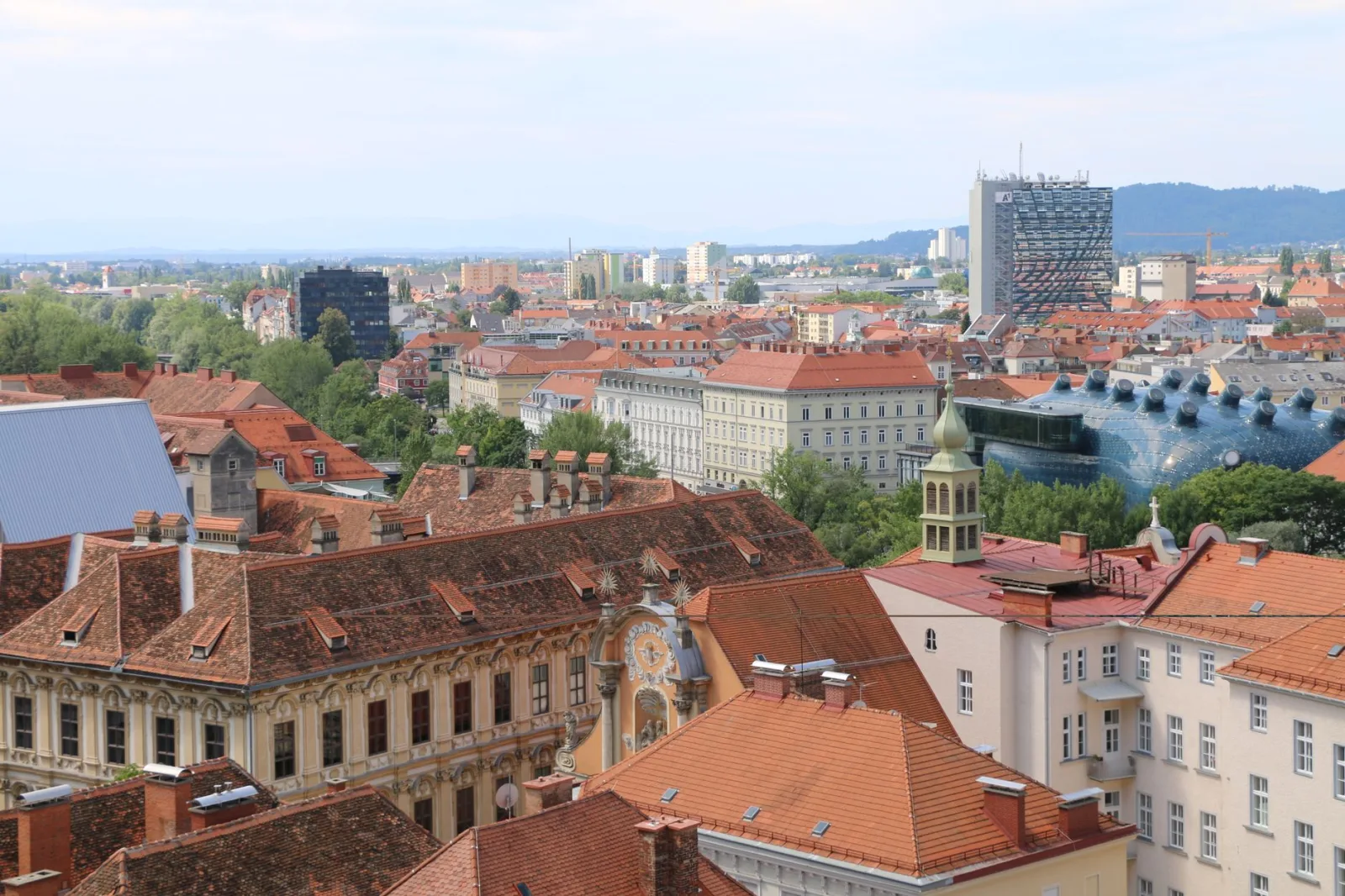
Graz is located in southeastern Austria and is the capital of Styria. It is also the country’s second-largest city, but it remains small enough to be explored without the feeling of a metropolis. With fewer than 300,000 inhabitants and a strong student presence, the urban pace is usually lighter than in better-known Austrian destinations.
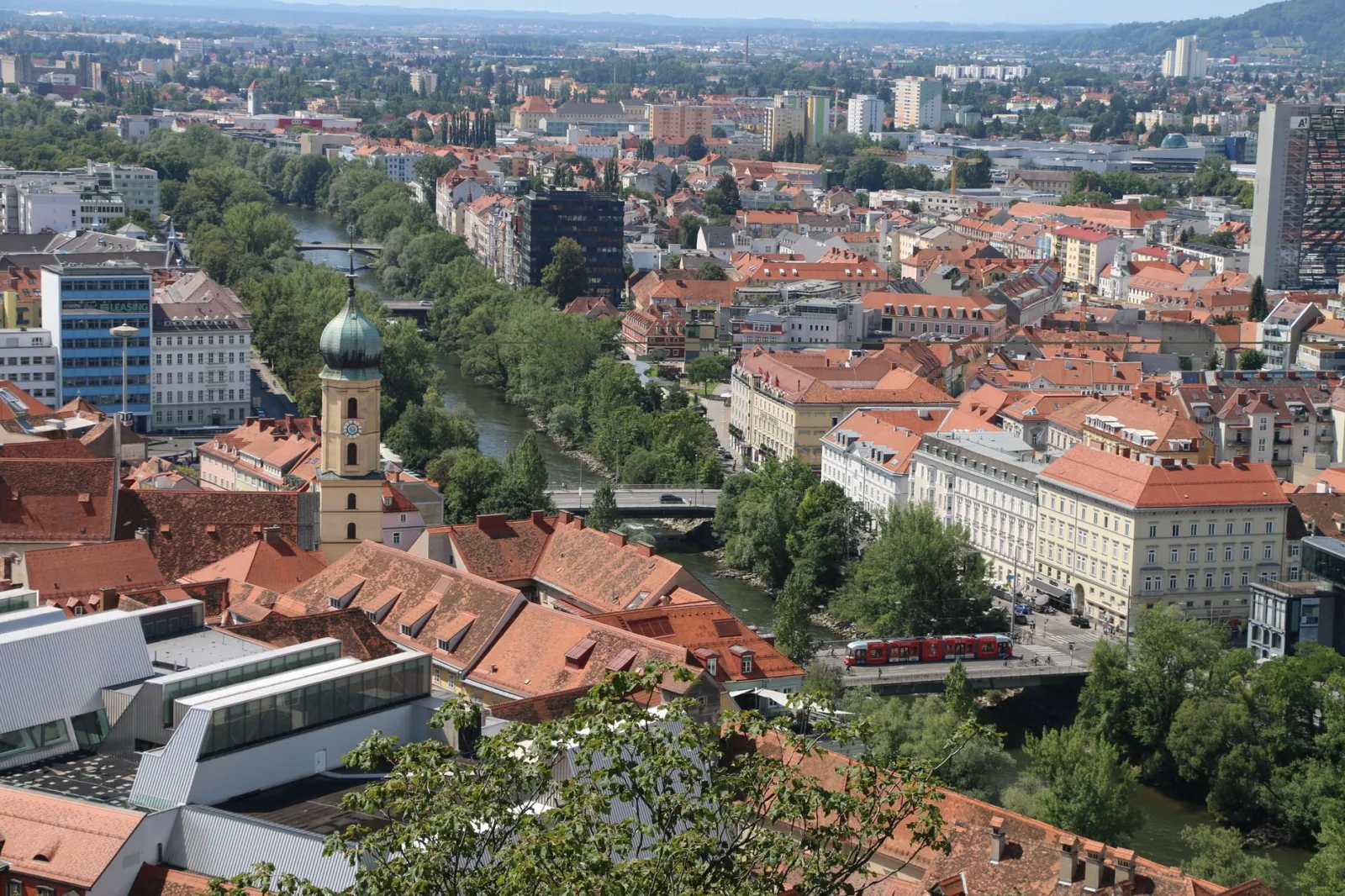
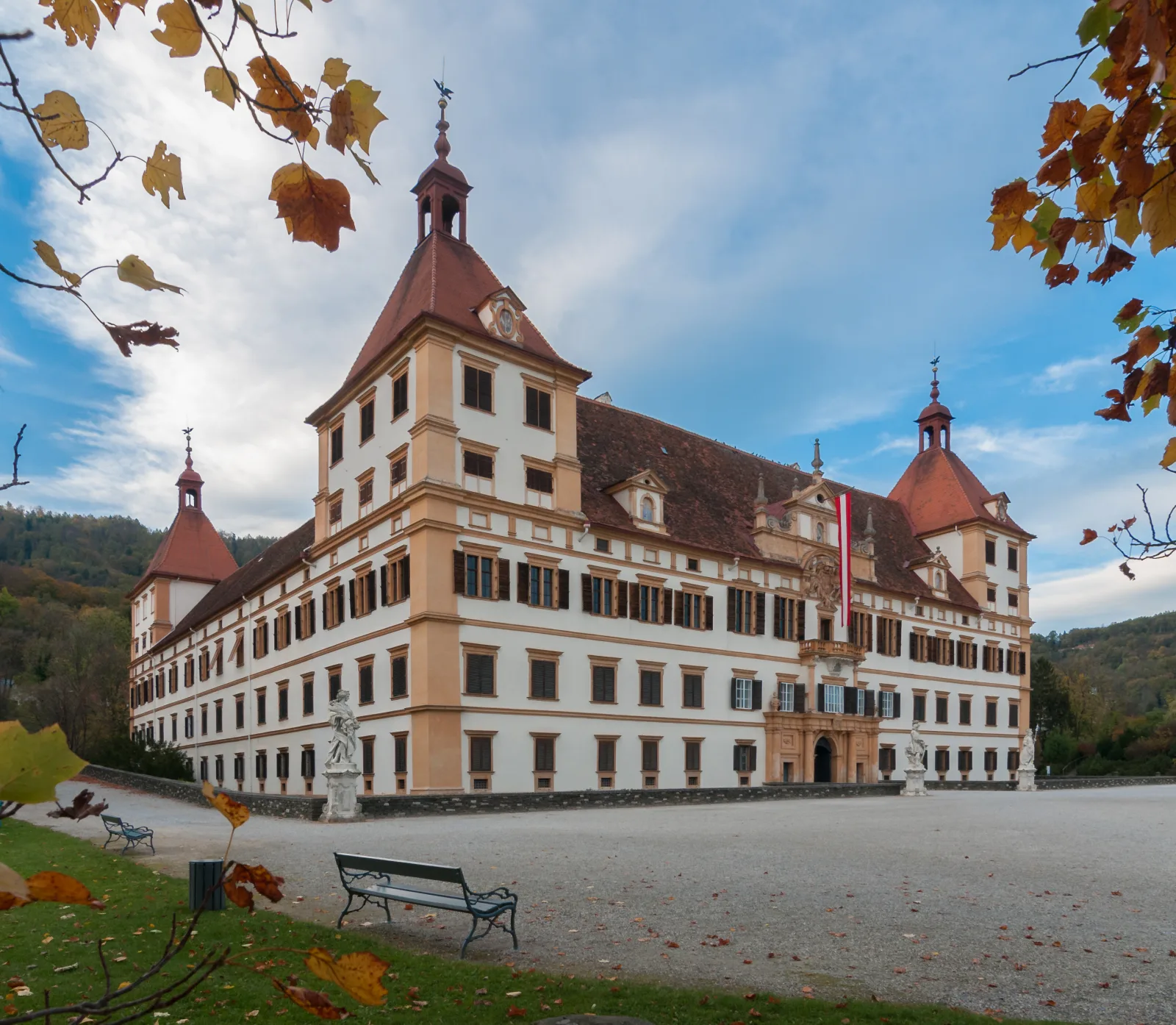
The historic center is well preserved and concentrates much of the city’s appeal for those traveling for culture and history. The urban landscape shows traces of Slavic and Italian influence, visible in façades, volumes, and Renaissance details that appear frequently in the old core.
The historic center and Schlossberg are on the UNESCO World Heritage list. This helps explain why Graz is part of the itinerary for those who want to walk through old streets, see preserved architecture, and visit a city that does not rely on long lines or highly crowded attractions to work well as a destination.
In 2003, Graz received the title of European Capital of Culture. For those looking for a trip focused on heritage, university life, and a less touristy atmosphere, it often fits better than more obvious Austrian cities at first glance.
How to get to Graz by plane, train, bus, and car
The city is easily accessible by air, land, and rail. The airport receives direct flights from cities such as Berlin, Frankfurt, Zurich, Rome, and Glasgow, which helps those who want to fit Graz into a European itinerary without complicating connections. For those who prefer to arrive by train or bus, there are frequent departures throughout the day, including convenient links with Vienna, Salzburg, Zagreb, Ljubljana, and Budapest.
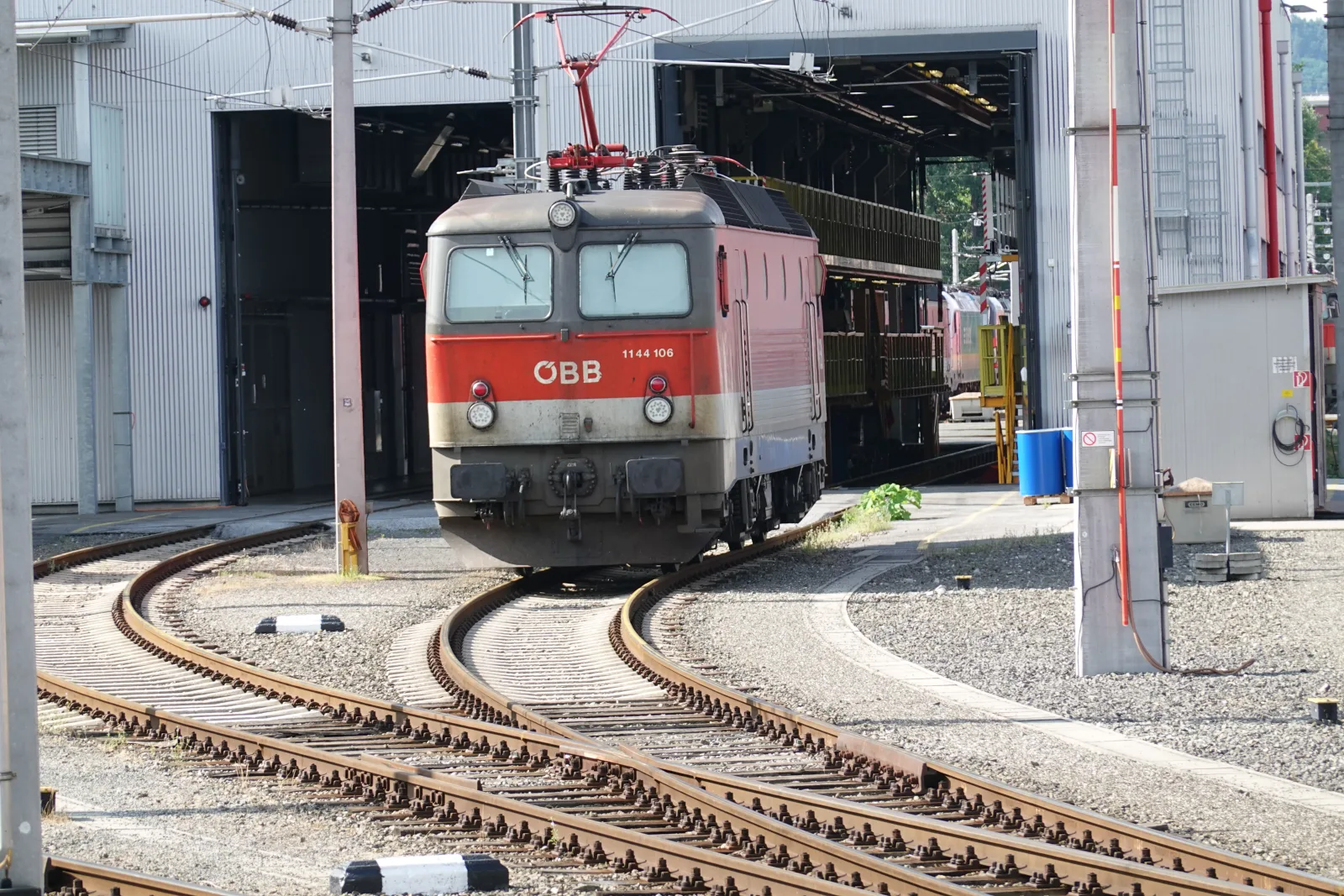
From Vienna, the train is the most direct and regular connection; from Salzburg, Zagreb, Ljubljana, and Budapest, access is also usually straightforward for those who do not want to rely on a car. If the idea is to enter and leave the city with flexibility, this network works well. The important thing is to check the schedule for the chosen day, because frequency and availability change depending on the season and time.
By car, Graz is reached via well-signposted roads and the arrival is usually straightforward for those already traveling around Austria and neighboring countries. On Austrian highways, however, a Vignette is required, the mandatory sticker for using these roads. Before continuing your trip, confirm whether the vehicle already has it and whether the route includes sections subject to tolls.
For those who want to combine Graz with other stops, the car gives more room for adjustments; for those who want to reduce logistics, train and bus handle access well.
Editorial transparency: Some links on this page are affiliate links. We may earn a commission at no extra cost to you. This does not influence our recommendations.
How Many Days to Stay in Graz
You can see Graz’s main sights in one day, but the itinerary gets tight if you want to walk around without rushing and take breaks along the way. Those who stay overnight in the city make better use of the early morning and late afternoon, when the center is usually quieter.
With two days, the visit takes on a different pace. You can spread out your time more comfortably and fit the city into the rhythm of a trip that doesn’t depend on check-in and check-out on the same day.
If the idea is to include the surrounding area, such as Admont, it’s worth reserving at least a weekend. That way, you won’t turn the trip into a sequence of transfers and still leave room for road delays, schedules, and weather.
What to do in the historic center and along the banks of the Mur River
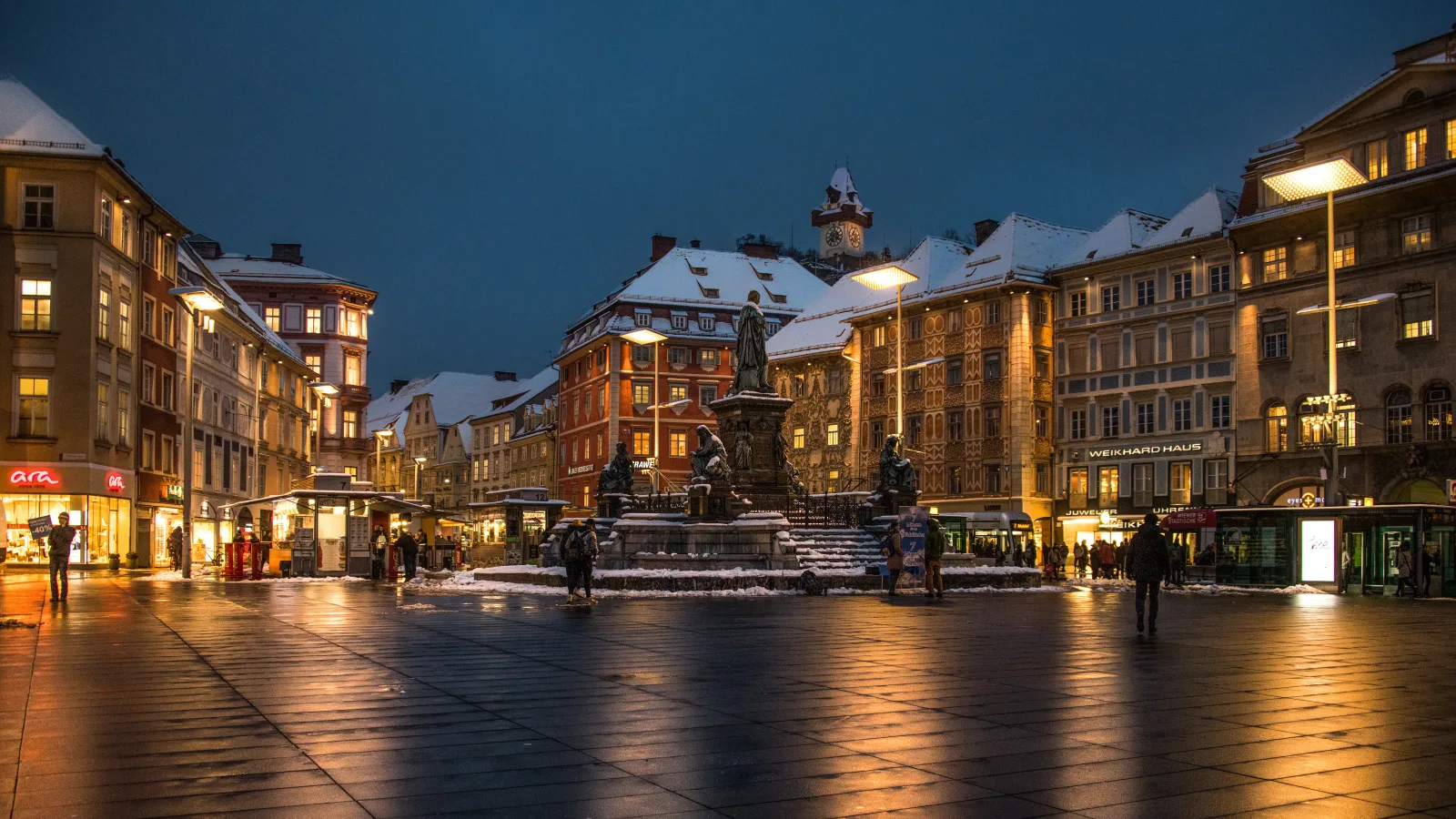
Walk through the historic center at a leisurely pace. It is the most useful area for understanding the city up close: old façades, short streets, cafés on the street, and a layout that still allows you to take in the whole without much effort. The Hauptplatz works as a natural reference point, with the feeling of a square that is truly lived in, rather than a backdrop.
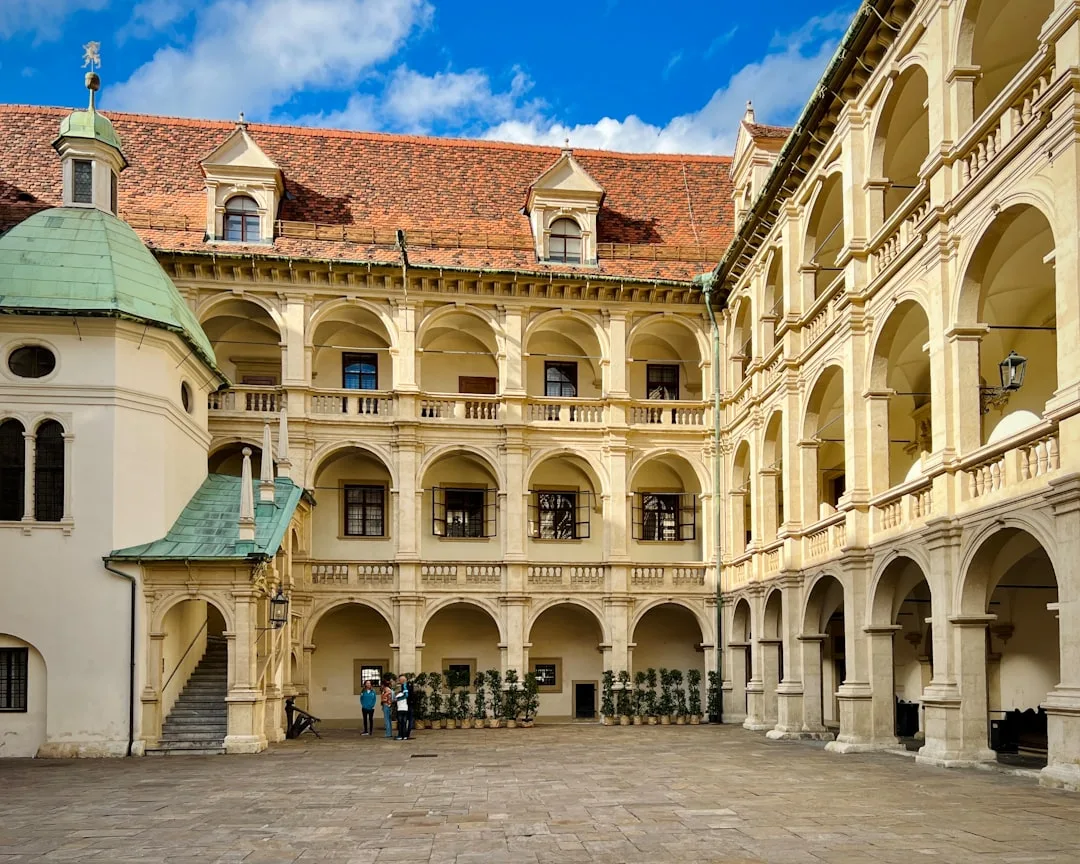
A few steps from there is Graz Cathedral, with an interior that blends Gothic and Baroque features. It is worth going in for the set of paintings and for the change in atmosphere compared with the surrounding streets, especially if you like to see how the city alternates between public space and religious space without major interruptions along the way.
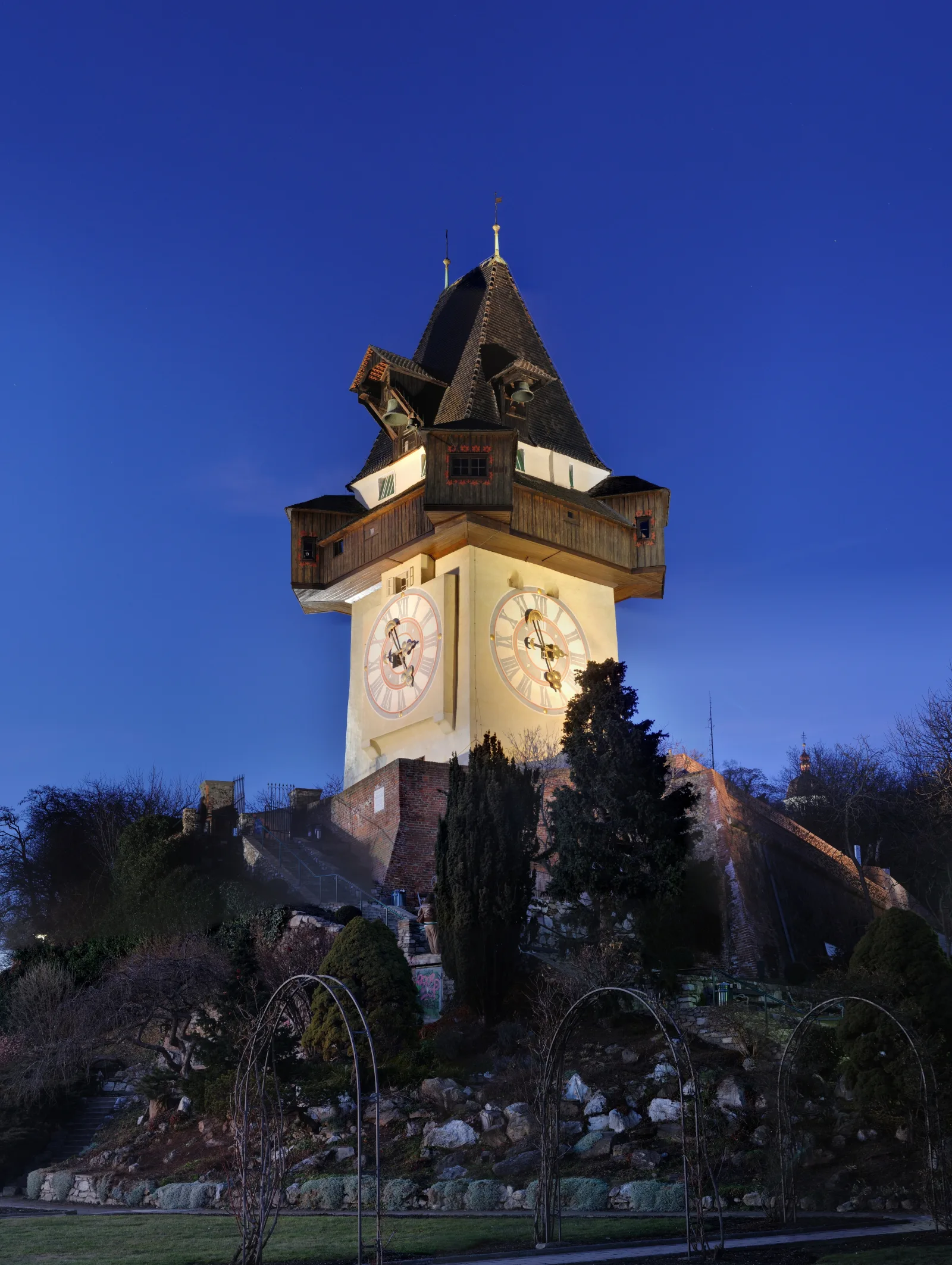
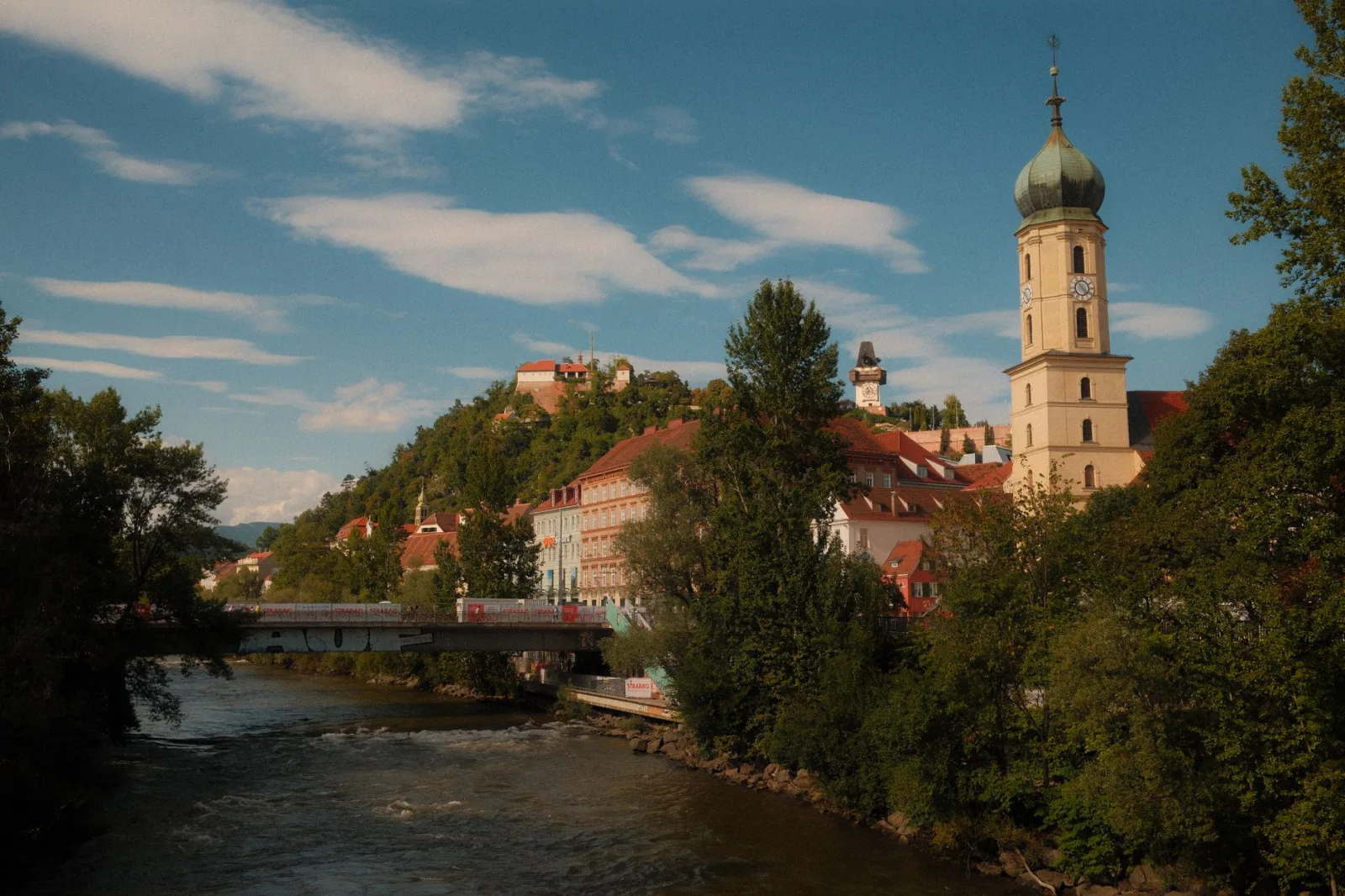
The Schlossberg is the climb that changes the reading of Graz. Up there, the Clock Tower is the best-known landmark, and the view helps organize everything you have seen in the center. Still within the castle, the double spiral staircase draws attention for its stone construction and unusual design, while the walk up the hill offers shaded areas, viewpoints, and a slower pace to round off the visit.
In the lower part of the city, the Kunsthaus Graz breaks the sequence of historic buildings with its contemporary shape, and the Murinsel brings that same change to the Mur River. Between the two, walking along the riverbanks works well because it connects the oldest areas to the city’s modern side without requiring a detour. It is a short stretch, easy to fit into the same day, and makes sense for anyone who wants to see Graz through the relationship between water, architecture, and urban space.
Day trips near Graz to extend your trip
Admont deserves at least half a day. The Benedictine monastery stands out for its library, the architectural ensemble, and the scale of the visit, which goes beyond Graz’s urban circuit. Those interested in sacred art, old books, and well-preserved religious buildings usually fit this detour in without much effort, especially if they are already planning to sleep outside the city.
The Weinstrasse works best for those who want to leave Graz heading toward vineyards and small roadside stops. The appeal here lies in the route, with curves, rural scenery, and tastings in places that live off wine. If the idea is to drive and stop without rushing, it is worth choosing a short stretch and checking in advance which wineries are open on the day of the visit.
Johnsbach is part of the itinerary for those who want mountains and hiking. The region has trails of different levels and usually appeals both to those who want an easier outing and to those seeking more demanding terrain. Mariazell, on the other hand, changes the tone of the trip: the basilica attracts pilgrims and visitors who want to see one of Austria’s most important religious centers, with enough time to observe the city’s rhythm.
In Thal, the museum dedicated to Arnold Schwarzenegger offers a biographical stop, more specific than panoramic. The visit is especially interesting for those who want to understand the local origins of the public figure and see objects, images, and references to his childhood. To combine these trips with Graz without rushing, choose one per day and confirm opening hours and operations before leaving.
Where to eat and go out at night in Graz
For typical food, Gasthaus Stainzerbauer works well if you want local dishes without too much formality. It is near the Schlossberg and was designed for a more affordable meal, with the kind of service that works just as well for a midday break as for a simple dinner.
If the idea is to eat with more attention to the menu, Caylend Restaurant is the most sophisticated option on the list. It offers a tasting menu, is located near the river, and is a better fit for couples or for anyone who wants to sit down unhurriedly. The bill tends to be higher than that of a gasthaus, so it is worth going in already expecting a premium-range meal.
Aiola Upstairs makes sense when the view matters more in the choice than the cuisine itself. It serves international cuisine and remains useful even in winter, because there is a glass-enclosed room. For a less formal night out, The Churchill Bar and O’Sullivans Irish Pub work well: the former has a good selection of beers and gins, while the latter follows the traditional pub style and usually works better for those looking for a relaxed atmosphere. Bar Ernst Fuchs is an alternative with more of a local feel, for those who prefer to move away from the British repertoire and go straight to an Austrian bar.
Where to stay in Graz
Grand Hôtel Wiesler is located along the Mur River and in the city center, which makes it easy to stay close to the historic core without giving up a more upscale setup. It is the best choice among the three for those who want more comfort, with well-kept rooms, soundproof windows, and a highly praised breakfast. Rates start at 130 euros, with breakfast included and parking charged separately. Some rooms have a bathtub in the window, a detail that makes sense for couples or for anyone who values a room with more personality.
Star Inn Hotel Premium Graz by Quality is close to the center and in an area with cafés and restaurants nearby. It is the most balanced option for those who want to keep an eye on their budget without ending up in a hotel that is too basic. The rooms are comfortable, there is breakfast on the terrace, and there are also family rooms with a sofa bed. The hotel also accepts dogs and cats at no extra cost. Rates start at 70 euros, with breakfast included and parking paid separately.
Minihotel Graz is the most economical alternative of the three. It is in the heart of the city and has a garden and terrace, but the focus here is simplicity with some comfort, not luxury. Rates start at 40 euros for a single room, without breakfast or parking. It works well for solo travelers who want to spend less without giving up a well-located base.
Language, currency, travel insurance and other practical details
German is the official language in Graz. In tourist areas, hotels, restaurants and attractions, English usually solves most situations, but menus and practical information still often appear in German. If you depend on written details, it is worth confirming in advance whether the place has service or material in English.

The currency is the euro, since Graz is in the European Union and the eurozone. In many places, card payment works, but cash still circulates quite a bit in everyday life. Before relying on a card, check whether the establishment accepts debit and credit, because that is not guaranteed at every location.
For those entering Austria, travel insurance for the Schengen area is required. In addition to meeting this rule, it helps avoid high medical costs outside your plan. If you are already putting together your itinerary, it is worth purchasing coverage before the trip and checking whether it meets the minimum required for the destination.
Practically speaking, Graz behaves like a mid-sized European city, with well-organized services and a mix of card and cash use. Having some euros in cash makes small meals, tickets and everyday purchases easier, while the card is usually the most convenient option for larger expenses.
Frequently asked questions
How many days are enough to get to know Graz?
One day is enough to see the main sights, but two days make the itinerary more relaxed. If you want to include the surroundings, such as Admont, it is worth reserving a weekend.
What are the main places to visit in Graz?
The historic center, Graz Cathedral, Schlossberg with the Clock Tower, Kunsthaus Graz and the Murinsel are among the highlights. Walking along the banks of the Mur River also helps you understand the city.
How to get to Graz?
Graz is accessible by plane, train, bus and car. There are frequent connections with cities such as Vienna, Salzburg, Zagreb, Ljubljana and Budapest, as well as an airport with direct flights from some European destinations.
Where to stay in Graz?
For more comfort, the Grand Hôtel Wiesler is a good central base. The Star Inn Hotel Premium Graz by Quality balances price and location, and the Minihotel Graz is the most economical option.
Is Graz worth it for a short trip?
Yes. The city works well for a short visit because the historic center is compact and easy to explore on foot. It is also a good base for combining with nearby outings.