Gramado: what to do, when to go, and how to choose attractions
Gramado: what to do with fewer transfers, how to combine attractions, and how much time to set aside to put together a more efficient itinerary.
How to organize a trip to Gramado without trying to see everything
The attractions are spread across the city center, the link with Canela, and the countryside area, so trying to fit everything in usually ends up being a waste of time. The best use of the itinerary is to choose a few attractions and leave the rest for another trip, if you have limited time available.

The first selection is between the classics, which help you understand the more traditional Gramado, and the newer attractions, which take up much of the Gramado-Canela corridor. Then come the agrotourism outings, for those who want to get out of the urban circuit, and the day trips, which require longer travel or even an overnight stay elsewhere. This division is useful because it avoids mixing parks, countryside visits, and outings to the region on the same day without criteria.
It also makes a difference to accept that almost nothing is free. In Gramado and Canela, the paid options are abundant, and that forces you to choose. Instead of trying to fit eight tickets into one day, it is worth looking at the length of stay of each attraction and building short combinations: one main outing, a nearby add-on, and, at most, one stop along the way.
In practice, the itinerary becomes more efficient when you first decide what you want to see: the city, a park, scenery, the countryside, or a longer outing. From there, combining attractions from the same block reduces travel time and avoids repetition.
The classics of Gramado worth including in your itinerary
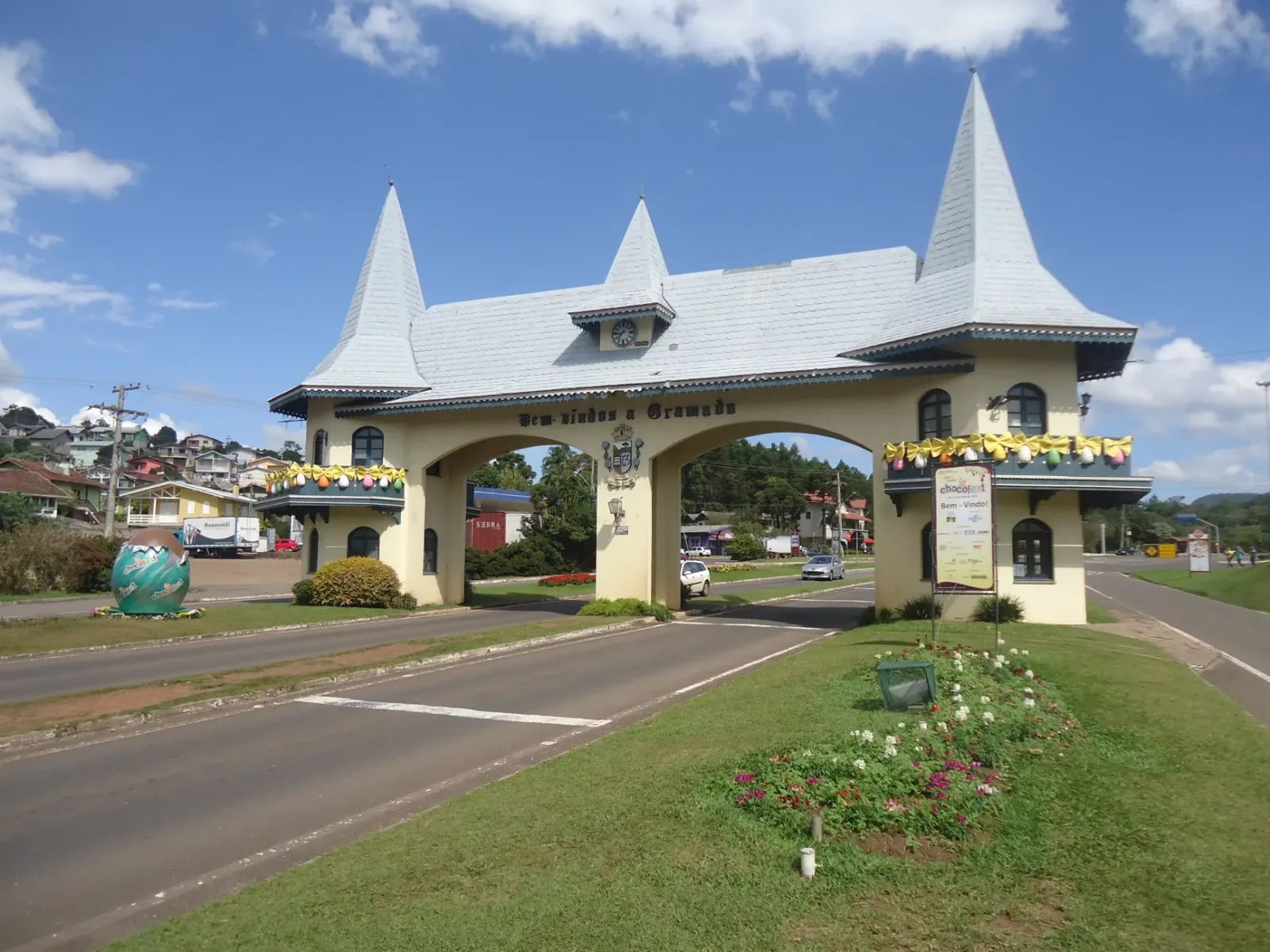
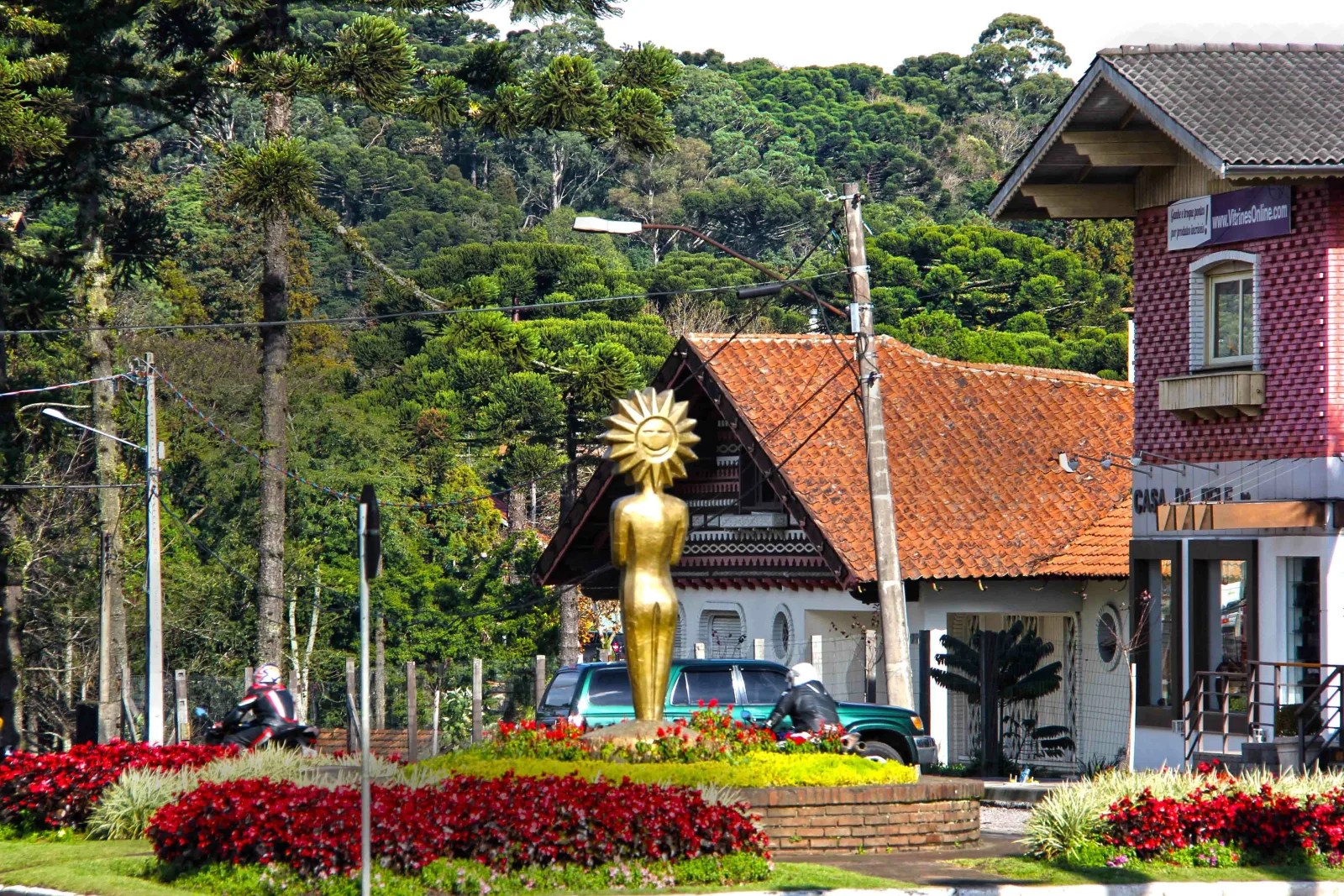
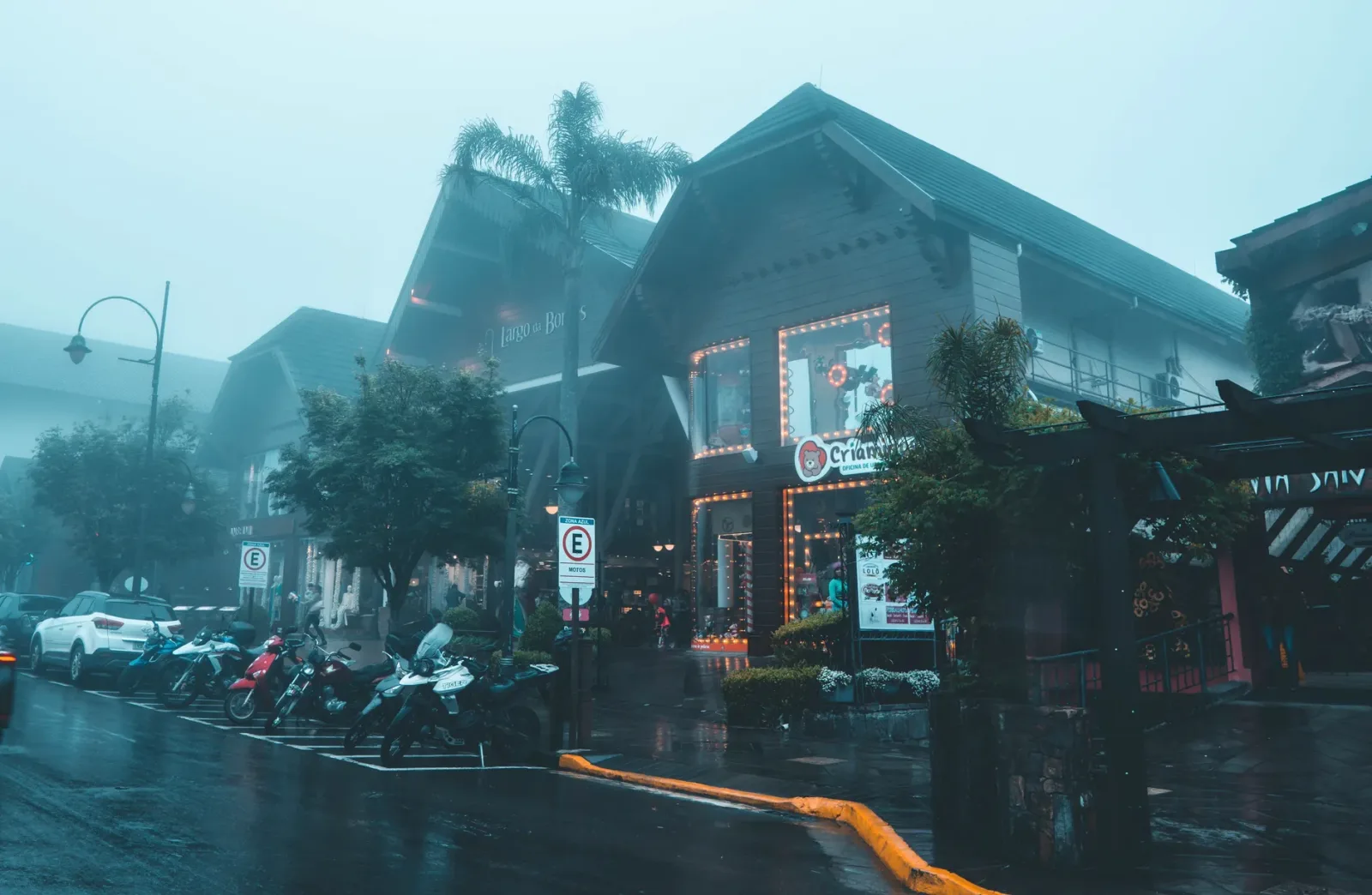
Gramado’s downtown calls for a walking tour with plenty of time to spare. A loop through the area takes about 2 hours and includes Praça das Etnias, Borges de Medeiros, Rua Torta, the Matriz church, Palácio dos Festivais, and Rua Coberta in the same circuit. It is the most useful part of the city to feel the pace of downtown, look at shop windows, stop for coffee, and understand why Gramado became a short-trip destination.
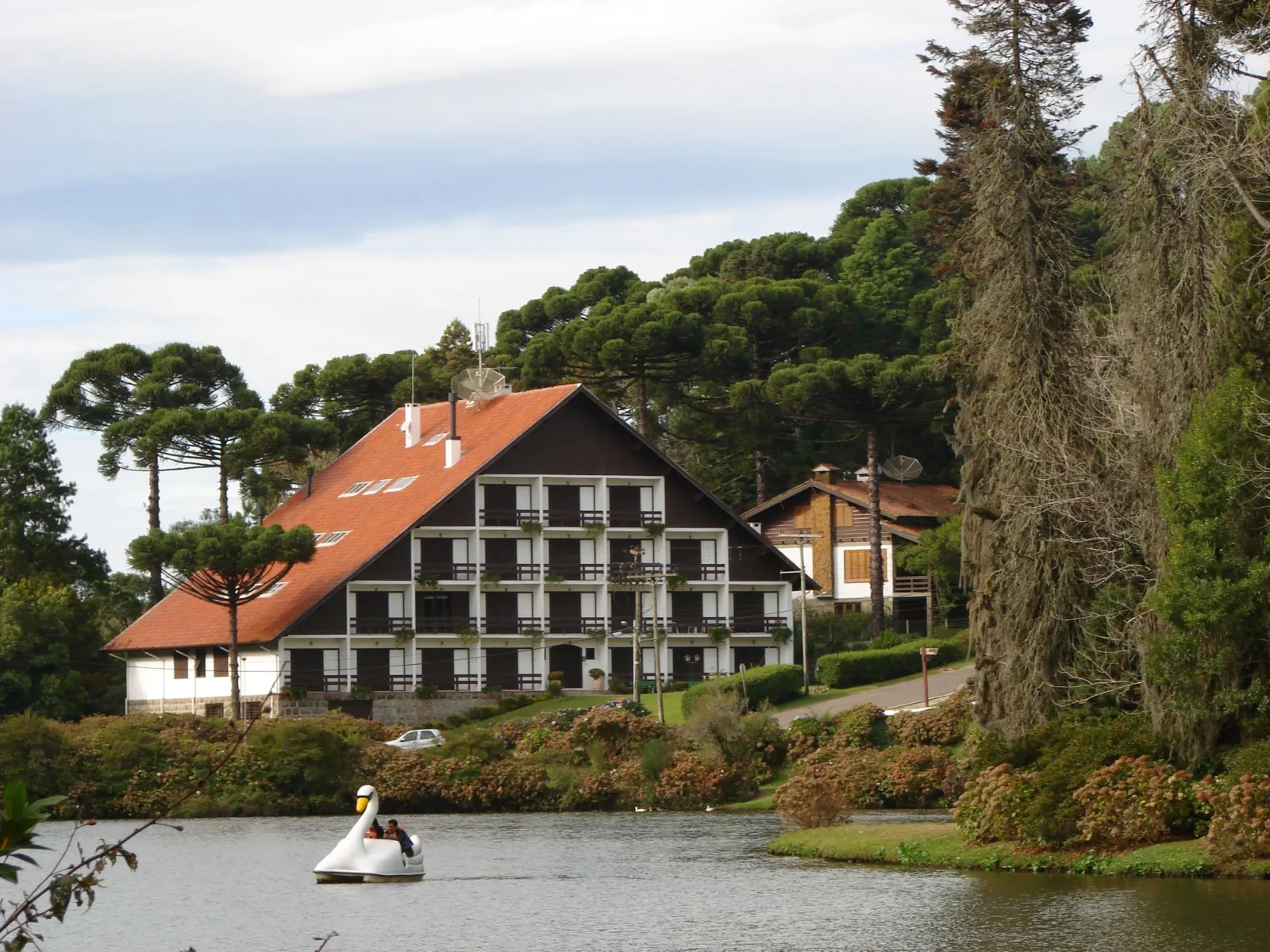
Lago Negro works well when you want an easy, uncomplicated outing. Set aside about 90 minutes to walk around the area and, if you like, take a pedal boat ride. The lake is artificial, with pine trees brought from the Black Forest, and the surroundings change quite a bit with the season; in summer, hydrangeas become part of the landscape. Mini Mundo, meanwhile, calls for about 60 minutes and fits easily into the itinerary together with Lago Negro, since it is in the same area of movement. Its appeal lies in the detailed miniatures, which make sense both for those traveling with children and for those who enjoy observing construction and scenery at scale.
Praça das Etnias, with a stay of about 30 minutes, is a short and well-located stop next to the bus station. The stylized houses of German, Italian, and Portuguese origin serve more as a gateway to the history of immigration in the municipality than as a long tour. The set of Fornos de Gramado gives a concrete reason to stop: there is daily production of breads, sweets, and typical cookies, with sausage bread and grape cuca among the most sought-after items.
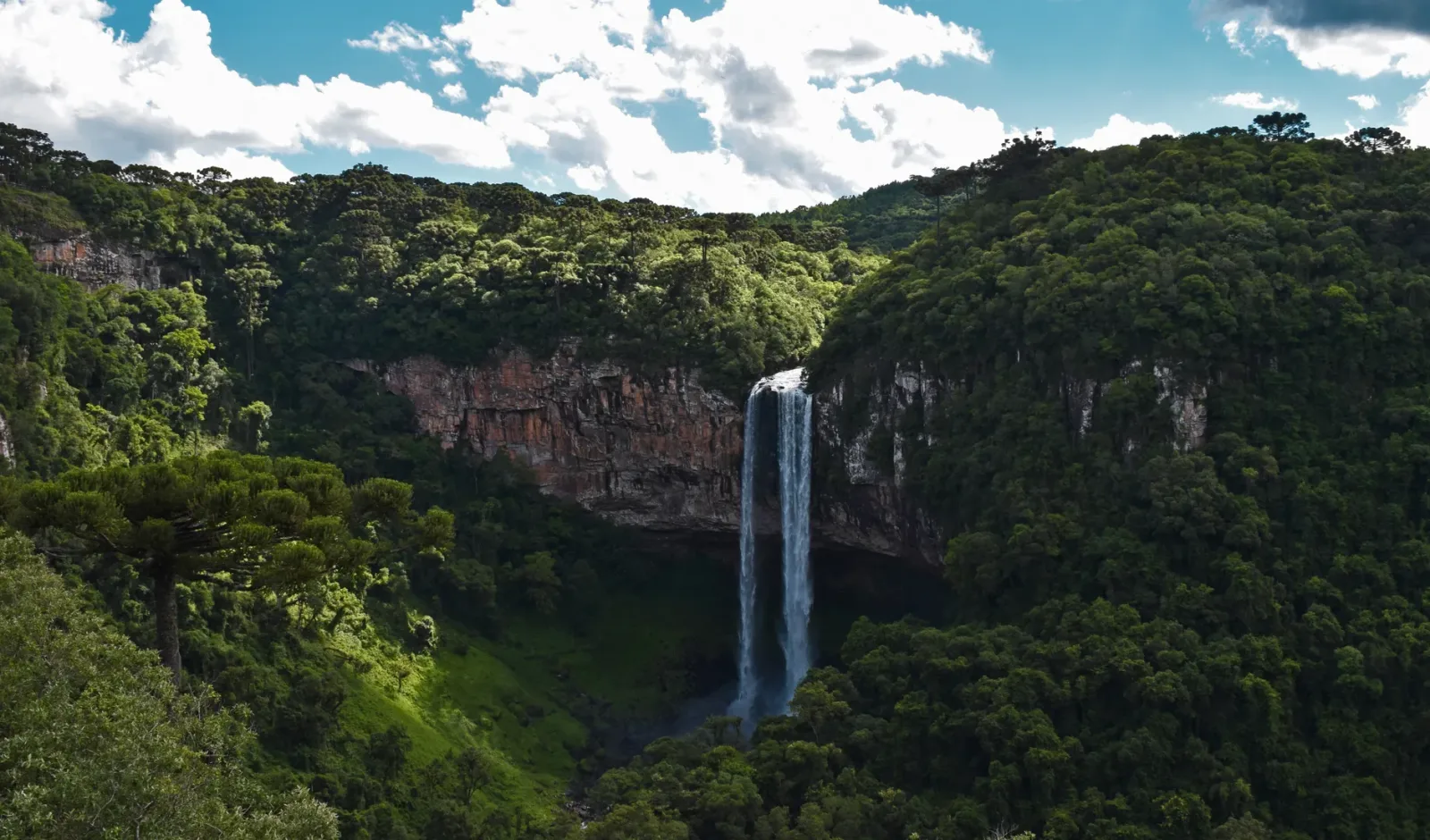
Prawer fits well as a quick visit, about 1 hour, especially if you want to see the factory without straying too far from the connection between Gramado and Canela. Parque do Caracol, on the other hand, calls for a different kind of stop: around 90 minutes. The waterfall is the main attraction, with a side view from the park; those who want a frontal view usually head to the Bondinhos Aéreos. Inside the park itself, the trails and picnic areas help turn the visit into a calmer outing, and the little train to Vila dos Imigrantes usually makes sense if there are small children in the group.
Editorial transparency: Some links on this page are affiliate links. We may earn a commission at no extra cost to you. This does not influence our recommendations.
The newest and most elaborate attractions in the region
Acquamotion, Snowland and Skyglass are the names that most require advance planning among the newer attractions in the Gramado-Canela axis, because each one calls for a different kind of schedule. Acquamotion takes 3 to 4 hours and operates as an indoor water park, with thermal pools, a children’s area, swim-up bar, wave pool, three outdoor pools, water slides and paid lockers; bring a towel, because the local option is to buy one. Snowland, with its indoor snow concept, usually works better as a half-day program, especially if the idea is to enjoy slopes and cold environments without depending on the weather outside. Skyglass is the opposite in terms of sensation: the glass walkway requires little logistics, but does demand real courage from anyone who doesn’t like heights.

The Bondinhos Aéreos make sense for those who want a front view of Cascata do Caracol without taking on a strenuous trail. The suggested stay is 90 minutes, enough for boarding, the viewpoint and a stop at the intermediate station, where there is the Esculturas que Falam room, with wooden pieces that emit sounds when touched. The same circuit of more structured attractions includes Space Adventure, NBA Park, Vila da Mônica and Museu da Moda. Space Adventure works well for those who like science and space; NBA Park is more interactive, with a central court, games, league museum, gamer area and kids’ space, taking about 2 hours; Vila da Mônica fits better with small children; and Museu da Moda surprises with its proposal to tell the story of 4,000 years of women’s clothing, in a visit of about 90 minutes.
At Olivas de Gramado, the logic is different: less enclosed park, more time spent there and more scenery. Set aside 3 to 5 hours if you want to combine the olive grove, the viewpoints over the canyons, the mini farm, the rural tour and the olive oil tasting, which needs to be scheduled upon arrival. There are extra paid options, such as electric motorcycles and flying bicycles, as well as the possibility of a picnic and sunset with musical programming. If your trip only calls for one or two major activities from this group, it is more efficient to choose based on the weather: heat and children point to Acquamotion or Vila da Mônica; unstable weather pairs with Snowland, Space Adventure or NBA Park; and a desire for views with structure leads to Skyglass, Bondinhos or Olivas.
Agrotourism, wine, and colonial products tours
Praça das Etnias and the Gramado Ovens help explain where the city got part of its culinary repertoire. Next to the bus station, the square brings together stylized models of German, Italian, and Portuguese houses, as well as a colonial products store open daily. At the ovens, inland residents take turns producing breads, sweets, and traditional cookies; among the most sought-after items are sausage bread and grape cuca.
For those who want to leave the central circuit and see a side more connected to local production, Vinícola Jolimont is the most straightforward wine visit in the surrounding area. The choice here depends on what you want from the stop: a more wine-focused tasting or an experience that combines tasting and a tour of the winery facilities.
Vinolab follows a different, more hands-on logic. The idea is to create your own wine, instead of just tasting labels. If the goal is to take a more active part in the experience, it makes more sense than a traditional tasting visit.
If time is short, fit Praça das Etnias in with the center and leave the other two tours for a second block of the trip. If there is real interest in wine, it is worth checking the current availability of visits and tastings before planning the day, because this kind of tour works better when you already know what you are going to do at each stop.
Attractions for children and rainy days
Vila da Mônica, Mini Mundo, Mundo a Vapor, Space Adventure and NBA Park are the names that come up first when the trip calls for indoor or mostly indoor activities with children. Vila da Mônica usually works best for younger kids; Mini Mundo handles different age groups well; Mundo a Vapor appeals to those who like mechanisms and demonstrations; Space Adventure makes more sense for children and adults who are curious about space; and NBA Park usually delivers more for those who already have some interest in basketball or want to burn energy with interactive activities. If the group mixes ages, the most useful criterion is to think about how long each person can handle being still in line, in an enclosed room, or on a guided circuit.
For rainy days, Snowland and Acquamotion keep the schedule going without depending on the weather. Snowland works as a half-day program, with a cold environment and a focus on the indoor snow experience. Acquamotion takes 3 to 4 hours and works best when the idea is to spend more time in pools and covered leisure areas, with the outdoor pools as a complement. In both cases, the experience is much more comfortable when you already accept that you’ll spend a large part of the day inside the attraction, without fitting in two or three more outings in the same time span.
If the concern is avoiding frustration with small children, it’s worth separating by type of effort. Mini Mundo and Vila da Mônica tend to be the easiest to fit into a short itinerary. Mundo a Vapor and Space Adventure require more attention from the accompanying adult, because the visit depends more on observation and moving between areas. NBA Park usually works better when the child is willing to take part in the activities, not just watch. Snowland and Acquamotion, in turn, require proper clothing and preparation for water or cold, so they make more sense as the main choice for the day than as a quick add-on.
Where to see landscapes, waterfalls, and viewpoints without wasting time
To choose among the viewpoints in the region, think about the kind of scenery you want to buy with your time. Parque do Caracol delivers the waterfall in a natural setting and works well for those who are comfortable with a more contemplative stop, with trails and a picnic area. The view of the fall is side-on within the park; if the idea is to see the front of the waterfall, the route changes to the Bondinhos Aéreos, which take you to the viewpoint at just the right height to photograph the whole scene. The park usually requires less investment than the cable cars, so it makes sense when you want the waterfall without turning the visit into a major outing.
The Bondinhos Aéreos are the most direct choice for those who want Cascata do Caracol well framed, without significant physical effort. A stay of about 90 minutes already covers boarding, the viewpoint, and the intermediate station, where the Esculturas que Falam room is located. If you are looking for just a good view and want to fit the outing in without extending the day, they do the job better than Parque do Caracol. Skyglass follows a different logic: the glass walkway requires a willingness to deal with heights and usually makes more sense for those who want the experience of crossing the structure, not just observing the landscape. At Olivas de Gramado, the view comes with a longer stay, around 3 to 5 hours, and is a better match for those who want to mix viewpoints, forest, and canyons with a longer outing. Lago Negro, on the other hand, is the easy option on the list, with a short walk and landscape viewing without any requirement beyond strolling around the area and, if you want, using the pedal boat.
If you have little time and want to choose just one, the most useful criterion is simple: waterfall up close, Bondinhos; nature with a calm stay, Parque do Caracol; sense of height, Skyglass; viewpoints and a long outing, Olivas; easy walk within the city, Lago Negro. In all cases, admission matters in the decision, because none of them works as a completely casual stop. If the priority is saving energy, Lago Negro and Parque do Caracol require less logistics. If the priority is the photo or the impact of the view, Bondinhos and Skyglass tend to deliver more.
How to get around between Gramado, Canela, and the region’s attractions
Gramado and Canela work best when you don’t rely only on a private car. Between Gramado’s downtown, the connection with Canela, and the attraction routes along the road, what usually saves time is combining short Uber rides with tourist transport passes, instead of trying to fit everything in on the fly. For plans in the heart of the city, getting around is easy; beyond that, transportation requires more attention to the return trip.
Some tours are outside the more compact circuit and require checking the route before buying the ticket. Olivas Park is 15 km from Gramado’s downtown and offers shared transportation departing from Canela at fixed times, with return stops also set along the route. This helps, but it doesn’t solve every itinerary: if you plan to move on after the visit, check in advance how the return will work and whether it matches the rest of your day.
At Skyglass, on the access road to Vinícola Jolimont, and at other nearby points, the problem is rarely getting there; it’s leaving without depending on an improvised arrangement. Along part of the Gramado-Canela route, BusTour helps connect stops, but it doesn’t always cover the return the way you need, so it’s worth checking whether the route includes round trip or whether the return will have to be arranged separately, with a ride-hailing car or another transfer.
Uber is usually the most practical solution for short connections between Gramado and Canela and for fitting in attractions along the same road when you want flexibility. For farther-out excursions or those with tighter schedules, the smart move is to plan the transportation before buying: check the boarding point, confirm whether there is a transfer, and only then define the sequence for the day.
What to consider before buying a ticket or fitting in a tour
Some attractions require a decision before purchase, because the time spent inside them already determines the rest of the day. Acquamotion takes 3 to 4 hours; Olivas de Gramado, 3 to 5 hours; NBA Park, about 2 hours; Mundo a Vapor and Museu da Moda, around 90 minutes; Lago Negro and Parque do Caracol, also close to 90 minutes; Praça das Etnias, about 30 minutes. This number matters more than it seems: it shows whether the attraction fits as the main outing or as something to slot in between two commitments.
Some experiences work better with a reservation, scheduling, or prior checking. At Olivas de Gramado, the olive oil tasting and the rural tour need to be scheduled as soon as you arrive. On tours that depend on timing or shared transport, it’s worth checking how the return will work before buying the ticket, because the return trip does not always align with the rest of the itinerary. When the plan includes a climb to a viewpoint, a walk across a footbridge, or more guided activities, the flow of the day matters more than the attraction itself.
There are also costs that only appear after entry. At Acquamotion, lockers are paid for and the towel is not included; if you do not bring your own, the usual option is to buy one on-site. At Olivas, electric motorcycles and flying bicycles are paid extras. At Parque do Caracol, the little train to Vila dos Imigrantes is an additional cost. In attractions with self-guided visits or large park areas, this kind of detail changes the final bill more than the ticket itself.
Pay attention to time-sharing offers in water parks and indoor experiences such as Acquamotion and Snowland. They appear insistently and can take up part of the visit time. If you just want to enjoy the attraction, go in already knowing that the sales pitch is part of the package. For families with small children or for anyone with limitations regarding cold, water, heights, or walking, the safest decision is to check in advance whether the activity requires specific equipment, appropriate clothing, or willingness to spend a large part of the day inside it.
Frequently asked questions
Which Gramado attractions are worth including in the itinerary when time is short?
With limited time, the article recommends prioritizing Gramado city center, Lago Negro, Mini Mundo, Praça das Etnias, and one or two attractions along the route to Canela. The idea is to combine nearby outings and avoid trying to see everything on the same day.
How much time should be set aside for Lago Negro and Mini Mundo?
Lago Negro takes about 90 minutes, and Mini Mundo about 60 minutes. The two can be combined in the same part of the itinerary because they are in similar travel areas.
Which attractions are best for rainy days in Gramado?
Snowland and Acquamotion are the most practical options for rainy days. Snowland works as a half-day activity, and Acquamotion takes 3 to 4 hours.
How can you visit Cascata do Caracol without a heavy hike?
Bondinhos Aéreos are the most direct way to see the waterfall with little physical effort. They take you to the viewpoint and are a good solution for anyone who wants the front view without taking a long trail.
Is it worth including agrotourism attractions on the same day as the city center?
If time is short, the best option is to combine Praça das Etnias with the city center and leave winery or rural colony visits for another part of the trip. That way, the itinerary is less rushed and involves fewer transfers.