Bacalar: how to get there, when to go, where to stay, and what to do
Bacalar: see how to get there, when to go, and where to stay to plan the trip, choose the best base, and enjoy the lagoon with fewer setbacks.
Where is Bacalar and why it is included in the itinerary of those visiting southern Quintana Roo
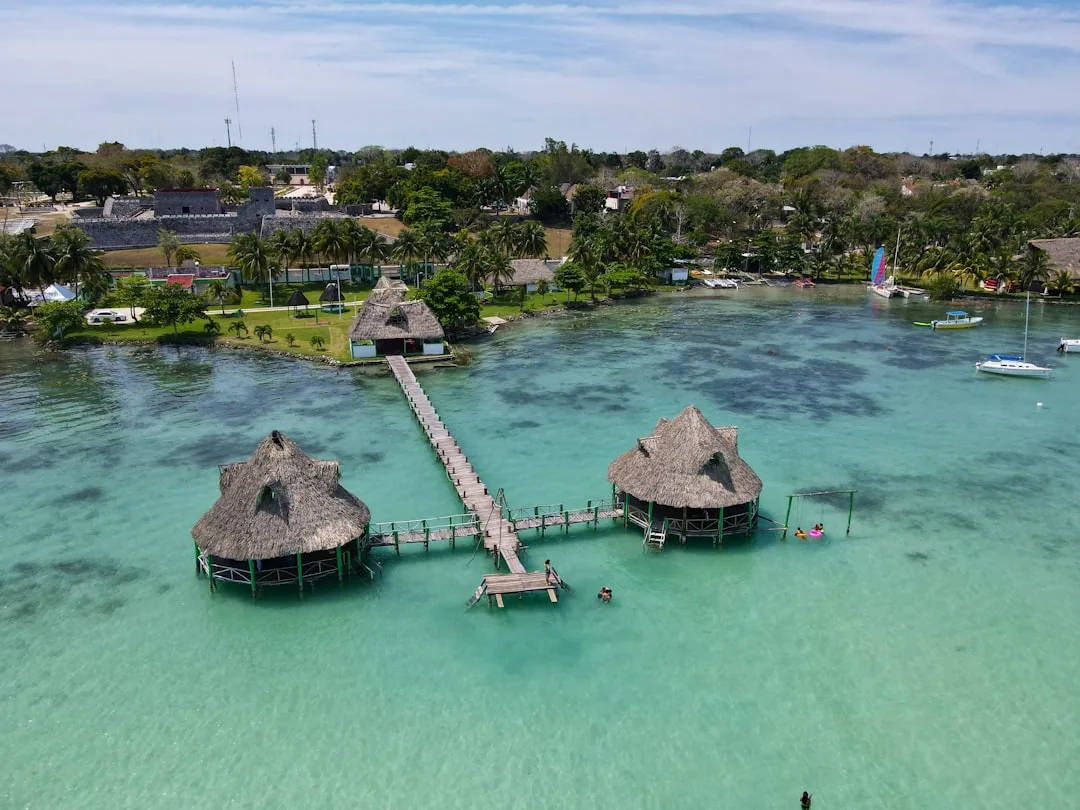
Bacalar is in the south of Quintana Roo, near the border with Belize, and works well as a base for those who want to explore this quieter stretch of the state. The town is on the route between the Mexican Caribbean coast and the Chetumal area, which is the nearest reference point. It also comes into the itinerary of those already traveling through Tulum, Playa del Carmen, and Cancún, because it lies on the same tourist axis, just farther south.
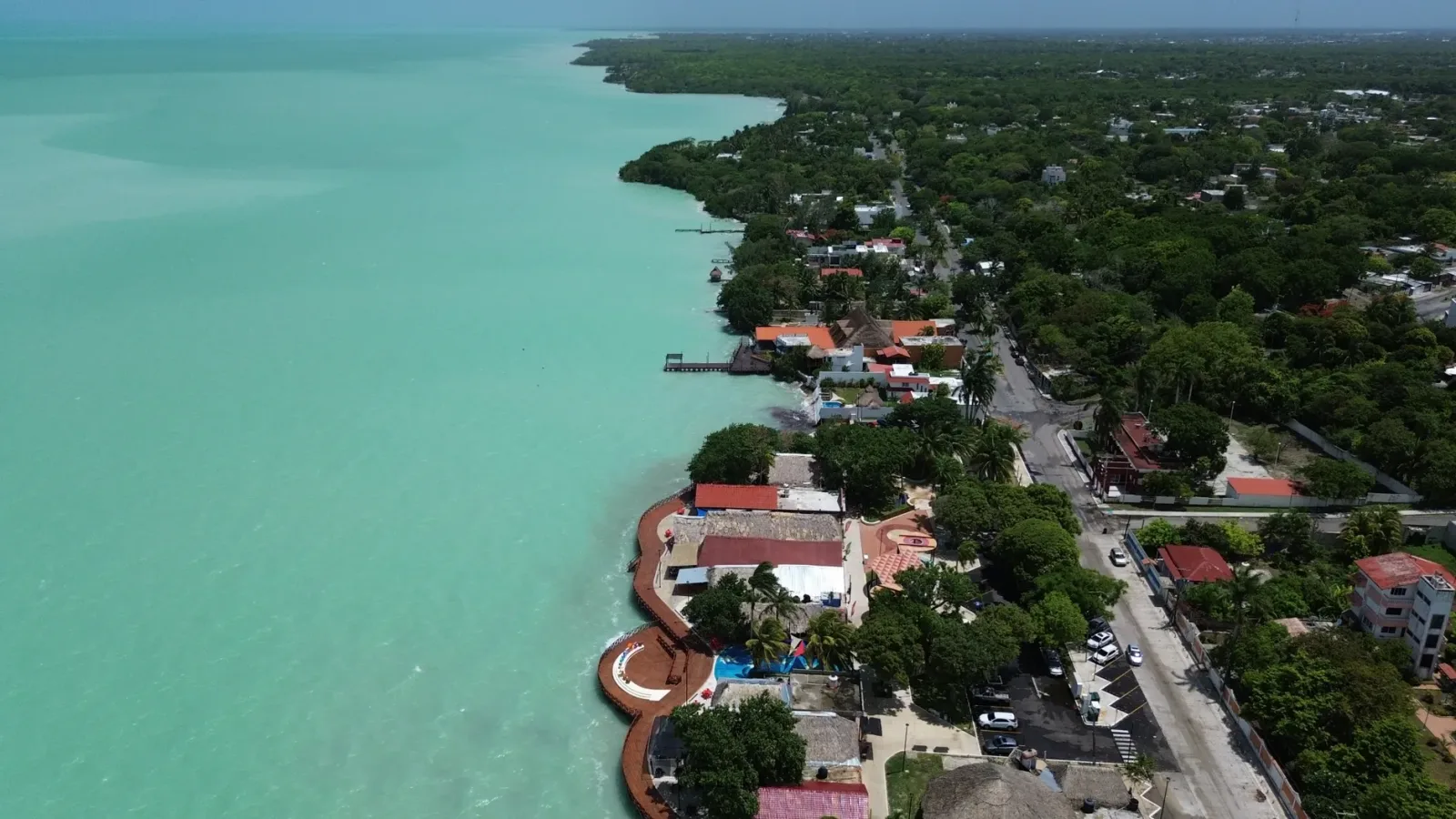
In practical terms, the distances help explain how it fits on the map: Bacalar is about 40 minutes from Chetumal, around 2h30 to 3h from Tulum, 3h to 3h30 from Playa del Carmen, and 4h30 from Cancún. This makes a difference when planning an itinerary, because Bacalar usually comes in as a stop along the way or as the main base for staying a few days, rather than as a day trip.
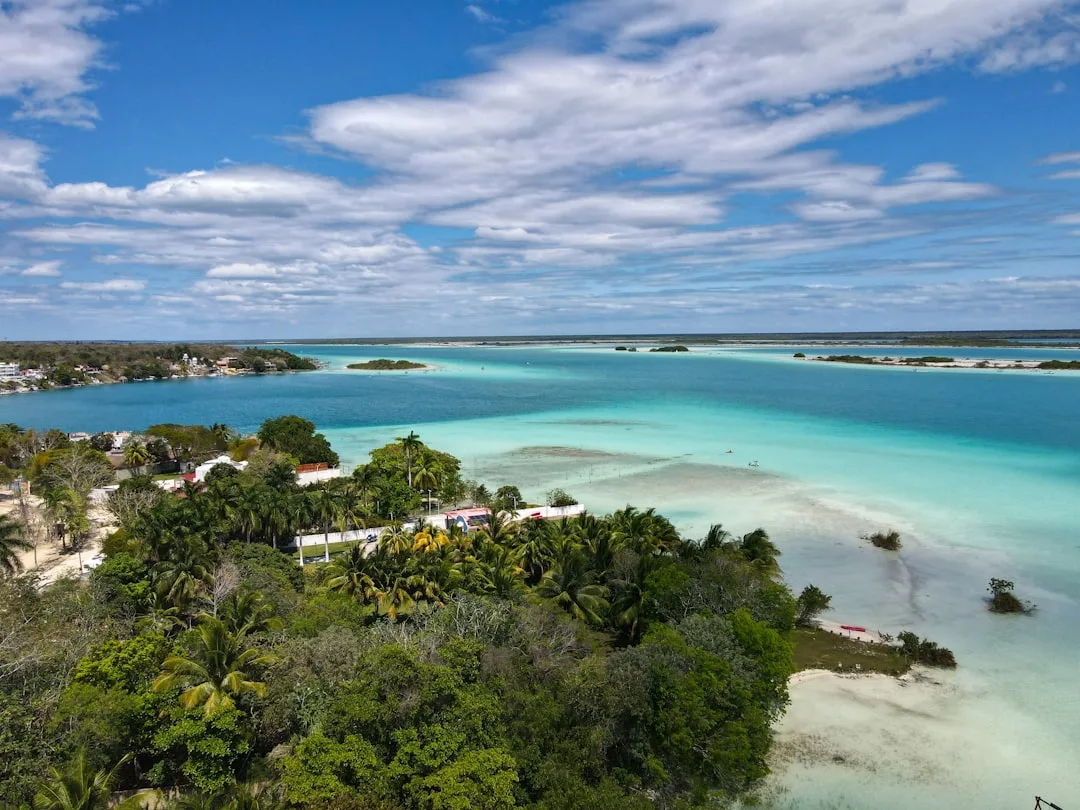
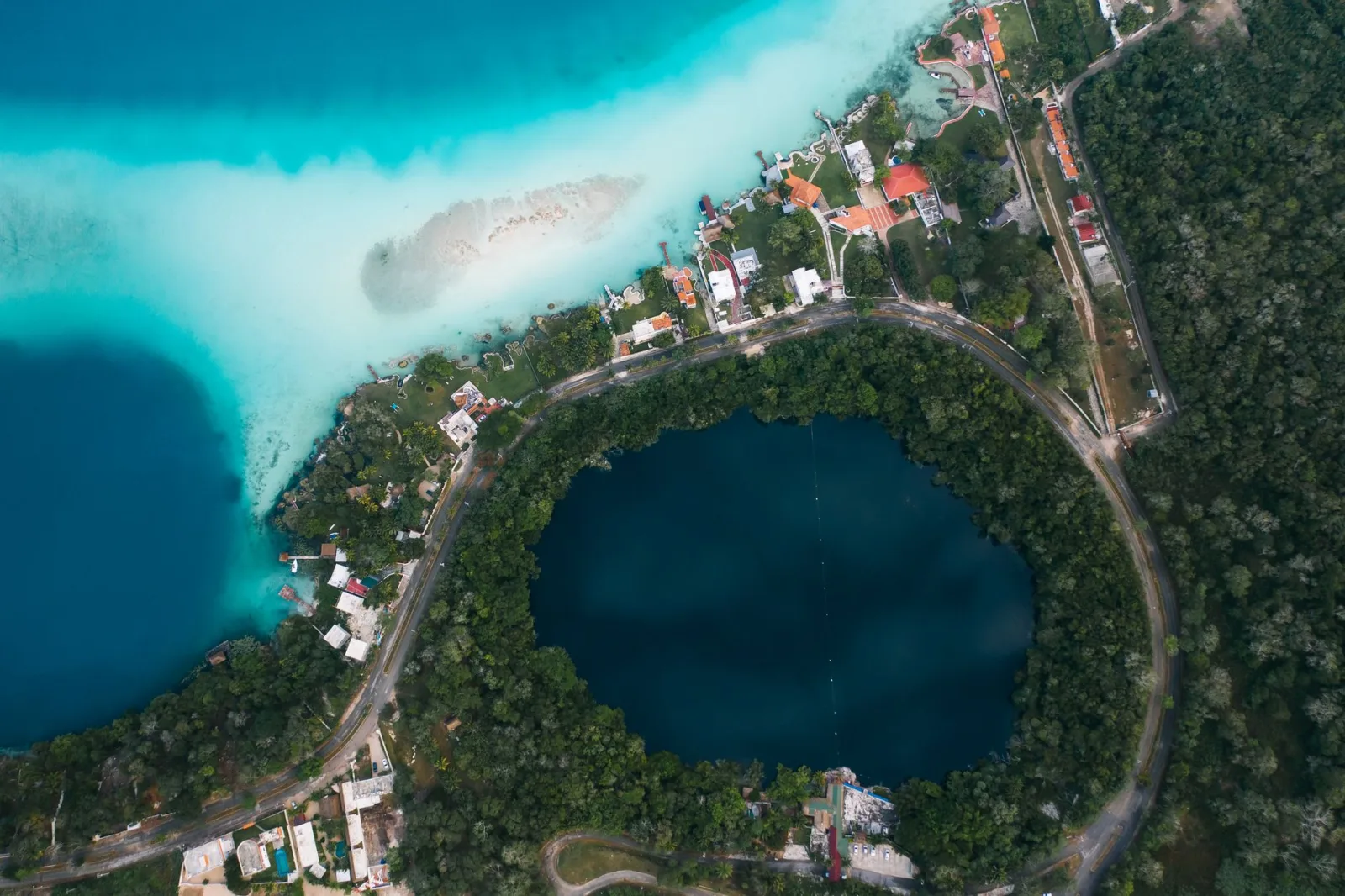
The destination also stands out for a simple geographic reason: it is not on the sea, but beside the lagoon. This places it outside the logic of the busier beaches in northern Quintana Roo and explains why many people add Bacalar after more crowded cities in the region. If the plan is to combine coast and inland areas, its position on the map helps a lot.
To decide whether it is worth including Bacalar, think less in terms of “going there for a day” and more in terms of “how it connects with the rest of southern Quintana Roo.” Chetumal is the nearest base; Tulum, Playa del Carmen, and Cancún come in as longer transit points, with journeys that require planning.
How to get to Bacalar by plane, bus, car, and transfer
Arriving via Chetumal is usually the most practical route. The airport is about 40 minutes from Bacalar and is usually the best choice for those who want to reduce travel time on the road. The limitation is obvious: there are fewer flights available than in Cancún, so the convenience depends on your route.
Cancún comes in as an alternative when you find more schedules or better fares. The trip to Bacalar takes about 4h30 by car, so the overland journey is long and requires planning. It works better for those who are already combining Bacalar with other stops in eastern Quintana Roo.
From Chetumal airport, there is a direct transfer to Bacalar, with a trip of about 40 minutes. For those who do not want to drive, it is the simplest way to leave the airport without hassle. It is worth confirming the service in advance, as availability and operations may change.
By bus, the most commonly used connection is with ADO, and tickets can also be purchased via Clickbus when the company website is unstable. From Tulum to Bacalar, the trip takes about 3 hours; from Playa del Carmen, between 3h and 3h30 by car and about 4 hours by bus; from Cancún, between 4h30 by car and 5h to 6h by bus. The bus is usually the most economical option, with comfortable vehicles, but travel time on the road is the main cost. By car, the road is smooth and offers more freedom to stop along the way, although the total cost ends up being higher because of the vehicle.
Editorial transparency: Some links on this page are affiliate links. We may earn a commission at no extra cost to you. This does not influence our recommendations.
When to go to Bacalar
The most stable period to visit Bacalar usually runs from December to April. During this window, the chances of rain decrease and the weather tends to favor more predictable days for enjoying the lagoon and outdoor activities. It is also the period when you avoid hurricane season, which runs from August to November.
If the goal is to reduce the chance of rain, it is worth paying closer attention to the months of June, September, and October, which concentrate the highest rainfall and are the least appealing for those looking for stable weather. May, July, and August can still work, but they already fall into a period when rain appears more easily and may interfere with part of your itinerary.
Bacalar does not usually suffer from sargassum, because the lagoon is not a beach, and this helps make the trip more predictable throughout the year. Even so, as with any tropical destination, it is ideal to check the forecast close to your travel date, especially if you plan to book water activities and want to choose the driest days of your stay.
For those seeking fewer surprises, December, January, February, March, and April are the safest months to choose.
Where to stay in Bacalar: downtown or the lagoon
Staying in downtown Bacalar works best for those who want to get around on foot most of the time. That’s where the restaurants, basic shops, and bus station are, so logistics are simpler if you plan to arrive, leave, and eat without relying so much on transportation. The trade-off is that this area is not the most convenient for swimming in the lagoon.
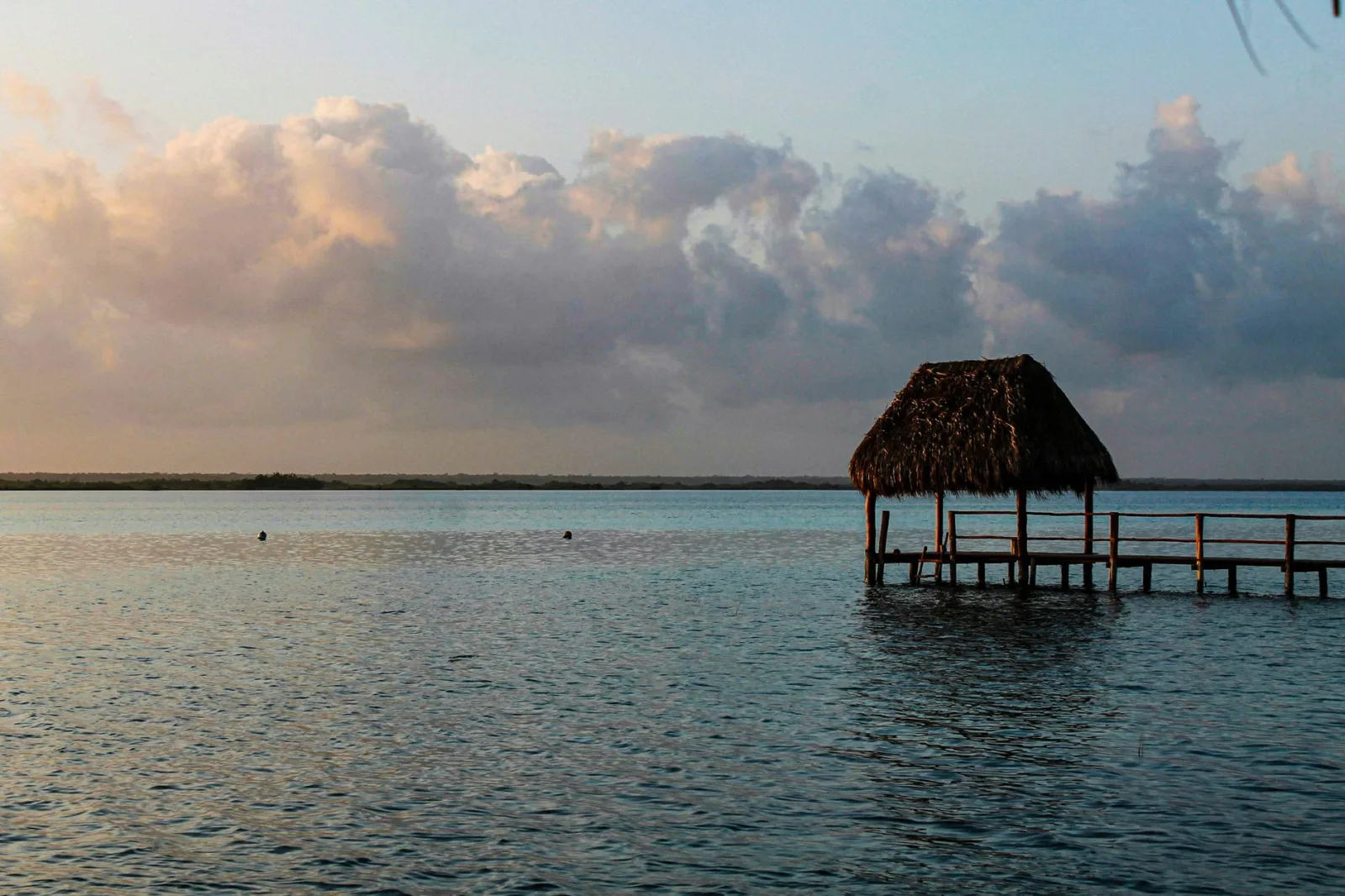
In the lagoon area, accommodation makes more sense for those who want to wake up near the water and reduce the back-and-forth to access points. This stretch tends to be more convenient for enjoying the best swimming spots, but you become more dependent on taxi, bicycle, or car to go downtown at night or take care of quick errands.
Among the options mentioned for downtown, there are Hotel Maria Maria, Xibalba in town, Hotel Circulo Bacalar and Hostel & Suítes Pata de Perro. On the lagoon shore, there are BOA BOA Bacalar, Hotel La Albarina, Khaban Bacalar Hotel Boutique and Hotel CasaBakal Bacalar. If priority is cost and urban convenience, downtown is usually the most straightforward choice; if priority is daily access to the water, the lagoon shore weighs more in the decision.
If you’re splitting your stay between rest and sightseeing, it’s worth looking at accommodation based on what it makes easier in everyday life, not just the photos. Downtown is better for those who want to handle everything with less travel. The lagoon is better for those who want to spend more time in the water and are okay with a less practical routine for meals and quick outings.
What to do during the day in Bacalar
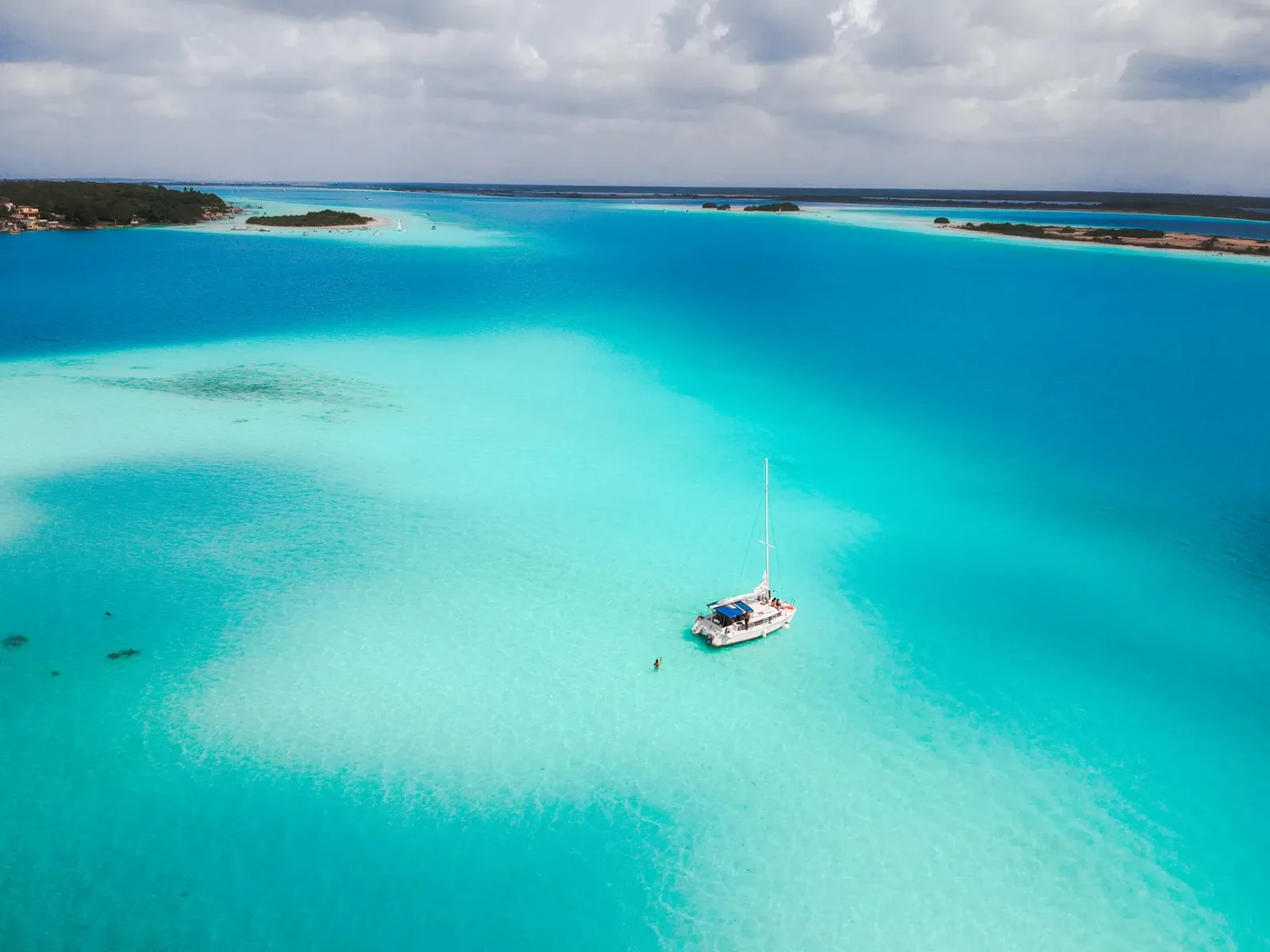
To see Bacalar during the day, a boat or sailboat ride on the lagoon is usually the first choice. The sailboat reduces the impact on the water compared with motorized boats and helps keep the ride quieter. The route usually passes through stretches such as the Pirates' Channel, shallow-water areas, and cenote spots; the experience changes depending on the type of boat and the operator, so it is worth comparing what each one includes before booking.
The lagoon also works well at beach clubs and bathing spots, which concentrate access to the water, shade, and, in some cases, food. Among the clubs mentioned, Cocalitos allows you to bring food and drinks to the shaded area or eat at the restaurant; admission is charged and use goes until 5 p.m. Access to the water requires going down a ladder and crossing a stretch where the water reaches chest level before getting to the shallow area. Bacalar Beach Club, on the other hand, operates with a minimum consumption and has a more polished setup, with lounge chairs, a freshwater pool, a bathroom, and ladder access to a deeper stretch of the lagoon. It opens from noon on, so it is not suitable for those who want to start early.
If the idea is to spend little, the public piers and bathing spots do the job well. There are free piers along Avenida Costeira and other budget-friendly access points, such as Balneario Municipal, Balneário Ejidal Mágico Bacalar, and Muelle Ecológico. They are good for a quick swim, observing the lagoon, and getting into the water without relying on a paid club, but they almost never offer comfortable facilities: in general, there are no bathrooms, food, or large areas to spend the day. Forte de San Felipe is worth a stop in the center, as are Cenote Negro, Sac-ha, the Rápidos de Bacalar, and the Xul-Ha area, which are better as short visits than as places for long hours of swimming. For those who want variety, there is also stand up paddle, the trip to Mahahual, and the excursion to Calakmul, which take the trip out of the lagoon routine for a few hours or for a whole day.
The lagoon calls for real care. Do not use sunscreen when entering the water and avoid touching the stromatolites, which are fragile and are found on the edges and in shallow stretches. If your focus is swimming, choose spots where access is simple and the water is calmer; if you are going by boat, confirm beforehand the type of boat and what is included, because that changes the experience a lot.
Where to enter Bacalar Lagoon without paying a lot
The cheapest accesses to the lagoon are at the public points and simple beach clubs in town. The muelles along Avenida Costeira are usually the easiest option for those who just want to get into the water, sit for a while, or observe the lagoon without spending much. They are small structures, generally without bathrooms, food, or real shade, so they work better for a short stop than for spending the whole day there.
Among the low-cost options, the Balneario Municipal and the Balneário Ejidal Mágico Bacalar are direct alternatives for swimming and relaxing. The Muelle Ecológico also appears as an economical access point, but operations may change, so it’s worth checking whether it is open before you go. At all these spots, the logic is similar: you pay little or nothing to get into the water, but don’t count on lagoon-club comfort.
The stretch closest to the center may be less interesting for swimming, because there is more boat traffic and the water does not always look as clear as in other parts of the lagoon. If you are looking for a simple access point, this helps adjust expectations: these spots are great for a quick dip, a photo, and a short time by the water’s edge, not for full infrastructure.
The most useful criterion is to choose based on what you need at that moment. If the idea is to save money and just see the lagoon up close, the public accesses do the job. If you want to spend hours in comfort, they won’t provide that.
Lagoon clubs in Bacalar: Cocalitos and Bacalar Beach Club
Cocalitos works best for those who want to spend a few hours with less formality. Admission is charged, and use of the space runs until 5 p.m. There, you can bring food and drinks to the shaded area or eat at the restaurant, which usually has more affordable prices than the more upscale lagoon clubs. Access to the water is by ladder; first there is a stretch where the water reaches your chest, then the shallow area. There are hammocks and swings, as well as shade under the trees and, if you order something at the restaurant, in another covered area.
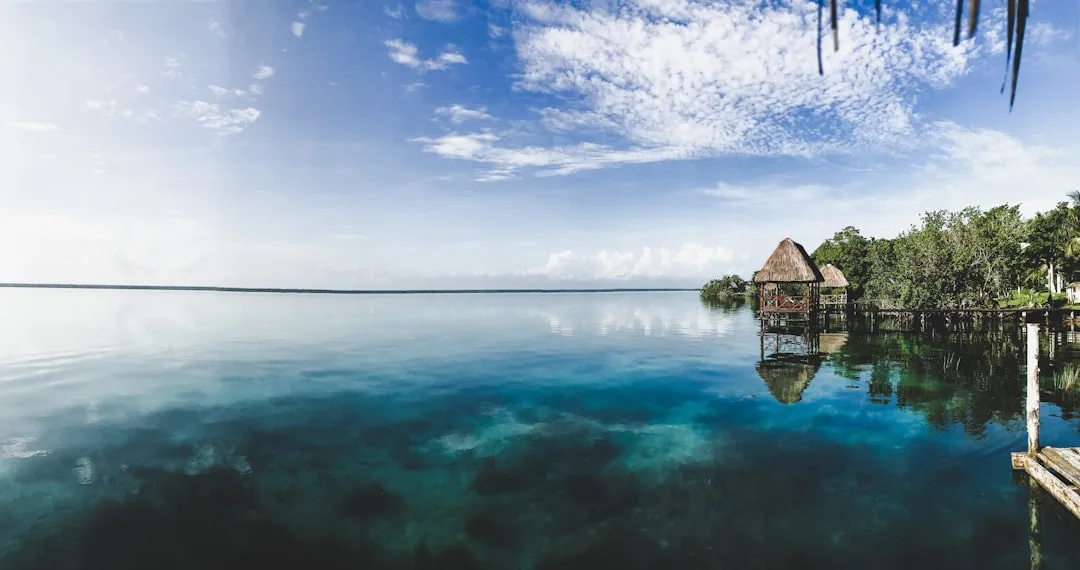
Bacalar Beach Club follows a different logic. It also charges indirect admission through a minimum consumption, which was 250 pesos per person in the last available reference. The space is more organized, with loungers, a bathroom, a freshwater infinity pool, and waiter service. Access to the lagoon is also by ladder, in a deep stretch, so it makes more sense for those who want to sit down, eat leisurely, and get into the water without expecting a simple beach club atmosphere. It opens at noon, which matters for those who like to arrive early and enjoy more hours of daylight.
Between the two, the practical difference lies less in the lagoon and more in the type of stay. Cocalitos is more flexible for bringing things and staying in an uncomplicated way. Bacalar Beach Club requires more spending, but offers more comfort and a more controlled atmosphere. If the idea is to stay for a short time and spend less, the first usually fits better. If you want to spend the day with structure and don’t mind the minimum consumption, the second works better.
Where to eat and what to do at night in downtown Bacalar
In downtown, nights in Bacalar are usually more about dinner and conversation than a long night out. The area has enough restaurants, shops, and activity for you to walk, eat well, and head back early. It’s not a party destination; the pace works better for those who want a calm evening after spending the day at the lagoon.
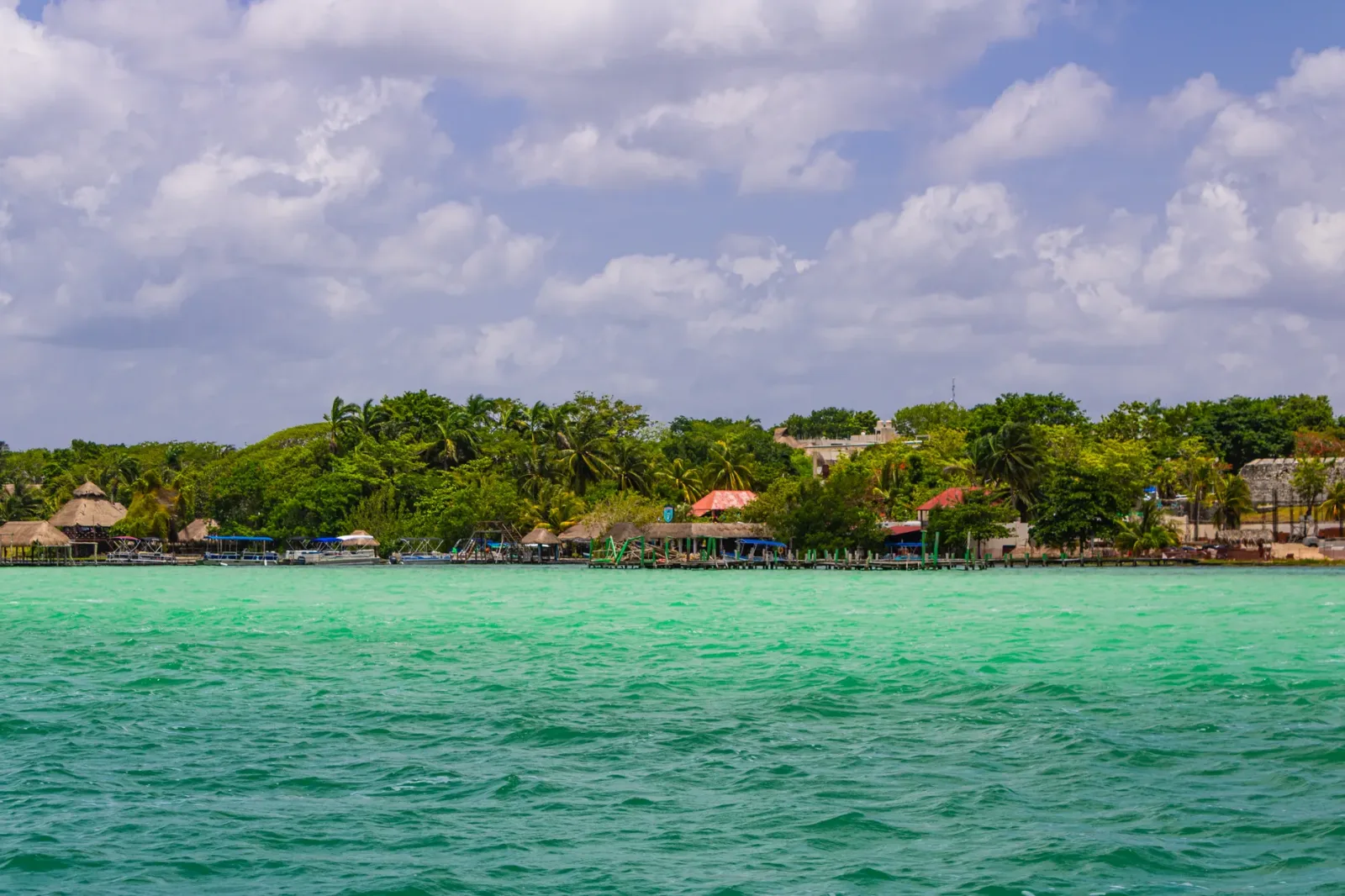
Among the places mentioned downtown, Hotel Maria Maria appears more as a lodging option, but it helps show the area’s character: downtown concentrates the city’s more practical side, with everything a step away. For dining, the logic is similar. You’ll find uncomplicated meals without needing to travel far, which matters quite a bit if the idea is to have dinner and keep the night going without logistics.
If a simple evening is your priority, downtown works better than the lakeshore. You leave the restaurant, walk along short streets, and find the basics functioning: local activity, a few places to eat, and shops still open at certain hours. What changes a lot from one place to another is the atmosphere, so it’s worth choosing based on the type of meal you want that night, not on the promise of a long outing.
For dinner, the most useful thing is to check what’s open and what the vibe is like at the time. In Bacalar, this changes more than you’d expect, especially outside the busiest periods. If you want to eat and head back without effort, downtown is the area to aim for.
How to get around Bacalar and how much time to set aside
Within Bacalar, most trips can be done on foot in the center, especially if you’re going to use restaurants, shops, and the city’s more urban area. For longer stretches or to get out of the central area, a taxi is usually the most practical option. If you’re staying farther away, mobility changes quite a bit, because the city does not have regular urban buses to rely on day to day.
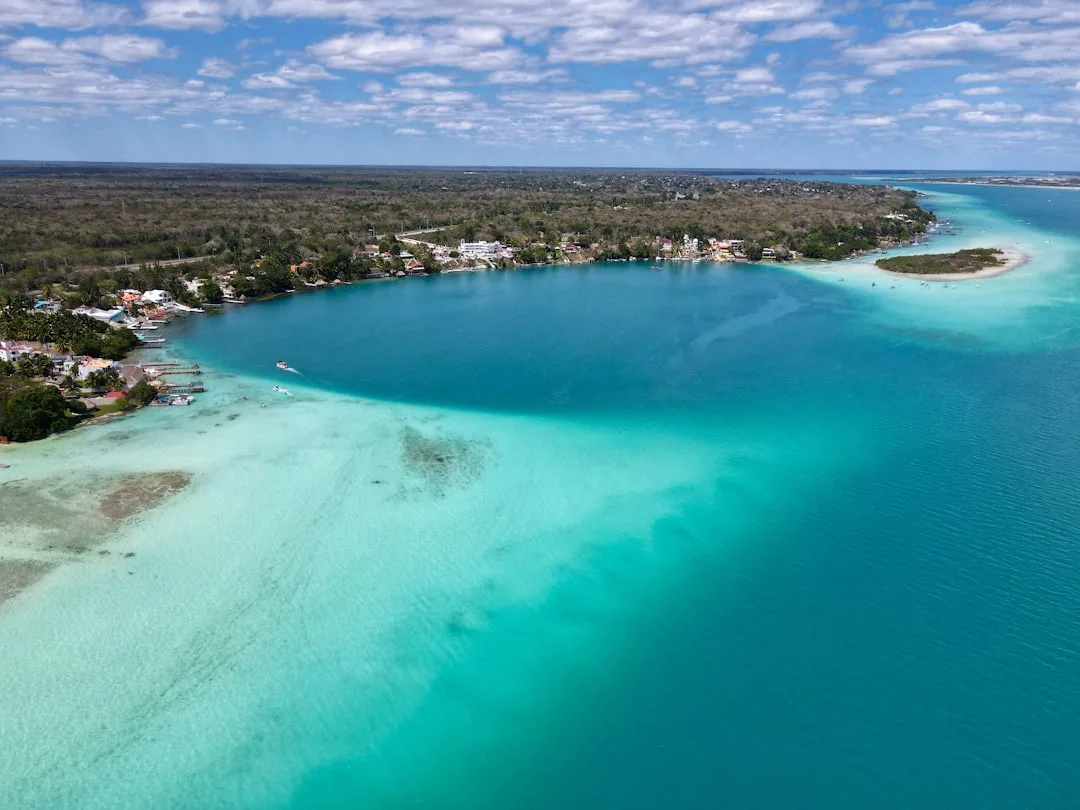
An electric bicycle is a good option for those who want to get around without depending on a car and without spending on a ride every time they go out. In Bacalar, it makes the most sense for short trips to spots near the lagoon and for returns at the end of the afternoon, when the heat feels stronger. If the idea is to visit more spread-out areas or do the route independently, a car or motorcycle offers more freedom, but they are more worthwhile for the flexibility than for the distance itself. On busy days, they also help avoid waiting for transportation.
To have a comfortable margin, reserve at least 2 nights. That gives you time to experience the city without rushing and fit in a less packed pace for the lagoon and the center. If you have 3 days, the most efficient split is usually: one day to arrive and settle in, one full day for the lagoon, and another to finish whatever is left at a relaxed pace, leaving departure for the last part. If the plan is shorter than that, the trip starts to lose Bacalar’s main advantage, which is precisely slowing down without needing to rush between places.
Frequently asked questions
What is the best time to visit Bacalar?
The most stable season usually runs from December to April, when there is less rain and the weather tends to be better for outdoor activities. If you want to reduce the risk of unexpected issues, these are the safest months.
Where is it better to stay in Bacalar: downtown or by the lagoon?
Downtown is better for those who want to do almost everything on foot and stay close to restaurants and the bus station. The lagoon area makes more sense for those who want to be closer to the water and are okay relying more on transportation.
What is the most practical way to get to Bacalar?
Getting there via Chetumal is usually the most practical route, because the airport is about 40 minutes from Bacalar. It is also possible to go by bus, car, or transfer from other points in southern Quintana Roo.
What is there to do in Bacalar during the day?
A boat or sailboat ride on the lagoon is one of the main activities. There are also lagoon clubs, public access points, the San Felipe Fort, Cenote Negro, Los Rápidos de Bacalar, and Xul-Ha.
How many days should you set aside for Bacalar?
The ideal is to book at least 2 nights. With 3 days, you can explore the lagoon, get around the town center, and leave room to do everything more calmly.