Aguas Calientes: what to do, how to get there, and how to plan your visit
Aguas Calientes: see how to get there, climb Machu Picchu, and organize your visit with tips on weather, transportation, and short tours.
Where is Aguas Calientes and why it is included in the Machu Picchu itinerary
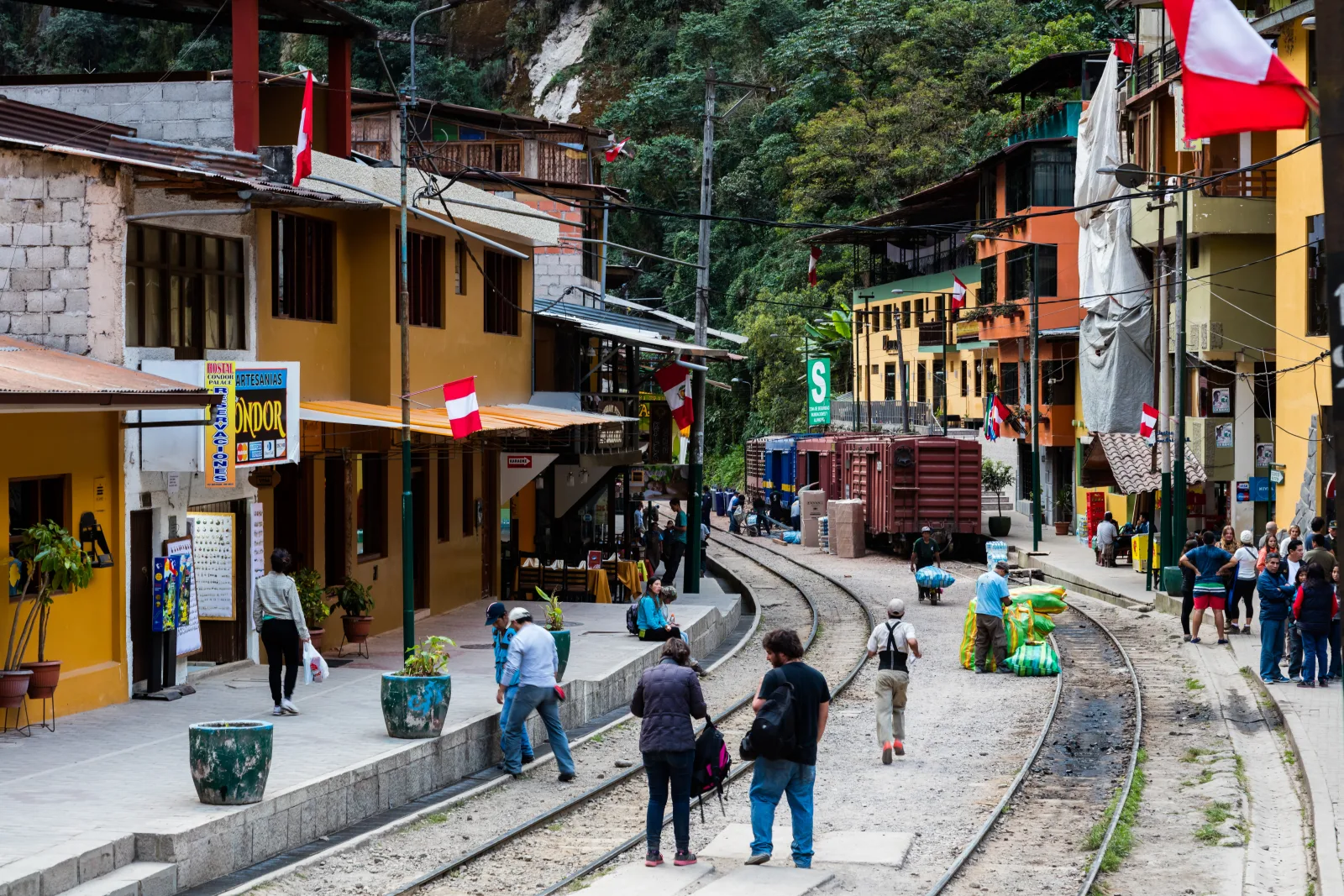
Aguas Calientes is located in the Cusco region, in the province of Urubamba, among mountains and on the banks of the Vilcanota River. The village is about 2,040 m above sea level and serves as the most immediate base for those heading to Machu Picchu.
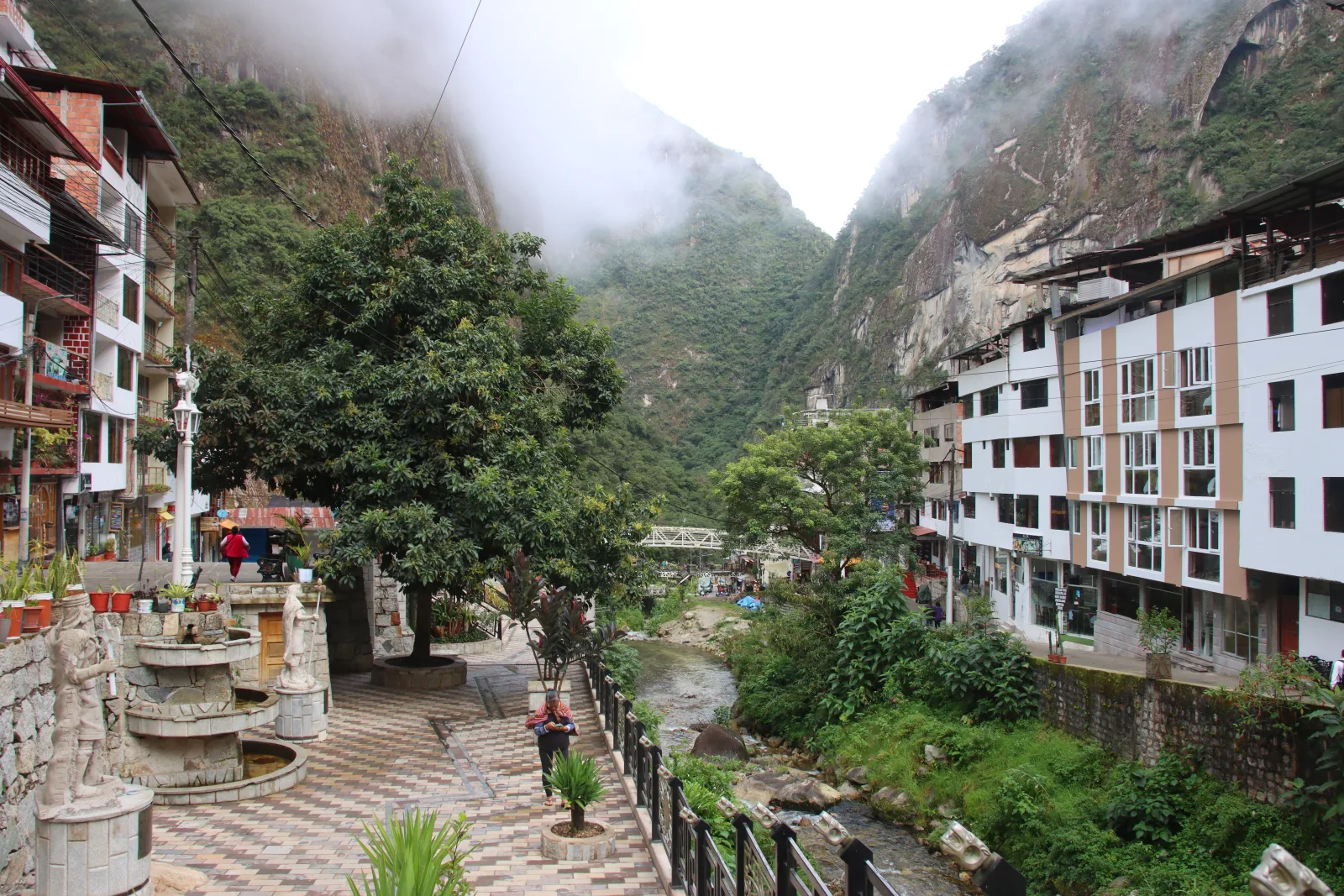
The name comes from the hot springs that gave the settlement its identity. Before establishing itself as a support point for visitors, the place already had a history linked to indigenous occupation and gained importance when the area began to serve as logistical and railway support for studies and access to the ruins.
Today, Aguas Calientes is the natural arrival point for those going to Machu Picchu. The relationship between the two places is direct: the village exists, largely, because of the citadel, and a visit to one almost always includes the other in the same itinerary.
How to get to Aguas Calientes
There are three main ways to get to Aguas Calientes from Cusco and the Sacred Valley. The most common combines a bus to Ollantaytambo and then a train from there to the village; this bus leg takes about 1h30 to 2h, and the train, about 2h. Another option is to take the direct train from San Pedro station in Cusco, but this service only runs during the high season.
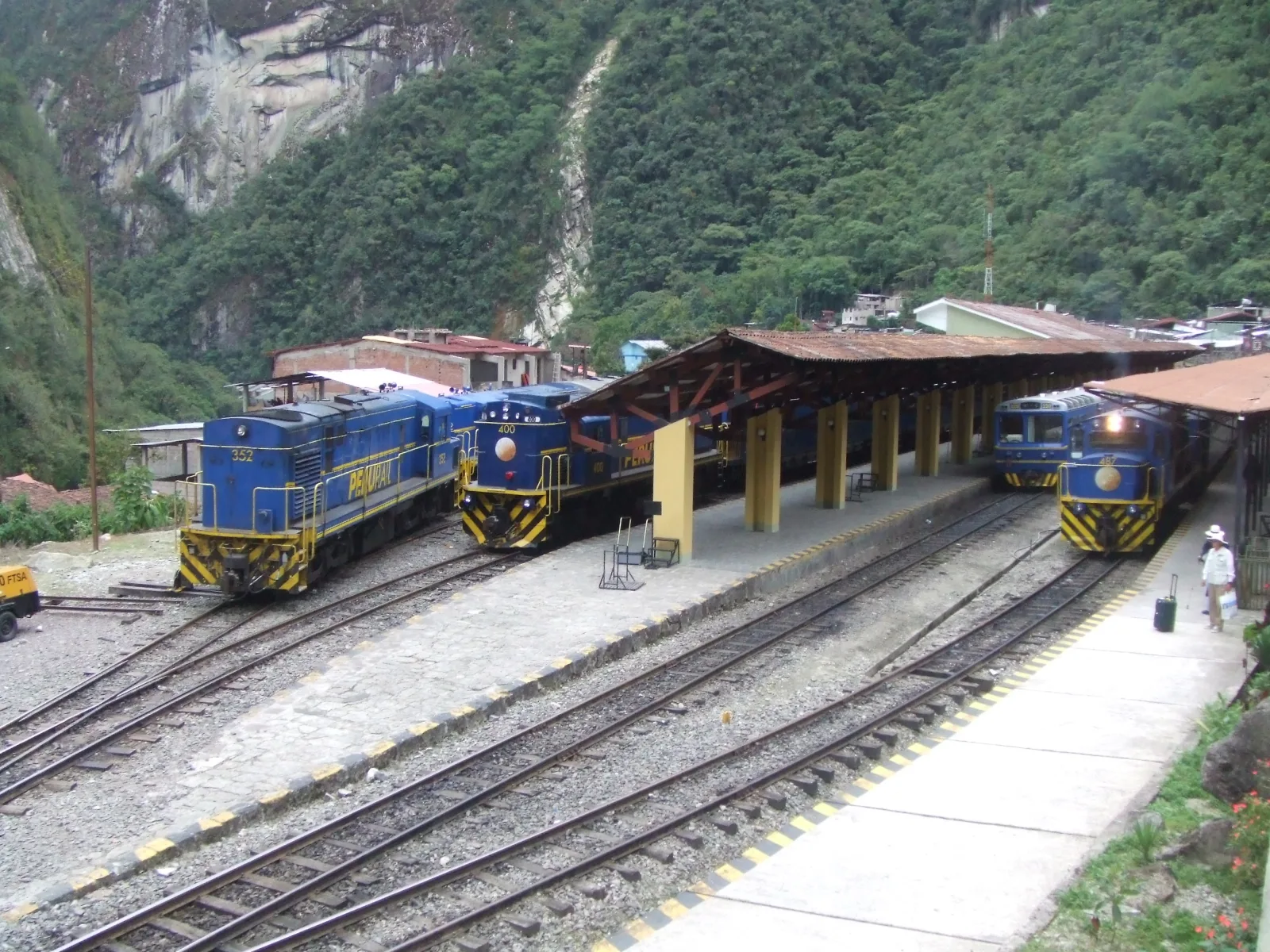
Those looking for a more economical alternative usually take a shared taxi to Hidroeléctrica. The journey from Cusco takes approximately 7h and was cited as costing around 70 soles. From there, there are two options: walk along a route parallel to the railway for 2h30 to 3h, or take the train to Aguas Calientes, on a trip of about 30 minutes.
On the rail side, the companies most present on this route are PeruRail and Inca Rail. It is worth booking in advance, especially if the trip is tied to a specific entry time to Machu Picchu or during periods of higher demand.
Editorial transparency: Some links on this page are affiliate links. We may earn a commission at no extra cost to you. This does not influence our recommendations.
How to get from Aguas Calientes to Machu Picchu
There are two ways to go up from Aguas Calientes to the entrance of Machu Picchu: tourist bus or walking. The bus leaves the village and makes the uphill stretch to the access point to the archaeological site; the trip takes about 30 minutes. It is the simplest option for those who want to save energy before the visit. Tickets should be purchased in advance, because demand is usually high at entry times.
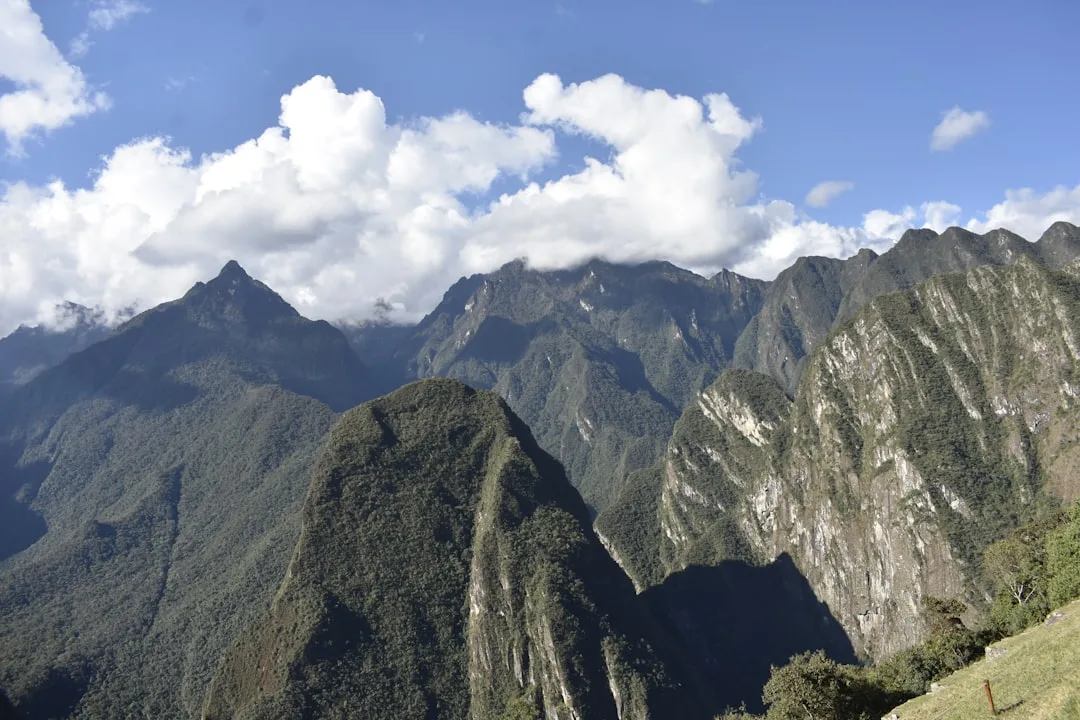
The walk starts in the village itself and follows a zigzag trail to the gate. The route usually takes 1h30 to 2h, with a continuous climb and steps along the way. It requires good stamina and legs used to exertion, especially if you plan to arrive without rushing and without getting worn out before entering Machu Picchu.
The bus is the only authorized transportation for motorized access. If you do not want to deal with the strain of the climb, it gets you there predictably. If you prefer to save money and do not mind physical effort, the walk works well, as long as you leave with plenty of time.
Those who choose the bus should buy the ticket in advance and check current operations at the time of the visit. Those who choose to go on foot need to factor the climb into the day, without counting on the route as a light stroll.
Best time to go and what to expect from the weather
Aguas Calientes has a warm, humid temperate climate year-round. Temperatures generally tend to range between 12 °C and 24 °C, with variation depending on rainfall and the time of day. Even without extreme cold, the feel changes quite a bit when humidity rises or when the sun appears between clouds.
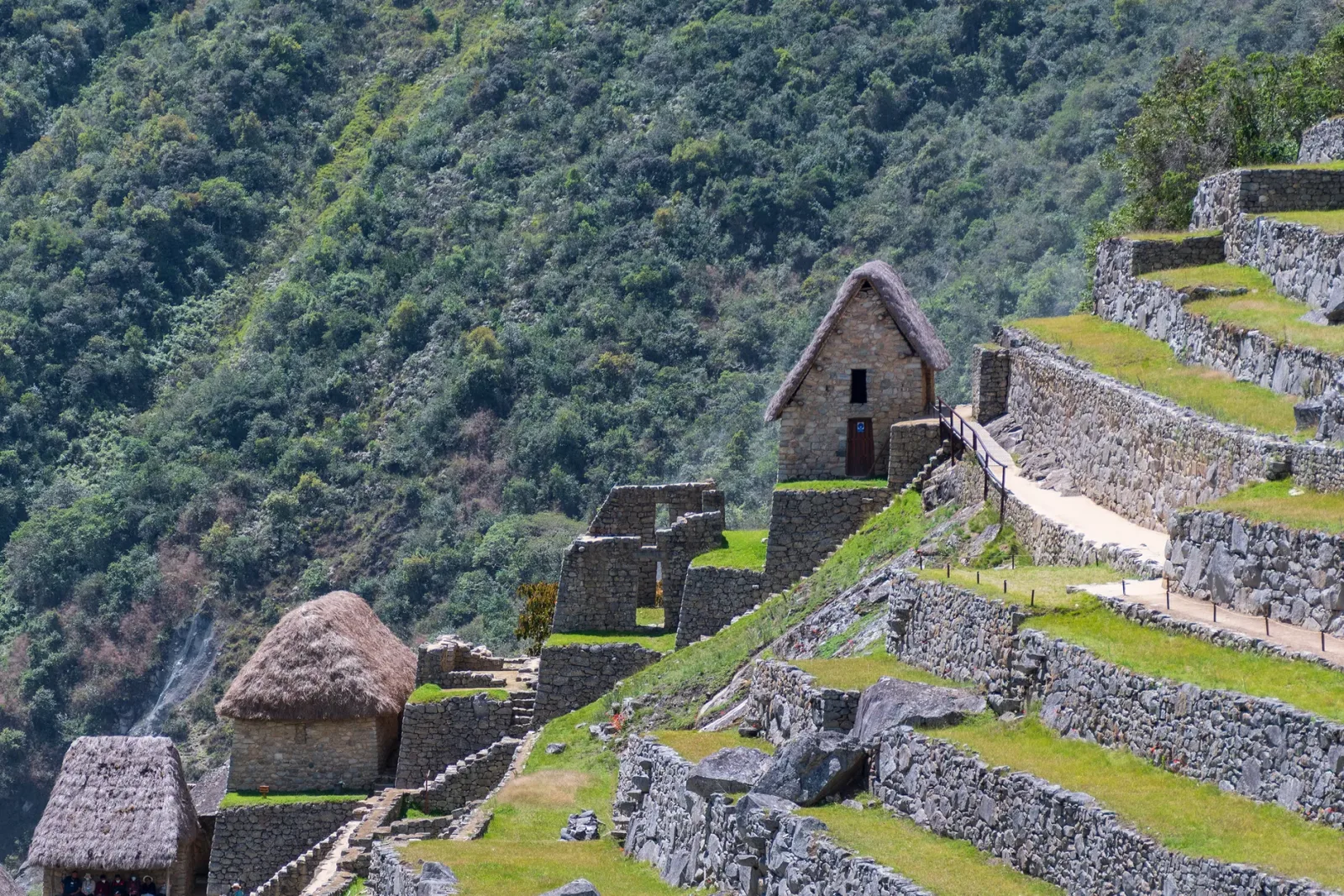
The dry season is usually the most comfortable window for walking around and getting around with a lower chance of heavy rain. The rainy season, on the other hand, calls for more attention: the weather can change quickly, the ground gets slippery, and being outdoors tends to require more flexibility. For those who want to reduce the risk of catching rain in the middle of the day, it is worth aiming for the drier months; for those traveling during the wet season, reading the weather on the day itself matters more than a distant forecast.
Between June and September, orchids enter their flowering phase in part of the region, a detail that matters for those who enjoy observing plants at their best. Even outside this window, the humid climate keeps the vegetation active, but the experience changes a lot depending on the rain. Bringing lightweight layers, a raincoat, and something to protect yourself from the humidity helps more than relying on just one type of clothing.
What to do in Aguas Calientes besides Machu Picchu
The hot springs are usually the first stop for those looking for a short break in Aguas Calientes. The complex is open from 5 a.m. to 8 p.m., and stays are limited to two hours. The stated admission for this use is 10 soles for nationals and 20 soles for foreigners, but this type of rate may change; it is worth confirming before going. Those who enter will find hot pools amid the mountains, with the water as the focus of the experience.
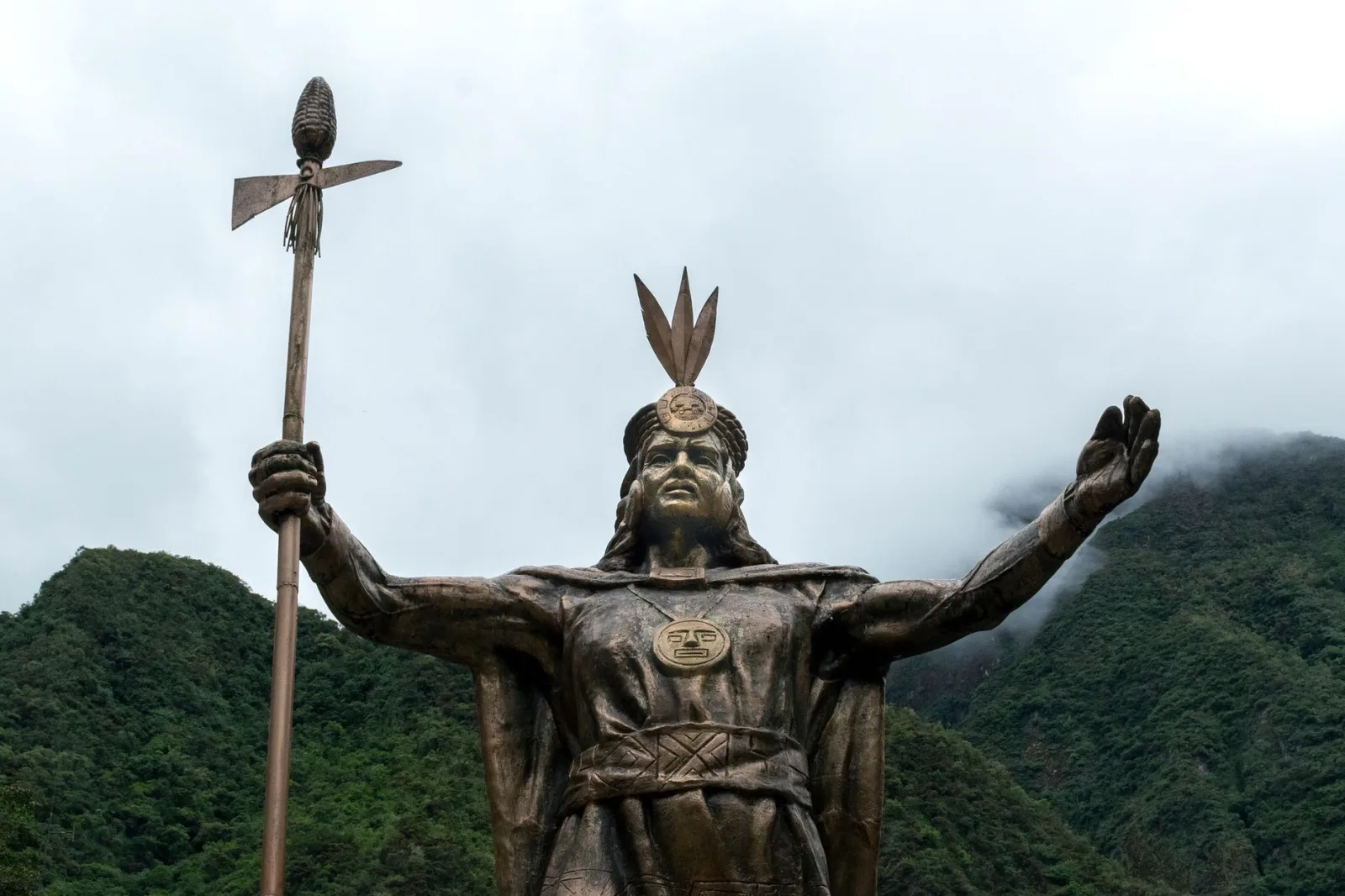
In Manco Capac Square, the town takes on a different rhythm. That is where the fountain with the statue of Manco Capac is located, and one side of the square leads to Iglesia Virgen del Carmen, with simple architecture and a modest interior. The Artisan Market is next to the square and brings together textiles, jewelry, souvenirs, and everyday items, with the typical colorfulness of Andean markets. In general, this is the most straightforward stretch for understanding the village’s daily life without leaving the center.
For those wanting something more history-oriented, the Manuel Chávez Ballón Museum presents the formation of the Inca universe and research at Machu Picchu with maps, videos, and excavation pieces. Admission was reported as free for those who already have a Machu Picchu ticket, with a charge of 22 soles for those without that ticket; the museum usually opens from 9 a.m. to 4 p.m., every day, but it is wise to check current operations. Along the same lines of a short outing, the Mandor Botanical Garden brings together cataloged species and leads to the Mandor waterfall, about 30 meters high.
If the idea is to go beyond the most obvious visit, there is also the butterfly house, Alcamayo waterfall, and the trail to Phutuq K’usi Mountain. The butterfly house shows the life cycle of butterflies and was cited with free admission after 12 p.m. for those presenting the Machu Picchu ticket, or 20 soles for foreigners without that ticket. Alcamayo requires a short walk, but with stairs and attention to the terrain; Phutuq K’usi already falls into the realm of adventure, with a high physical demand and more suitable use in the dry season.
Where to eat and what to try in Aguas Calientes
The gastronomic scene in Aguas Calientes revolves around restaurants, cafés, bars, and small shops scattered throughout the village. There are simple options and more elaborate ones, so the most useful criterion is to look at the menu before sitting down, rather than choosing based only on the appearance of the place.
Anyone wanting to try Peruvian food will find classic dishes such as lomo saltado, which appears frequently on the city’s tables. It is also worth looking for dishes from more than one region of Peru, because many menus mix local recipes with international options to cater to the constant flow of travelers.
If the idea is to eat without complications, the small shops and cafés handle light meals, snacks, and quick stops. For those who prefer to linger a while, the bars and restaurants in the center usually work well at the end of the day, when the village’s pace changes.
The most useful thing here is to adjust your choice to what you want to eat, not to the name of the place. In Aguas Calientes, the range goes from budget-friendly meals to tables with more attentive service, and that helps fit the stop into your budget without giving up the chance to try something Peruvian.
Where to buy souvenirs and handmade products
The Mercado Artesanal and the Centro Artesanal are next to the train station, which makes it easy to fit souvenir shopping into your plans without straying too far from the itinerary. This is where you’ll find the most common local handicrafts: textiles, jewelry, travel souvenirs, clothing, hammocks, and colorful decorations. If you want to take home something small and easy to carry, this is the most straightforward place to look.
The opening hours listed for the Mercado Artesanal vary depending on the point of sale, so it’s worth confirming on the spot. The Centro Artesanal usually operates from 9 a.m. to 7 p.m. Since the selection is concentrated in this area, the choice is usually more practical than strategic: just compare finish, material, and price among the stalls before making your purchase.
Payment can vary depending on the shop. In places like this, some vendors accept cards and others prefer cash, so it’s best not to assume that every stall processes the same payment methods. If the goal is to shop with less friction, bring some soles in reserve and check at the counter which methods each place accepts.
Practical tips for planning the visit without surprises
The thermal baths operate from 5 a.m. to 8 p.m., with a maximum stay of two hours. The admission cited is 10 soles for nationals and 20 soles for foreigners, but this type of fee changes frequently, so it is worth confirming before the visit. There is also a restriction for anyone entering under the influence of alcohol, and this is taken seriously.
For the Manuel Chávez Ballón Museum, the reported operating hours are from 9 a.m. to 4 p.m., every day. Admission is free for those who already have a Machu Picchu ticket; without that ticket, the reported fee is 22 soles. The Mandor Botanical Garden opens from 6:30 a.m. to 4:30 p.m. and charges 10 soles for foreigners who do not present the Machu Picchu entry ticket. At the butterfly house, admission is free after 12 p.m. for those who show the Machu Picchu ticket; without it, the reported fee is 20 soles for foreigners.
Bring insect repellent, because the humidity favors mosquitoes in vegetated areas and on trails. A jacket helps during cooler stops and at the end of the day, and water makes a difference on any short walk, especially at altitude. On trails such as Alcamayo and Phutuq K’usi, an offline map and, in the second case, a local guide make navigation safer; on Phutuq K’usi, the physical demand is high and the trail itself only makes sense for those who already have trekking experience.
Frequently asked questions
How do you get to Aguas Calientes?
The most commonly used routes depart from Cusco or the Sacred Valley, usually by bus to Ollantaytambo and then by train to Aguas Calientes. There is also the option of going via Hidroeléctrica, with a hike or train for the final stretch.
How do you get up from Aguas Calientes to Machu Picchu?
You can go up by tourist bus, in about 30 minutes, or hike, which takes 1h30 to 2h. The bus is the most practical option; the hike requires more physical effort.
What is there to do in Aguas Calientes besides Machu Picchu?
Among the main options are the thermal baths, Manco Capac Square, the Artisan Market, the Manuel Chávez Ballón Museum, and the Mandor Botanical Garden. There are also trails and attractions such as the butterfly sanctuary and the Alcamayo waterfall.
What is the best time to visit Aguas Calientes?
The dry season is usually more comfortable for getting around and sightseeing. In the rainy season, the weather changes quickly and the ground can become slippery.
Where can you buy souvenirs in Aguas Calientes?
The Artisan Market and the Craft Center, near the train station, offer textiles, jewelry, clothing, and souvenirs. It is a convenient place to shop without straying too far from your itinerary.