1- or 2-day itinerary in Cologne (Köln): what to do, where to eat, and how to plan your visit
Itinerary in Cologne for 1 or 2 days with the Cathedral, museums, historic center, and the banks of the Rhine, to make planning your visit easier.
How to get to the historic center from Köln HBF station
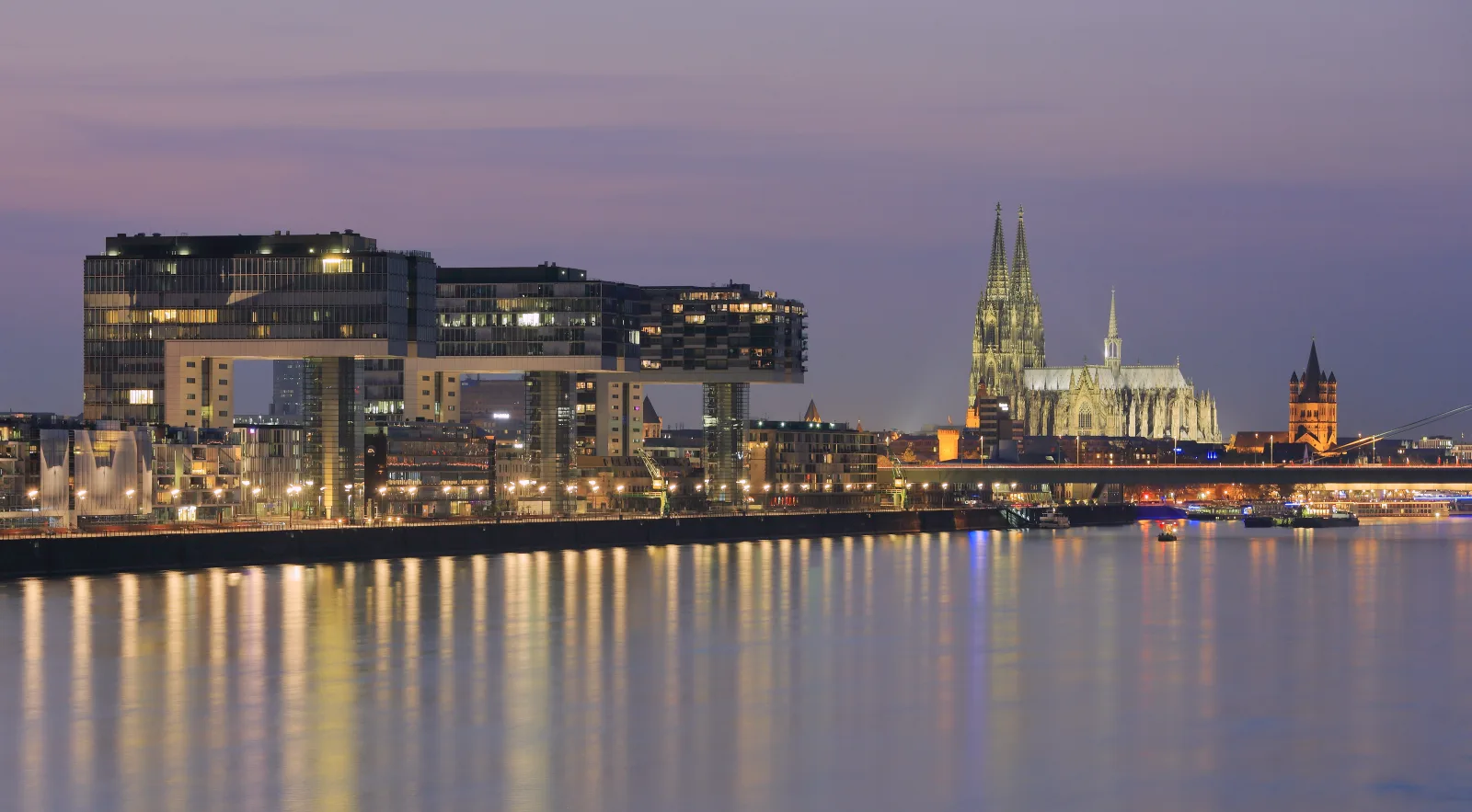
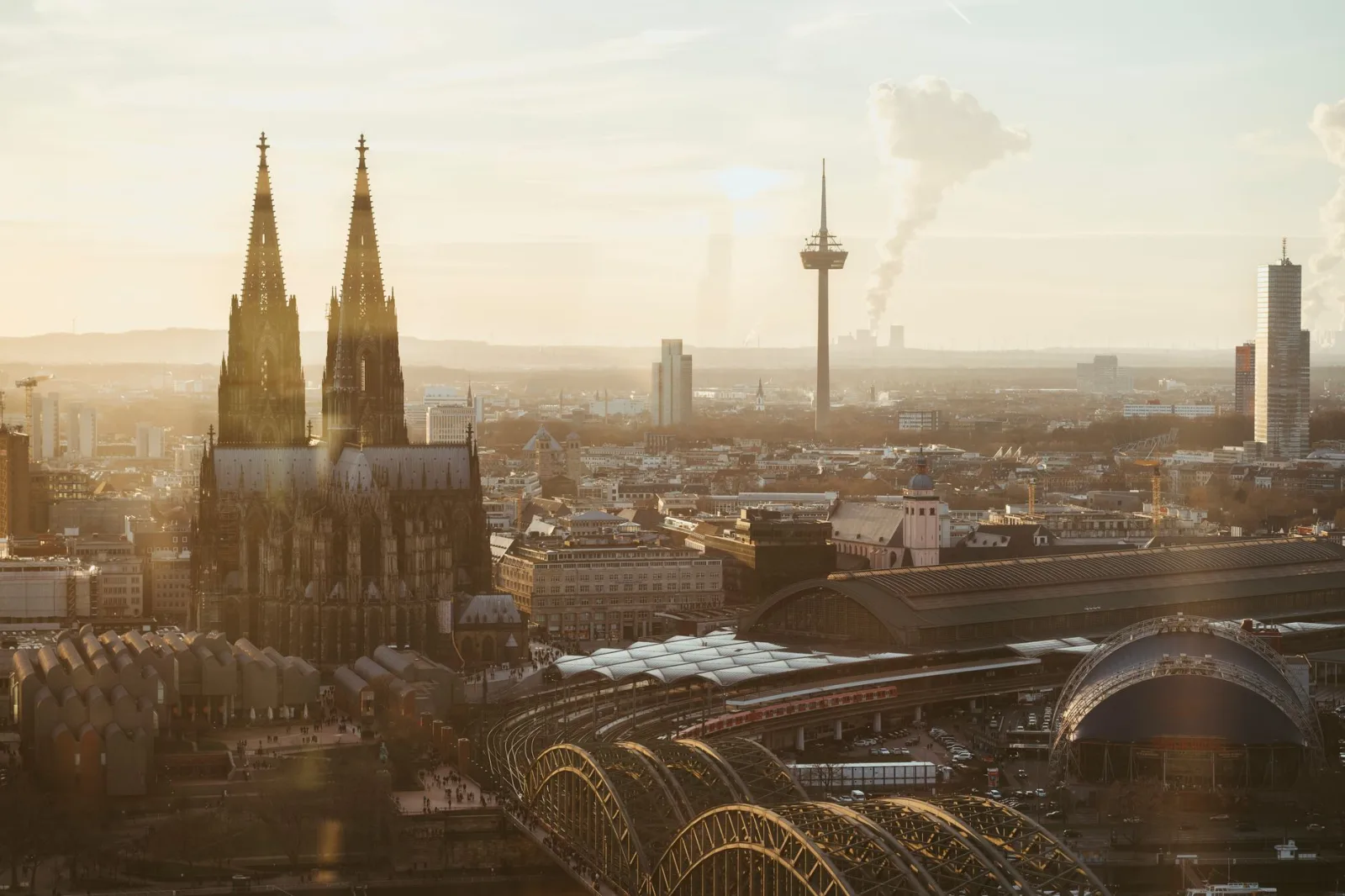
Köln Hauptbahnhof is located in the most convenient possible spot to start the itinerary: you leave the station and you are already in front of Cologne Cathedral. For those arriving by train, this saves time and avoids unnecessary transfers right at the start of the day, especially on a short visit.
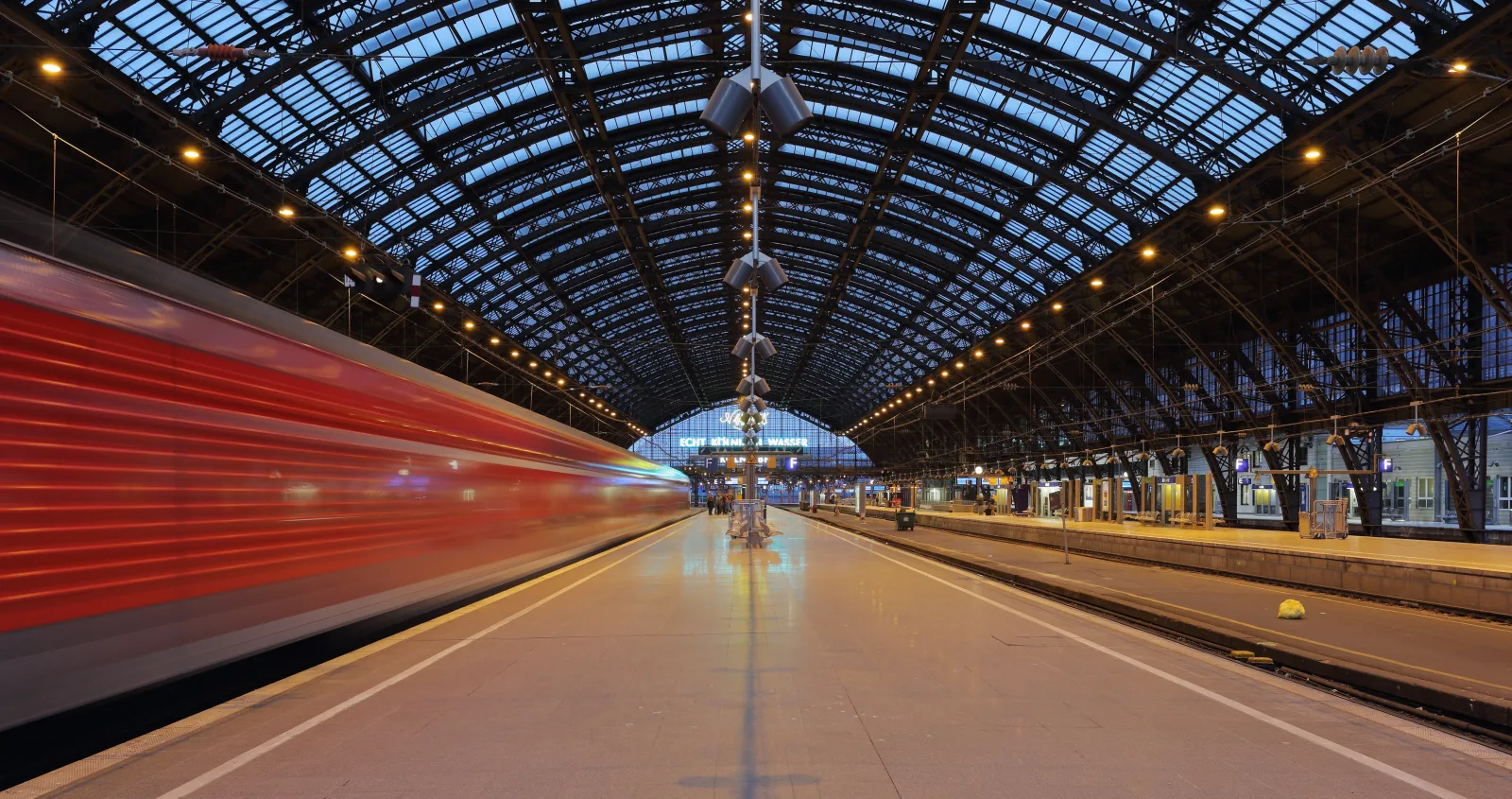
The location itself solves most of the logistics of the historic center. The station is right next to the city’s most visited area, so you can head on foot to the first attractions without relying on public transportation. If the goal is to move quickly, this is also a good place to get last-minute directions and pick up useful materials before setting off on foot.
Very close to the exit, on Kardinal-Höffner-Platz, is the Tourist Information Center. There you can get maps, brochures, and up-to-date information about the city. Those who bought the KölnCard also collect the physical version at this location. The card is available in 24-hour and 48-hour versions, and opening hours, as well as the current price, should be confirmed before the visit.
What to prioritize on the first day in Cologne
After starting with the Cathedral, the best sequence for the first day is to decide early between the two museums next door. The Museum Ludwig makes more sense if you want modern art and photography; the Römisch-Germanisches-Museum, if you prefer archaeology and the city’s Roman history. Both are a short walk from the station area, so the choice here is about time and interest, not logistics.
If the priority is to see only the essentials, fit in one museum and head to the squares of the old center still in the morning. The Museum Ludwig usually takes between 45 minutes and 1 hour for a quick visit and is open Tuesday to Sunday, from 10:00 to 18:00; admission is €11, with 20% off for KölnCard holders. The Römisch-Germanisches-Museum makes more sense for those who want to delve into Cologne’s ancient past, but it is also worth checking the current opening hours and ticket price before deciding on the spot.
From there, walk to Alter Markt and then to Heumarkt. It is the easiest stretch to do without a map, because the two squares are very close together and concentrate the city’s most lived-in historic center, with the old town hall in Alter Markt, the Jan von Werth fountain, and the equestrian statue of Friedrich Wilhelm III in Heumarkt. Between one square and the other, the best thing is to wander into the narrow streets and choose where to stop for something to eat or drink, without tying the itinerary to a specific table.
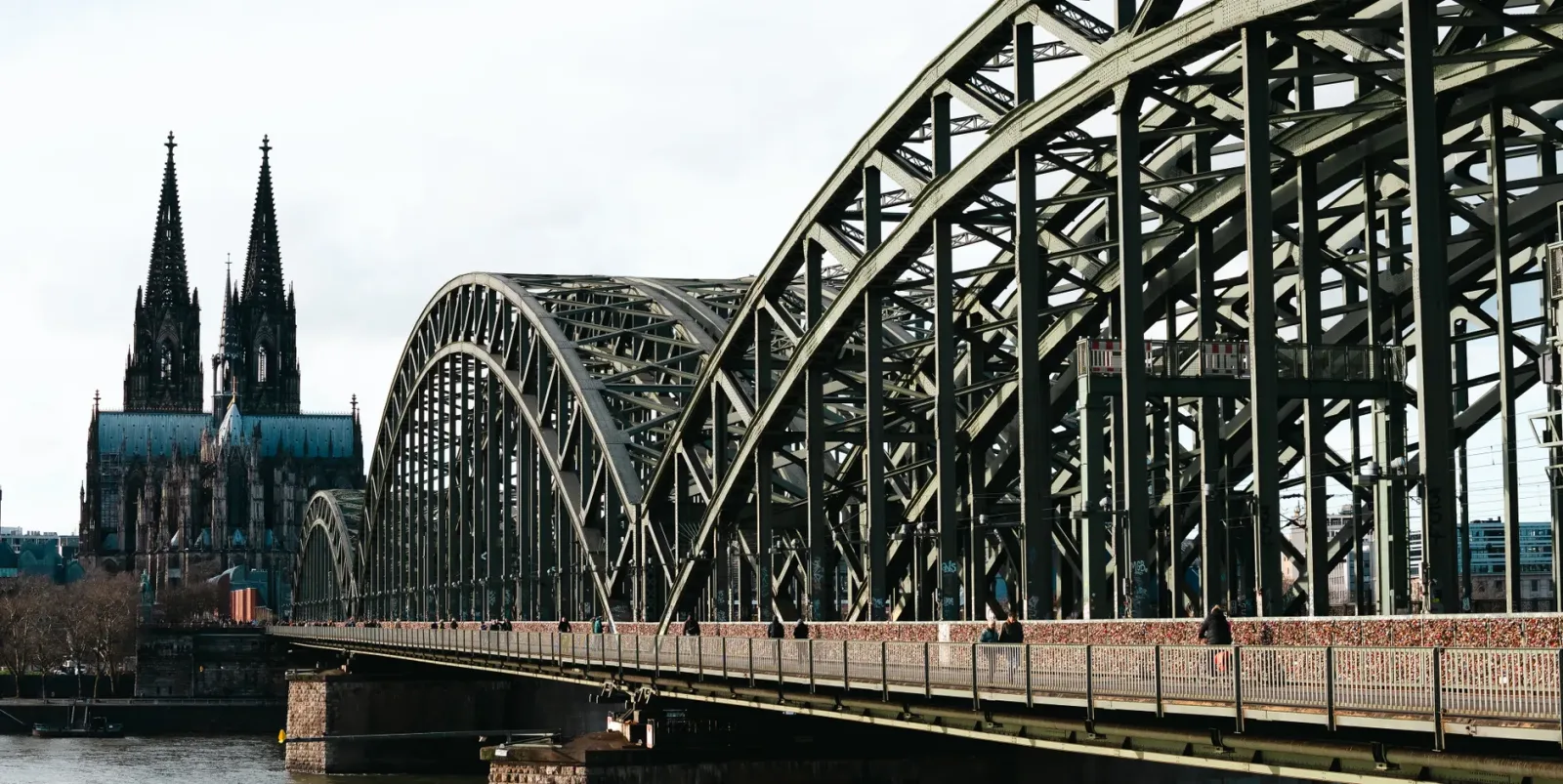
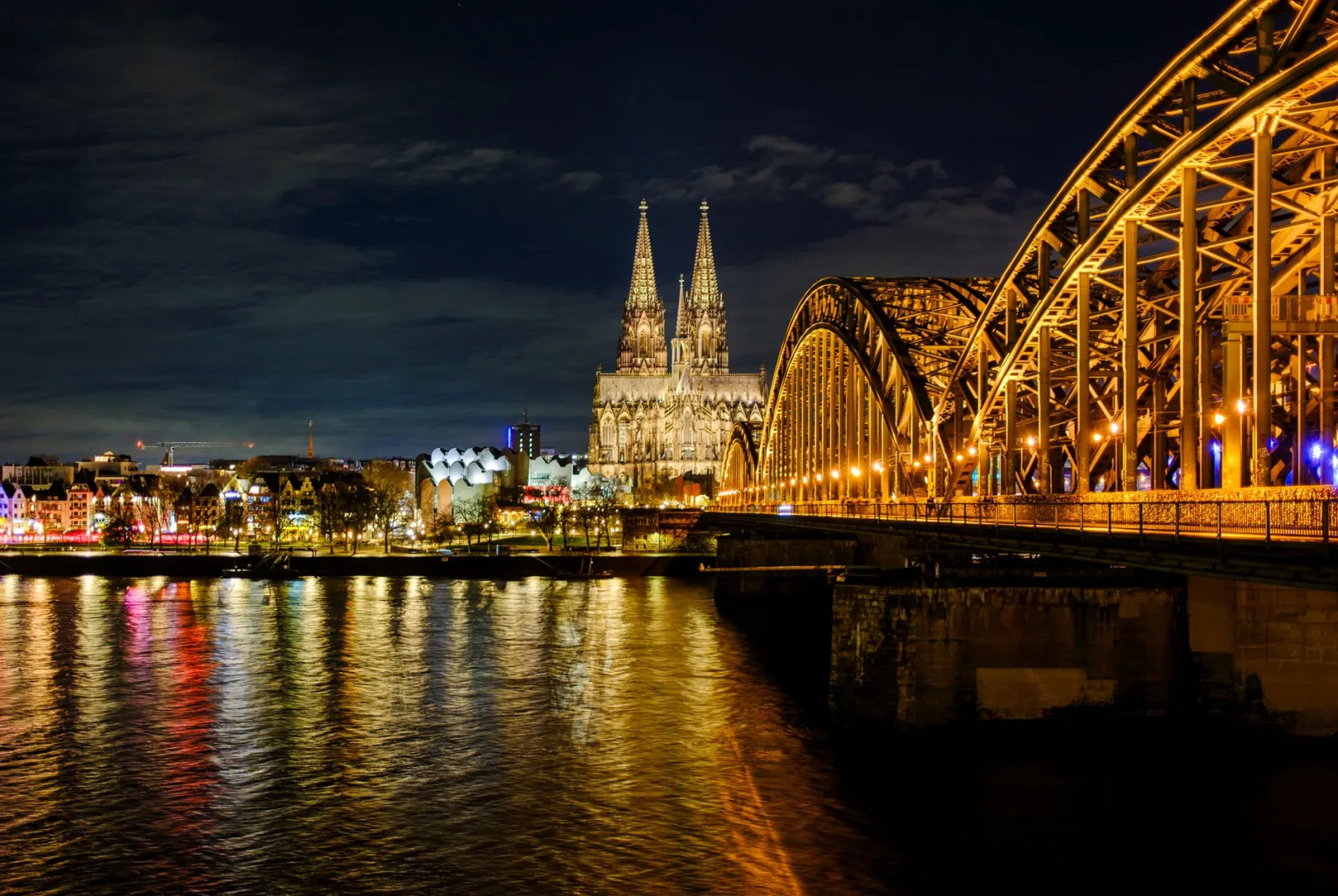
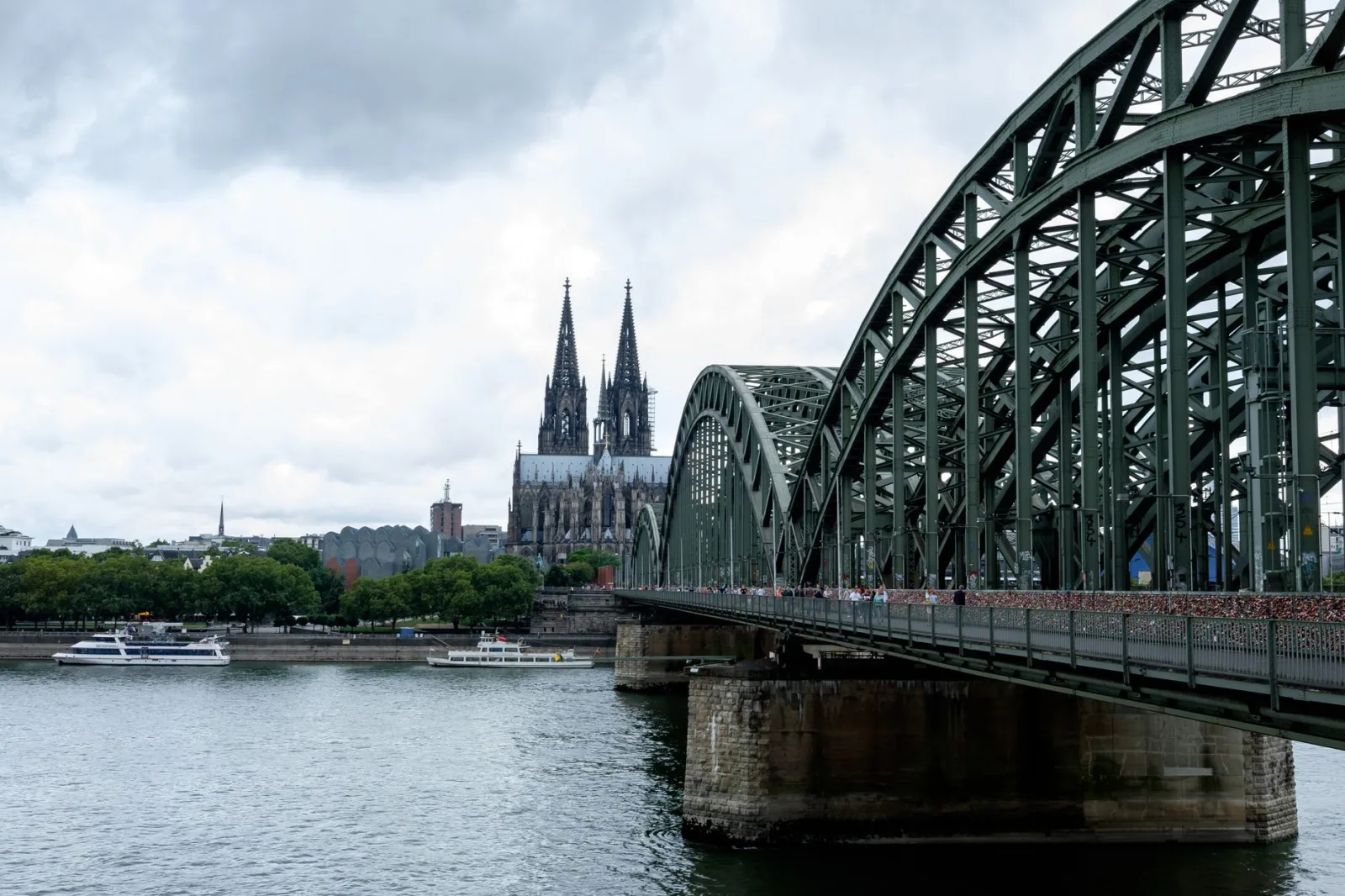
At the end of the afternoon, head down to the Fischmarkt and continue along the Rhine at a leisurely pace. This is the part of the day when the old town takes on a different meaning, with the reconstructed houses, St. Martin’s Church, and the open view of the river. If there is still daylight, it is worth crossing the Hohenzollernbrücke and looking at the old town from the other bank; if time is short, just make the crossing and head back without rushing to end the day again in the central area.
Editorial transparency: Some links on this page are affiliate links. We may earn a commission at no extra cost to you. This does not influence our recommendations.
Cologne Cathedral inside and out
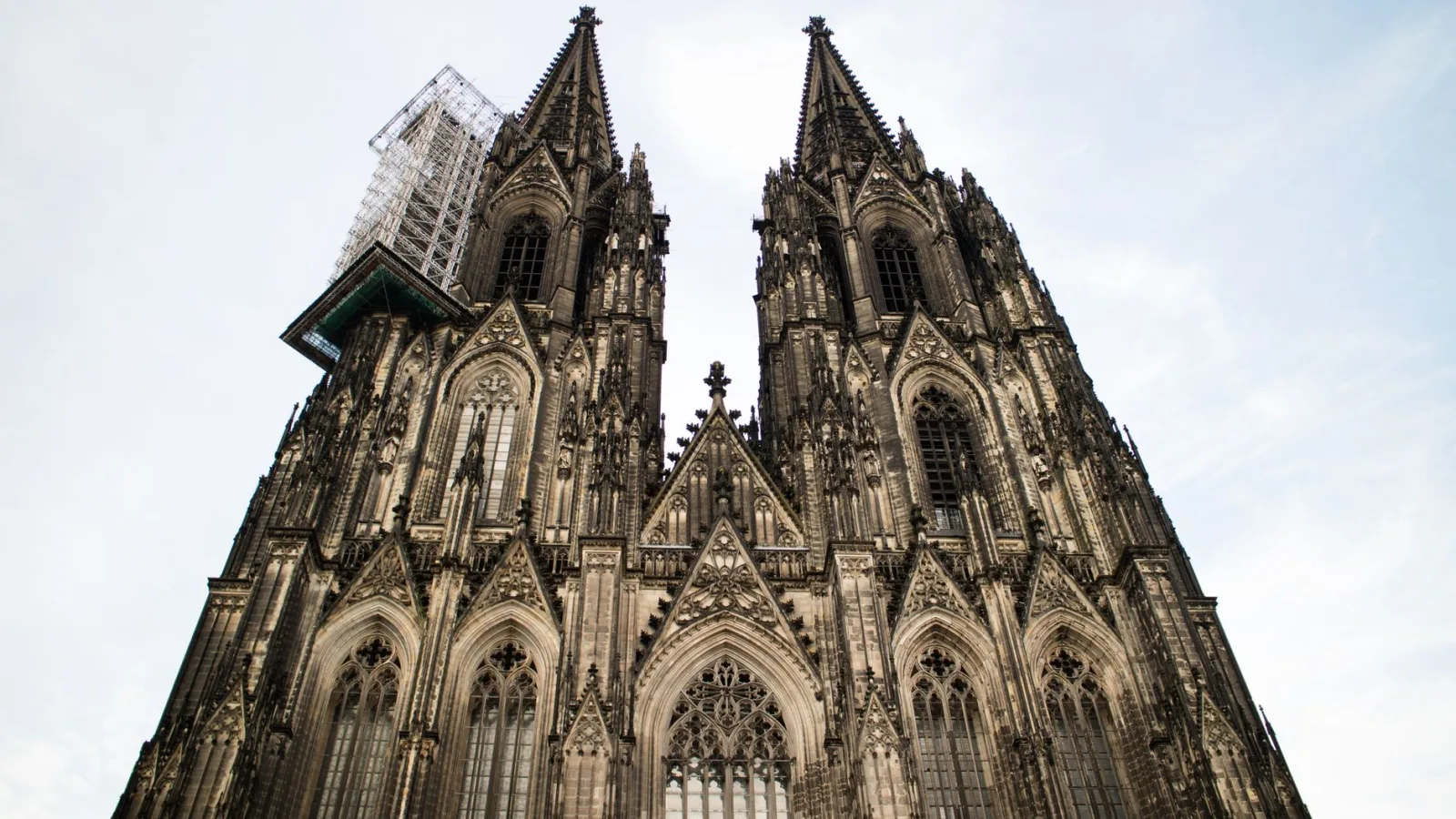
Kölner Dom allows visits to the interior without an entrance fee, and that alone already puts it at the center of the itinerary. Entry to the main nave is free, while climbing the tower and visiting the Treasury are paid separately. If you have little time, set aside at least half an hour to walk through the interior without rushing; if you want to observe the details calmly, you will need more.
Inside, what most captures attention are the stained-glass windows, the floor mosaics, and the volume of artworks spread throughout the space. The nave has a scale that changes the perception of anyone who enters, but the visit is worthwhile even when you lower your expectations to what is within sight: walking, stopping, looking up, and paying attention to the way light is drawn across the interior. The address is Domkloster 4, and opening hours vary throughout the week: Monday through Saturday, from 6:00 a.m. to 7:30 p.m., and on Sundays, from 1:00 p.m. to 4:30 p.m., with seasonal variations.
The history of the cathedral also helps explain what you are seeing. The cornerstone was laid in 1248, and construction was only completed in 1880, when the two towers reached about 157 meters. The building was originally linked to the relics of the Three Wise Men, which made Cologne an important pilgrimage destination in Europe. For those who want to climb the tower or visit the Treasury, it is worth checking the ticket and updated hours in advance, because these items change and are not part of the free admission.
Museums next to the Cathedral: which one to choose for your itinerary
The Museum Ludwig works best for those who want to fit modern art into the same day as the Cathedral. A quick visit usually takes between 45 minutes and 1 hour, which helps when the itinerary is tight. The museum is open Tuesday to Sunday, from 10:00 to 18:00, and admission costs €11, with a 20% discount for those using the KölnCard. The collection emphasizes pop art, Picasso, German expressionism, Russian avant-garde, and photography, so it makes more sense if that repertoire is at the top of your interests.
The Römisch-Germanisches-Museum serves a different profile: those who prefer archaeology and Cologne’s Roman past. It is the most natural choice for anyone who wants to leave the cathedral visit with a more ancient historical sense of the city, rather than move on to 20th- and 21st-century art. For a short itinerary, it usually calls for a more straightforward decision: go in only if that historical focus is really what you want to see that day, because the idea here is to avoid repeating themes or spending time in a museum that doesn’t connect with your main interest.
If there is room for only one museum on the day, choose a theme and move on. If there is some flexibility to extend the itinerary, the Museum Ludwig usually fits better into a compact morning; the Römisch-Germanisches-Museum suits those who want the museum part to be more focused on ancient history. In both cases, it is worth checking the current hours before going, because opening times and ticket offices may change.
Squares of the Old Town: Alter Markt and Heumarkt
Alter Markt concentrates the oldest and most administrative side of the historic center. It is home to Cologne’s old city hall, with its Renaissance facade and the tower that for a long time dominated the city’s skyline. In the middle of the square, the Jan von Werth fountain marks the space without competing with the surrounding buildings.
Just a few steps away, Heumarkt has a more everyday and nightlife-oriented use. The square is home to the equestrian statue of Friedrich Wilhelm III of Prussia and concentrates bars and restaurants along its edges and in the narrow streets around it. It is a stretch where the atmosphere changes throughout the day: more foot traffic at lunch, more occupied tables and people standing at the counters in the early evening.
The two squares take on a different character during periods such as Carnival and the Christmas markets. Their wide layout makes temporary installations, stalls, and seasonal decorations easier, so the atmosphere is more filled with pedestrian flow and points of sale than with regular traffic. If your trip falls on these dates, it is worth stopping by without rushing, because the space works differently from the rest of the year.
Between Alter Markt and Heumarkt, the best use of time is to walk through the short alleys that connect them, look at the facade of the old city hall, and choose where to stop only after seeing the movement. It is the part of the route where the city calls for less movement and more observation.
Walk along the Rhine riverbank, Fischmarkt and Hohenzollern Bridge
The walk around the Fischmarkt area works best without a rigid itinerary. This is the part where the Rhine really becomes part of the visit: the riverbank opens up the landscape, the reconstructed buildings appear aligned along the water, and the pace slows down enough for you to look at the city more calmly. The historic houses in the area were rebuilt following the original plans after the destruction of World War II, so what you see today is not a new setting, but a faithful reconstruction of what once stood in that stretch.
St. Martin’s Church is worth a stop both outside and inside. The bulk of the building stands out well in the Fischmarkt ensemble and helps orient the walk, but the visit only really makes sense when you go inside and compare the scale of the interior with the exterior appearance. If time is short, it is worth at least taking a leisurely look at it before continuing along the riverbank.
The Hohenzollernbrücke usually offers the best experience late in the afternoon, when the light is lower and pedestrian traffic is more comfortable for crossing. On the other side, the view of the historic center rewards the walk: the sequence of towers, the waterfront, and the Fischmarkt area appear together, without the fragmented view you get from the opposite bank. If the idea is to take photos, the crossing works best before dark; if you are just observing, walk to the middle of the bridge and return at your own pace.
Where to fit the Chocolate Museum and the boat tour
The Schokoladenmuseum fits well into the itinerary when you want to make room for a slower visit around the Rhine. The visit usually takes between 40 minutes and 1 hour, and admission starts at €12.50. The museum is open Tuesday through Sunday, from 10:00 to 18:00, and closed on Mondays. Since opening hours and prices can change, it’s worth confirming before going, especially if you’re fitting the visit in on the same day as the cathedral and the squares of the old town center.
It makes more sense on the first day if you’re putting together a 2-day itinerary and want to fill the afternoon without making the walking too rushed. On a single day, it competes with the city’s more essential sights, so it only pays off if chocolate is among your travel priorities. Its location on the banks of the Rhine helps you fit the visit in sequence with the riverside stretch and the historic center area.
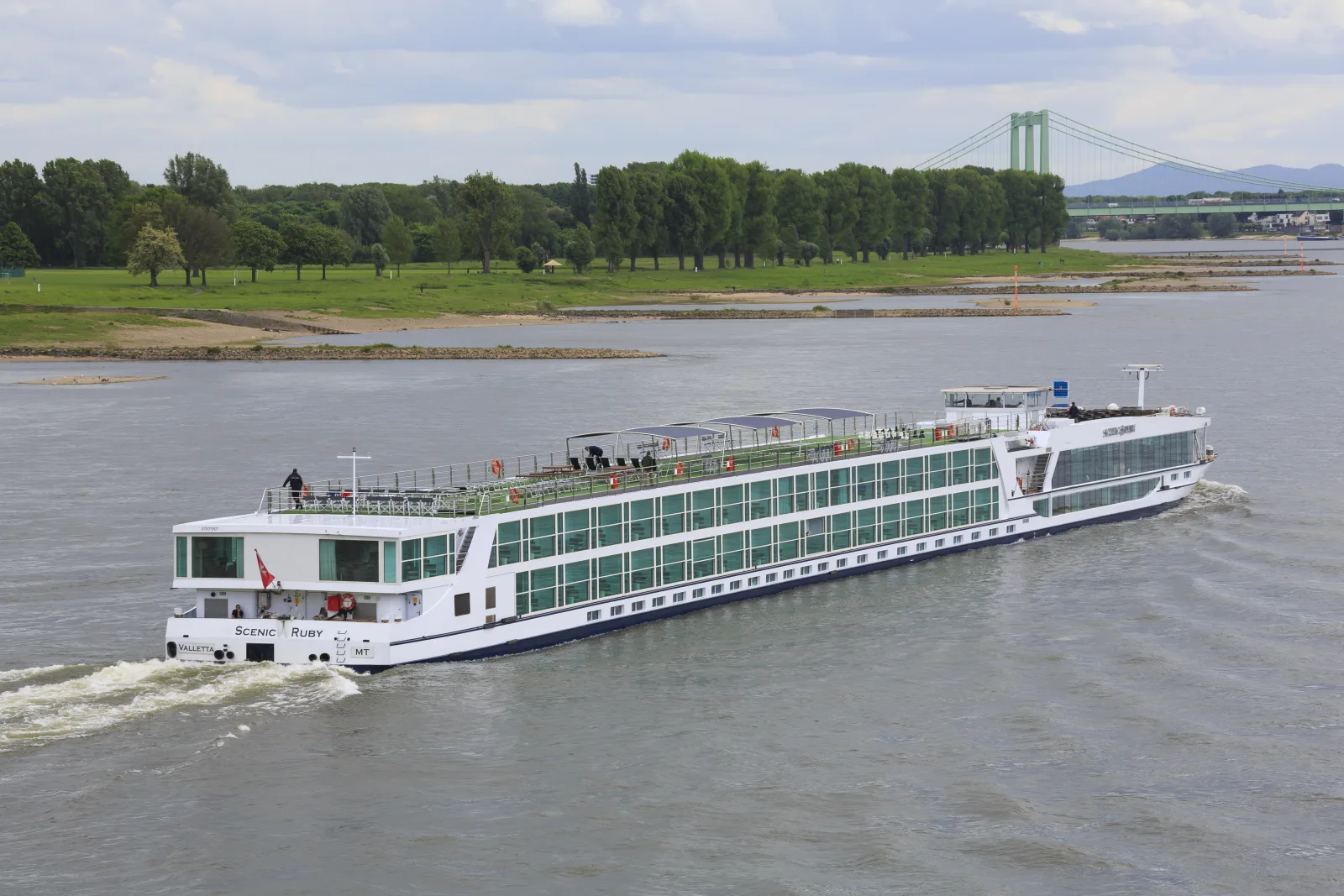
The Köln-Dusseldorfer (KD) boat tour works as a pace-changing complement, not as the main attraction of the itinerary. The logistics depend on the type of cruise and departure time, so the best approach is to check the current schedule before planning on it for the day. In general, it fits well when you want a seated break between walking blocks, especially if you have time to see the city from the river rather than just from the bank.
If you only have 1 day, the boat usually means cutting something else from the itinerary; with 2 days, it becomes a more comfortable option for filling an early evening without rushing. The most useful rule is simple: choose the chocolate museum if the idea is a short indoor visit, and the cruise if you’d rather trade an hour in a museum for a broader view of Cologne’s landscape from the Rhine.
How to end the day with Kölsch and old town pubs
The Kölsch Crew tour works as a guided bar crawl, designed for those who want to understand the local beer without turning the night into a marathon. The activity lasts about 2 hours and 30 minutes, goes through 5 bars, and includes 3 Kölsch along the way. It’s the kind of plan that makes the most sense when you want to get into the rhythm of the bars in the old town with someone who knows the area and understands how service works in each place.
Kölsch is Cologne’s typical beer: pale, light-bodied, served very cold, and in small glasses, which encourages frequent orders. It appears in the Brauhaus, the city’s traditional breweries, usually with their own dining room, communal tables, and a more straightforward service style. If you’ve never been to a Brauhaus, expect an atmosphere that mixes bar and restaurant, with local food on the menu and a steady flow of people coming and going throughout the night.
The tour itinerary usually favors bars in the old town, so the walk between stops tends to be short. That helps those who want to observe the difference between places more oriented toward locals, groups of friends, and passing visitors. If the idea is just to have a Kölsch in one place, the tour may feel like too much; if you want to compare venues and understand why the drink is so closely associated with the city, it fits well at the end of the day.
For those who prefer to go on their own, the route is the same: go into a Brauhaus, order a Kölsch, and observe the pace of the place. Just be sure to confirm opening hours on the day and whether a reservation is needed, because that changes from one place to another.
What to include on the second day in Cologne
The second day is meant to move beyond the most obvious circuit without turning into an attraction marathon. If your visit to Cologne is short, the best approach is to trade part of the Old Town for museums that deepen your understanding of the city from another angle, instead of repeating squares, churches, and the riverside.
The NS Documentation Centre, at the EL-DE Haus, is the most important stop for anyone who wants to understand Cologne during the Nazi period and the postwar years. The building serves as a documentation center and memorial, focusing on the history of persecution, repression, and urban life under the regime. It is a place that calls for time and attention, more than a rushed visit. If this theme fits your itinerary, it works better as a second-day priority than as a last-minute add-on. Opening hours and any admission conditions should be checked before you go.
Beyond that, it is worth looking at other historical museums in the city, instead of repeating attractions similar to those of the first day. The choice depends on the angle you want to give your trip: Roman past, city history, twentieth-century memory. If you want to keep a lighter pace, choose just one museum and leave the rest of the day to walk through less obvious areas of the center, without returning to the same spots you have already seen. If you prefer, the second day can also be used to combine a museum visit with neighborhoods and streets off the most touristy axis, adapting the itinerary to the time you actually have left.
Frequently asked questions
How much time do I need to visit Cologne’s old town?
With 1 day, you can see the Cathedral, choose a museum, stop by Alter Markt and Heumarkt, and walk along the Rhine riverbank. With 2 days, the itinerary becomes more comfortable and still allows you to include the Chocolate Museum, a cruise, or the NS Documentation Centre.
Which museum should I choose next to Cologne Cathedral?
Museum Ludwig is best for those who want modern art and photography. The Römisch-Germanisches-Museum makes more sense for those who prefer archaeology and Roman history.
Is admission to Cologne Cathedral free?
Entry to the main nave is free. The climb to the tower and the visit to the Treasury are charged separately.
Where is the best starting point for an itinerary in Cologne?
Köln Hauptbahnhof is the most practical starting point, because it is right in front of Cologne Cathedral. From the station, you can walk to the main attractions in the old town.
Is it worth including the Chocolate Museum in the itinerary?
It is more worthwhile on a 2-day itinerary, or if chocolate is among your priorities. In a single day, it may compete with the most essential attractions in the old town.